NOVEMBER 2022

UNWELCOME VISITORS

Ann Henderson

Sheffield in the nineties, and nobody was having it easy. On the big estates, even the rent collectors hunted in pairs. They knew better than to bother calling on weekdays, when everybody – except tiny children and visiting grannies – was apparently at work, though it was odd that not one of them seemed to get paid enough to cover the rent. Sundays also were useless as rent-payers were of course ‘in church’, though the churches stood silent and empty – one of them even boarded up – while the lunchtime pubs throbbed with cheerful life.

Saturday was rent day.

Duggie and Phil sighed resignedly as their car slowed and stopped in Dexter Square – named for the nineteenth century philanthropist who had cut the ribbon to open this ‘haven for decent working families’, according to the plaque on a nearby wall. Naturally, the entire area was now owned by private businesses. The two men sighed in concert as they reluctantly picked up their cheap briefcases and relinquished the comfort of the warm car.

As usual, there was some old biddy out scrubbing her step. Doorstep cleanliness was apparently the nearest this dump came to godliness, thought Duggie, as the crone banged down her bucket, spreading disgustingly filthy water everywhere, before embarking on a fresh spot.

Phil and Duggie opted for a gentle start and knocked first at the Watkins’ door, where they usually had no problem getting the money.

Not this time.

Young Mrs Watkins opened up promptly enough, standing there as usual in her clean, faded pinny on her clean, peeling lino with one arm around a moderately clean toddler who gazed at them in silence, clutching his mother’s pinny with one hand while the thumb of the other was wedged in his mouth, the forefinger of that hand exploring the inside of his nostril.

Mrs Watkins was not however her usual smiling self. She was always thin and pale, but now her face was even paler than usual and blotched by tears. She started to speak before they had even made their request or produced the rent book.

“I’m so, so sorry,” she said, obviously trying hard not to start crying again. “We had the money all ready for you but then Laura – Billy’s big sister,” she explained, nodding down at the toddler, “- she came home from school last week and her school shoes had got so much too small for her that her heels had blistered and one of them was bleeding. We just couldn’t send her to school like that any more, so Dan – that’s Mr Watkins – said we just had to get her what she needed and he’d work overtime till we’d made up the rent.

“I can give you what’s left of it now,” she went on, as the two men were silent. “I have separate tins in the sideboard – for the rent and the dinner money and the insurance and the milkman – all the things you’ve really got to pay, you know – but it just didn’t work this time.”

“My mam always had those tins as well,” said Phil. Usually he felt sorry for himself on these miserable Saturday trips, but right now he felt even sorrier for her. “Trouble is, love, you need one more tin, to keep a bit back for emergencies like stuff for children.”

Jenny Wilson nodded sorrowfully. She knew, even if he didn’t, how little was left once those demanding little tins had been fed on payday.

“The other thing is,” said Phil, whose mother’s feelings on that subject had been very like those of Jenny Watkins, “you need to find other ways to do things sometimes. Kids are always growing out of shoes, and if there’s no other child to pass them down to, they go to the charity shop. Have you tried looking in there?”

Jenny shook her head, but she stood a bit straighter and Phil correctly interpreted the shift in stance as an indicator of pride. She didn’t want to see herself as the kind of person who needed ‘charity’, even though she clearly did.

“There’s nothing wrong with it,” said Phil urgently. Good stuff just gets wasted otherwise. And if school shoes need to be plain black or brown,” he added shrewdly, “you can dye them. Cobblers sell shoe dye and it works really well if you’re careful – covers up the odd scuff mark too. That and a new pair of laces and you’re on your way. Think about it,” he added. “Kids will never remember where their shoes came from but they might remember about ways to keep out of debt.”

Finally Jenny Watkins smiled a bit. “Thank you,” she said, politely addressing both men even though it was only Phil who’d spoken. “I was dreading you coming, but you’ve been really helpful. I’ll have the money next time, I promise.”

“Proper little social worker, you,” sneered Duggie as they headed for the next house.

“Oh, come on,” said Phil. “I’ll bet you anything she doesn’t slip up again.”

Duggie just grunted, and they headed for Number 8, which was always hard work.

Never any aggression here – unlike some places they had to go – but slithery as you like. They’d taken to noting down some of the more unlikely stories to entertain the blokes back at the office.

Sadly, Duggie’s favourite – the one about the dog that ate Mr Langstaff’s pay packet on the way home – turned out to be true, with police records and chewed remnants to prove it. Not so the one about his short-sighted old mum lighting the fire with the rent money, or the hole in his running shorts that resulted in money and coins scattered through local woodland when he did a heroic charity run immediately after work. (“I couldn’t leave the cash behind in the workshop, could I now? You wouldn’t, would you? Stands to reason; you never know who’s about, nowadays – know what I mean?”)

But this time was different. As so often, Geoff and Irene Langstaff had gathered together sufficient money to pay the rent, looked sadly at it and decided there were better uses to which it could be put. These had been known to include in the past a near-certain bet on a horse that almost couldn’t lose, a mate’s son’s Christening party held in the local pub, and an outfit for Irene to wear at her sister’s (third) wedding.

Today it was something else. Today was Irene’s birthday – and surely to goodness, a man should be able to treat his wife on her birthday. As they wavered, looking at the money, their son came in.

They had sometimes wondered whether they had done right by their Derek. They had been genuinely delighted when their bright little lad had been offered a place at the local grammar school and they had made some sacrifices to ensure that he could attend, and could have the right equipment so as not to stand out against the others.

They had been slightly surprised at how easily he took to the life there and at how well he had done. What they had not anticipated was that it would change him.

The bright, cheeky little boy they had been so proud of had become a much more sober and responsible person than they had either expected or desired. His affection for his parents was undiminished, but they were well aware that Derek would never use the rent money to splurge on a treat. He just wasn’t as much fun as he used to be.

He’d gained a university place and a grant to get there, but he was on vacation at the moment and working all hours – including overnight – to make enough money to keep him for the following term. When he came in, however, he was smiling – even after a grim night in the local chicken sheds – and wielding a large bunch of flowers.

“Happy birthday, World’s Best Mother,” he said. He glanced down at the pile of cash on the table. “That the rent money?” he said shrewdly. “The men are outside. I’ll let them have it. And then,” he said firmly, “you can get your glad rags on, Mum. We’re all on the town tonight – my treat.”

Derek was not stupid. He well knew he left the rent men and his parents equally stunned that day.

His feckless father wasn’t stupid either. He watched that decided young man stride out to deliver the rent and then caught his wife’s eye. “He’ll do,” he said, and smiled.

Phil and Duggie, shaking their heads to clear the fog of disbelief, moved on to what Duggie referred to as ‘No Hope Hotel’. They would have been amazed to get any response except a firmly shut door at Number 17.

Nevertheless, they knocked and waited and knocked again, more loudly. Eventually, Phil kneeled down, pushed open the letter-box flap and called through it, “Hello! Anybody home?”

Most times, they got no response at all. This time, Phil reared back in surprise as a child’s voice answered them.

“Who’s there?” it said.

“My name’s Phil and I need to speak to your parents. Can you open the door, please.”

Inside, the parents in question were looking in helpless amazement and a good deal of alarm at the conduct of their errant daughter. Their usual technique was to be well clear of the house, bolt and chain in place, before the rent men came calling. Failing that, they kept out of sight and very quiet. What was the stupid girl playing at?

The stupid girl in question was smiling, and sounding like a very much younger child.

“My name’s Cynthia,” she said.

“Well, Cynthia, we need you to open the door for us. Can you do that?”

“No, I can’t,” came the breathy little voice through the letter-box. “The policeman said if I’m on my own and strange men want to come in, I have to keep the door locked and I have to ring this number he gave me.”

Phil practically fell over in his haste to back away from the letter-box. Clutching their briefcases, they headed for the car.

Indoors, Cynthia’s parents executed a hi-five of mutual congratulation at their skill and good fortune in raising such an unexpectedly clever daughter. “Our Cynthia’s an actress,” her father gurgled with glee. Her mother was laughing so hard she could scarcely speak. “I just wish they could have seen her,” she gasped.

Certainly they would have been startled had they been able to do so. Cynthia was certainly young, but not nearly as young as she had made herself sound, and her position on the hall floor, with her mouth to the letter-box, did nothing to hide the advanced stage of her pregnancy.

Duggie spat in disgust before getting into the car. “All the same, this lot!” he snarled.

He was not entirely right, but certainly there was some sense of community among the wildly assorted inhabitants of the square.

As the car disappeared round the corner, old Mrs Dexter – a distant descendent of the man named on the plaque – got stiffly to her feet and emptied her dirty water down the outside drain, banging the brush a couple of times against the metal sides of the bucket as though to clear the bristles.

At that welcome ‘All Clear’, front doors began to open again, and Dexter Square relaxed into Saturday evening.

UNWANTED GUESTS

Jan Hare

My grandfather was wonderful, always cheerful, patient, always had time to play with me, always there to listen. I was an only child and spent a lot of time on my own, his company meant the world to me. He was full of stories. One day I was staying with my grandparents, Mum and Dad were away on a night out or something, I was about 10. It was around this time of the year. A time when the days shorten and the nights lengthen into winter. We’d walked down to the park and round the wood, looking for conkers. Grandpa seemed distant, not his usual self. I asked him and he said he wasn’t feeling very well. We got back early and sat by the fire, Grandma was in the kitchen cooking. He pulled me close to his knees, looked down at me; a long, strange look I remember and started telling me this story, his voice was trembly, didn’t sound like him at all.

His father, my great grandfather, had been a seafaring man, sailing the high seas, travelling far and wide. On this particular day his ship ran into a storm

and all the ships in the area had pulled into a safe harbour to take refuge. His ship was one of the last to arrive. He decided to leave the ship and find accommodation in the town. He’d been tossed around for days and needed peace and calm and a good night’s sleep. He walked up the High Street to the place he usually found lodgings but it was full. Walked on to the next place but that too was full. Gradually his steps took him further out of the town into the dark areas. He’d had hardly any sleep in the last few stormy days and he was exhausted. He turned a corner and saw a sign ahead Rooms to Let. “Ah he thought this one must have space, there’s no-one else around.”

The rickety front gate was was hard to open. He knocked on the door. No answer. Knocked again. The door opened and he could see by the light of a dim candle a middle aged woman. “Have you a bed for the night, please.” She motioned him in, picked up the candle and led him along a dark passageway and down a flight of stairs to a basement room where there was one small window. She stood aside and motioned him in. There was a bed, a table, a chair, a washbasin. She left, shutting the door, leaving the candle.

He was so tired he just took off his boots, got into bed and fell sound asleep. It seemed only minutes before he was woken by the sound of groaning. A long low groan that turned his blood to ice. He leapt up and as he did he felt the shape of someone beside him. He stretched out his hand and felt the indent of someone lying there but there was no-one. Suddenly he felt acute pains in his stomach. Strong searing hunger pains as if he hadn’t eaten for days. But he knew he wasn’t hungry as he’d had a full meal before he left the ship. The pains were strong and he leapt out of bed and walked up and down to ease them. He tried the door. It was locked. He rattled the door. It was locked. He banged on the door. “Hello, can you hear me, come and help me.“ Nothing.

It was pitch dark. The groaning seemed to come from every corner of the room and he was terrified. He grabbed the blanket from the bed, wrapped it around him, sat in the chair, rocking to and fro trying to get some relief from the awful pains in his stomach.

When he woke from a fitful sleep, his hunger pains had gone. He could see a faint glimmer of light in the window. He put on his boots and coat and went to the door. It opened. In the passageway he saw that the house was in a dreadful state. Great holes in the floor and ceiling, the staircase collapsed. He hadn’t noticed it last night. He ran out into the street gulping the fresh air and looked back. The houses on either side were in good order but this one in the middle was completely dilapidated. The Rooms to Let sign had gone.

He ran. Ran to a shop at the end of the street, burst in and asked about the house. The customers shrugged, looked at each other, “No. 34?” That hasn’t been lived in for years, it’s derelict.” “But I stayed there last night. There was a landlady.” “You must be mistaken, no-one’s lived there for years. In fact there was a tragedy there nigh on 40 year ago. A woman, the wife, locked her husband in the basement and starved him to death. She was hanged for it. No one lives there now. ” He was struck dumb, could make no sense of anything and realised no-one would believe his story. He hurried back to his ship as fast as he could.

He thought he would be able to leave his memories behind him. That because he was safe all would be well. But that wasn’t the case. It preyed on his mind and he often had terrible dreams. Dreams of being locked in, feeling the sweat, hearing the cries, feeling the terrible terrible hunger. He would awake in total panic. The years passed and he told no-one. Not even his wife.

Grandpa paused, his eyes far far away. “My father told me this story just before he died. I never knew what happened to him, no-one would tell me, and I haven’t told a soul about this, except you. You’re the only one who’s heard it” he said.

I opened my mouth to ask him more. What happened to my great grandfather? Why was he telling me this story? But at that moment Grandma bustled in from the kitchen and the moment was lost. There wasn’t the chance to talk to him about it that evening or the following morning when my parents arrived early to collect me and we left.

Then, three days later, came the telephone call. Grandma. Telling us that Grandpa had passed away in the night. “How did he die?” “We don’t know”, she said. “What happened?”. “I don’t know. I just found him in the morning.”

Grandma put the phone down. She did know what happened to her husband.

She’d been woken in the night in her bedroom down the corridor by dreadful screams. As she hurried down the passageway, she heard her husband shouting “food, food, for God’s sake give me food” His door rattled and shook. She heard him slump to the floor. Her shaking hands grabbed the door handle. She tried the door which, in the 40 years they had lived in the house, had never had a key. The door wouldn’t move. It was locked.

She knew she had heard him die of fright. She didn’t know why, or how, but she also knew that she had to keep the events of that terrible night to herself. She must go to her grave with the secret. She mustn’t tell a living soul.

OCTOBER 2022

CONVERSATIONS ON A TRAIN

Ann Henderson

It was a long platform, but there was no question of choosing where to stand to await the train. At this point on the line, if you wanted to get on the morning commuter train at all, let alone have any faint hope of finding a seat, you waited at the very far end of the platform for the very worst carriage – the one that, at the other end of the journey, involved a long, long walk down the full length of the arrival platform, dodging catering trollies, Post Office vans, racks of parked bicycles and, almost always, at least one passenger who had somehow left behind their wallet, jacket, season ticket or umbrella and was causing minor chaos by struggling desperately against the tide of people all determined to make their way as fast as possible in the opposite direction through the exit barrier and on their way to work.

So they stood in silence awaiting the train. There was little attempt at conversation, though they did in a sense know one another by now. Most of them had never shared names, but they recognised one another by sight; knew who tended to sit where, supposing that there was any choice; knew who would have tea or coffee on the occasions when the refreshments trolley managed to reach them. One of the younger men had one morning turned up with a bag of croissants because it was his birthday, and there had been a pleasant, though temporary, feeling of community among the crumbs.

Sometimes there was a shared joke. One of the older passengers, as they passed the blackboard apologising once again for the late running of the train, had once gained friends by muttering, “You’d think by now they would at least have worked out how to spell ‘inconvenience’!” On another occasion, they had observed over a number of weeks the man who was steadily working his way through the original novel of GRR Martin’s Game of Thrones, the book tucked discreetly inside his open copy of The Times. There had been some speculation about what he would follow it with and there had been discreet glances, as he approached the end, by fellow passengers standing up to look for something on the luggage rack or sauntering by on their way to the toilet. One finale they had not anticipated: the day after he finished the book, even though it was mid-week, he was not to be seen on the platform and he never came back. Interpretations ranged from, “He just couldn’t go on without it,” to, “Everybody dies – even the readers!”

The approach of the train caused no particular rush to pick up briefcases; there was a lot of train to go, the first class carriages always at the front to deliver their expensive cargo in the optimal location for smooth egress from the platform and an advantageous position in the queue at the taxi rank. There was no need for the ‘last carriage’ gang to stir themselves until the train slowed and the very last door cleared the end of the platform.

Regulars, of course, were not the only people on the train – even in the end carriage – and on this particular morning they were joined at the last minute by a very sharply dressed woman. A few eyebrows were raised at the efficiency with which she exploited their good manners to ensure that she was the first to enter the train and to commandeer one of the few table seats still available. By the time the doors slid shut on the last man to get on board, she was comfortably settled, phone and laptop at the ready.

For a short time there were the shuffling sounds of overcoats arriving on overhead racks, files and newspapers emerging from briefcases, pens and phones being located and laptops connected. Then there was silence, more or less, as people applied themselves to their tasks.

The spell of quietness was soon interrupted, however, by a voice. Interestingly, although nobody in the carriage had heard this voice before, they all glanced automatically – and correctly – at the woman who had joined them on the platform. On entering the train she had first checked the messages on her laptop and then, as soon as the train was clear of the station, picked up her phone.

“Oh, darling,” she purred, “are you OK? You didn’t get back last night and you had sounded just a teensy bit troubled about that meeting, so I just did wonder…”

One or two people paused, fingers over keys, and a couple of others folded back the pages of their newspapers to survey the speaker. Watching her face as she listened to the response on her phone, they saw her eyes momentarily close as her lips formed an exaggerated, silent and very recognisable, “Ohhh – Sshhit!”

Her voice however was just as smooth, assured, perhaps slightly amused, as it had been before, as she continued, “Ah, well, you see, darling, that’s the other reason I’m calling. I’m terribly, terribly sorry, but I really can’t be with you this evening. I know I said I’d join you, but something has just this second come in from work – you know how it is – and I really can’t not be there tonight. Things have been in such a tense state since the MD took off like that and there have been some very odd mutterings. This weird ‘social’ event has just come out of the blue, with everybody expected to attend, apparently.”

The eyes of the carriage, especially the female ones, were now on her clothing. What had seemed perhaps just slightly OTT for a day at work fitted perfectly in the more expensive ‘Office-to-party’ category. And she had arrived wearing it – long before she checked her messages.

Then, as they watched her, fascinated, her face changed. From looking confident, even slightly smug, her expression shifted to one of alarm verging on panic.

“Oh no, darling!” she gasped. “You mustn’t come. You’d really, really hate it.

It will probably go on for simply ages and you know you don’t like any of my office friends.”

By this time all pretence at work was in a state of suspended animation in the end carriage. Proofs sat there uncorrected; urgent messages remained unsent; book-marks fell from between the pages and slid unnoticed to the unreachable area of grubby floor between the seats and the window. Only the newspapers had resumed their original positions, shielding from view the broad grins on the faces of the people who held them.

“No, it will be OK. I’ll not need a lift, but bless you, darling, for offering. If it gets too late I’m sure Sandra will give me a bed for the night and if so I’ll see you tomorrow,” concluded that end of the call.

“Lying little bitch,” said her husband in the comfort and relative privacy of the carriage at the front of the train, “is off on the razzle tonight – and all night, apparently. Seems too good a chance to miss, don’t you think? How do you fancy the opera? I have courtesy tickets for La Boheme…

He smiled while listening to the response.

“I don’t feel any special urgency about getting home,” he replied, “and I suspect it might not be home for much longer. Make me an offer.”

In the home to which neither of them planned an immediate return, their hacker-adept teenage son, well acquainted with both of his parents’ phones, texted his current inamorata: “Both old goats grazing elsewhere tonight. Plenty of food and drink here. Come over.”

CONVERSATION ON A TRAIN

Jan Hare

The train pulled out of Liskeard station as the two women were trying to locate their seats. The train was full and it was difficult to squeeze past the people already standing in the aisles. Fortunately their reserved seats were empty and they hoisted their bags into the luggage rack and sat down facing each other with smiles of relief.

They were both attractive women. One tall and dark haired, the other shorter with a mane of auburn hair that framed a pale complexion with a hint of freckles and intense blue eyes, belying her Irish origins. Each envied the other their good looks. Dark haired Marion was in no doubt that her friend was far more attractive than she was. Sally would have loved her friend’s willowy figure and distinctive style. On their own each would turn heads, together they made a startling pair. They were both 29 and had met while studying at Exeter Uni, their friendship growing steadily over the intervening years. Marion was a junior partner in a solicitors office in St. Austell and Sally had set up a photography studio in Liskeard. They each rented flats near their work.

It was dusk on an early November Friday afternoon – a time of wonderful sunsets and tonight was no exception. Marion sat facing the rear of the train with a mesmerising sight of the setting sun. Anyone looking at her would think she was wrapped up in the view but in truth she hardly noticed it. Sally, with her view to the east across open fields and river estuaries, also gazed out of the window, busy with her own thoughts. They were on their way to London for a friend’s 30th birthday party and Sally would be meeting up with her boyfriend, Paul, it just couldn’t be better as far as she was concerned.

Marion was well aware of Sally’s excitement at the prospect of the weekend ahead. She would give anything to feel the same.

The train sped east. It was soon dark and with it came that odd feeling of being isolated in another world, propelled into the unknown with strangers. Instead of distant views, the windows became mirrors revealing reflections of fellow travellers. Sally loved this, loved travelling by train at night, loved the feeling of being cocooned, of being entirely in some else’s hands. Loved the buzz of conversation, the laughter, even the crisp eaters were tolerated. She settled back in her seat contentedly. Marion, or Maz as she called her, was reading and she had the opportunity to study her friend’s face. Maz hadn’t been her usual self for a few weeks. She was looking worried and preoccupied. Marion looked up, smiling as she saw Sally looking at her and made some jocular remark but Sally wasn’t fooled. Maybe her business isn’t going so well and she’s been working too hard. Never mind, she thought, the coming weekend will be just what the doctor ordered. They hadn’t spent much time together recently and she was hoping they would have some space at the weekend. Pity the train was so crowded and noisy, they could have had a good chat on the journey. Her friend obviously had a problem but this wasn’t the place to ask her about it.

Marion’s magazine was a blur in front of her troubled mind. Sally was right, she did have a problem. A big problem and it was sitting opposite her in the shape of her dearest friend. She was dreading the weekend.

It was about a man of course. No prizes for guessing that, or that the man concerned was Sally’s boyfriend, Paul. He and Sally had been going out for about a year and, to their delight, it hadn’t changed their friendship at all. Paul, with his friendly, generous, easy manner, respected their deep friendship and fitted in as if he’d been there all the time. Sally had fallen deeply in love with him and to Marion he was like the older brother she didn’t have. She was completely at ease in their company – or had been.

Everything had changed five weeks ago when Sally went up to Birmingham for a week to exhibit her photographs at the NEC. Marion came home from work one evening to find Paul waiting for her. She was pleased to see him and they opened a bottle of wine and chatted in their usual way as they made supper. Paul obviously had something on his mind and she waited until he felt he wanted to talk. Marion has thought about this conversation many many times since it happened and is sure that what Paul said came as a total surprise to her. He said, quite simply, that he had been aware for some time that his feelings for her were greater than those he had for Sally. “I’m in love with you” he said. Marion remembered his troubled awkward face as he told her and the cold feeling of disbelief and panic that gripped her as she listened to his words. She said nothing. She couldn’t. Paul touched her hand briefly, stood up, placed a kiss on top of her head and left.

Marion had sat for a long time thinking, realising the implications and yet acknowledging the feelings his words had brought. She had known since the start of his relationship with Marion that Paul was as close to her ideal man as anyone she had ever met. She had never allowed these thoughts to be anything other than daydreams and examined her behaviour closely, trying to see whether she had given any hint of this to Paul. She thought not.

She’d fallen into uneasy sleep and woke feeling even more troubled. She admitted to herself that, as horrified as she was by his words, she was equally as thrilled. She decided to do nothing, wait and see what Paul would do. He may already regret his outburst and decide to forget it happened. Two slow days passed until, coming home, Marion again found Paul on her doorstep. Marion opened the door and inside they simply clung together, neither saying a word but each intensely aware of the boundary they were crossing. In her bedroom they tore the clothes from each other in the grip of a passion new to both of them. Any thoughts of wrongdoing would come later. For that brief time, the joy of sharing love was paramount, nothing else mattered in the world.

Since then they had spoken only briefly until last week. Paul, knowing they would see each other in London at the weekend, voiced the inevitable question. “What are we going to do? I have to tell Sally.” He told her he would be leaving Sally after the weekend and she knew he wouldn’t lie to Sally, give her some brush off line. Marion felt events were rushing her along. She wanted to shout STOP there must be some way round this that won’t hurt Sally. But of course there wasn’t.

The thought crept into her head that Paul had handled this badly. He should have waited, ignored what he felt. Ended his relationship with Sally and then reconsidered.

Had Sally any idea of what had happened Marion wondered. She had given this much thought and searched for signs, hesitations, doubts, suspicion when they met. Marion thought not. Sally was obliviously happy.

Could she herself be sure of what was happening? She tried to think about him dispassionately, examining his ways and personality. Going over and over what she knew about him, forcing her thoughts to be objective. Wanting to find him a pleasure seeker, a philanderer, a casual opportunist. But she knew he wasn’t. Or did she?

Sally got up “just off to the loo, she said, want some coffee Maz?” “Yes please, Sally, thanks.” After she left Marion looked at the empty seat opposite and the image crystallised her guilt. That’s what it’s going to be like. No Sally, only an achingly empty space. The tears that were never far away sprung to her eyes.

LAST TRAIN TO BRIGHTON

Ronnie Puttock

“Hurry up, sir!“ called the guard, as I raced through the ticket barrier. He had his green flag in hand ready to signal the driver to start the day’s last train to Brighton. I grabbed the nearest carriage door and no sooner had I sat down than the train glided away and I heard the guard slam his compartment door. I settled down to read for the hour or so of the journey. It was a Sunday night and I was going back home after staying the weekend with my girlfriend in London, something that I’d do as often as our universities’ timetables and course work allowed.

Sometime after the stop at East Croydon, I became aware of a movement in the corridor. I was in one of those old-style carriages that had a side corridor and separate compartments with a sliding door. It was the guard and I took no further notice. A short while later he came back and I assumed he’s been checking tickets, or something. However, it must have been no more than a minute later that he passed my door again, only this time he returned almost immediately. The train was travelling normally through the night and so, again, I assumed the guard was carrying out his routine duties. I turned back to my book but seconds later there was a knock on the compartment door and the guard slid it open.

“Sorry to bother you, sir,“ he said, “but are you for Brighton?”

“Yes,“ I replied, somewhat puzzled.

“I thought so, sir,“ and he came into the compartment and sat down opposite me. “I recognised you. You often get on this train, don’t you?”

“Yes, I do,“ I replied.

“I’ve been doing this shift for many years,“ the guard continued, “and I’ve got to know the faces of all my regular passengers.”

“Yes, I expect you have,“ I said, beginning to feel a bit uneasy, as I didn’t think this was normal guard behaviour and wished he would go away. But he carried on.

“It’s my last day,” he said. “This is my last run, I retire today.”

“Oh,“ I said, trying to sound uninterested and hoping that my tone would get rid of him.

“I’m sixty-five tomorrow,“ he said, carrying on either ignoring, or, not taking, my hint. “And earlier this year I clocked up fifty years on the line.”

I resigned to the fact that he wasn’t going anywhere soon.

“A lot different now, I imagine,“ I said. “You must have seen a lot of changes.” Immediately I realised what an inane comment that was. Of course he would have witnessed loads of changes.

“Yes. I’ve enjoyed working here.” And he looked all around the compartment and then out into the darkness where the lights of houses and streets sped by. Then adding, as if speaking his thoughts out loud, “They’ve been my family, really, and I don’t know what I’m going to do without them.”

Then it occurred to me that all the time he had been acting rather agitatedly. He’d get out his old-fashioned pocket watch, glance at it and then put it away in his fob pocket only to take it out again a short time later. He was also rubbing his hands on his thighs as if he was cold, though the compartment was comfortably warm. My uneasiness grew and I wondered if I should make an excuse and move to another part of the train where other people were.

“Are you superstitious?” he suddenly asked.

“A bit, I suppose,” I replied, somewhat startled by the question and the abruptness in which it was asked.

“Do you believe in ghosts?” he went on.

Then the train started to slow down.

“Ah, Gatwick Airport,” he said. “I’d better go back to work.”

He left and, again, I thought about moving. Should I, or shouldn’t I? If I did, it would be obvious I was trying to avoid him and it would look rude. But, on the other hand, he was retiring and I’d never see him again.

However, I left it too late to make up my mind. The train started off and he returned to my compartment but this time, didn’t sit down. He stood there checking his watch again and looking around him. Then he got out his handkerchief, wiped his hands and forehead.

“Are you alright?” I asked.

He certainly looked very nervous about something. He jerked his head round towards me as if he was unaware of my presence and I’d jolted him out of a reverie.

“Oh, what?” he started. “Yes, sorry, yes I’m alright.”

He paused, took a deep breath as if to calm himself and sat down.

“We old railwaymen can be rather superstitious at times,” he explained.

“Really?” I said.

“We’re coming up to Balcombe Tunnel in a few minutes,” he said. “Have you heard about the terrible tragedy that happened there?”

I shook my head.

“Two youngsters were killed in the tunnel and it happened a hundred years ago to this very day and,” he paused and patted his fob pocket, “around this time of night.”

He stared at me and took out his handkerchief again.

“What happened?” I asked, thinking that his talking about it may calm his nerves.

Before he started to tell me, he looked at his watch and wiped his brow.

“Two boys,” he said. “They were brothers. Only seven and eight. They’d run away from the workhouse in Cuckfied. They were orphans or their parents couldn’t cope and they’d been abandoned. It’s said they had a grandmother in Croydon and grandparents in Bethnal Green and it’s reckoned they were trying to get there. My guess is that they were following the railway line.”
He stopped, got up and paced up and down the compartment, screwing his handkerchief into his fist.

“Phew!” he exhaled. “Sorry, sir, I always get a bit twitchy when we get to the tunnel. Not as bad as this, though. Must be the hundred years anniversary and I must admit I’m feeling emotional about retiring. I’ll be OK when we get past Balcombe.”

He sat down again.

“Where was I?” he continued. “Oh yes. They’d gone into the tunnel at the Brighton end.“ He shuddered and covered his face with his hands. He looked up, his hands visibly trembling.

“My God! We can only guess what happened next.” He took another deep breath and then went on. “A Brighton train was nearing the end of the tunnel. The boys must have seen and heard it and, I suppose, they crossed the track to get out of its way. But at the same time, a London train was entering the tunnel the other way and it would have been blowing its whistle. God, they must have been terrified. Imagine the noise; the confusion; the panic; which way should they go? The poor kids didn’t stand a chance. The only mercy is that it would have been quick. But imagine those seconds of realisation they had.”

He stopped again, wiping his palms and brow. It was as if the man was actually witnessing the tragedy as he told it.

“Their bodies, or what they could find of them, weren’t discovered until the morning.” He paused, swallowed and went on.

“The drivers wouldn’t have been aware because the noise of their engines would have drowned out any cries and if they had felt any bump, they would have put it down to air pressure as the two trains met.”

He got out his watch again and peered out of the carriage window into the blackness.

“We’re here,” he whispered.

The train whistled and plunged into the even deeper blackness of the tunnel. It would take us about forty-five seconds to get to the other end.

We sat in silence, facing each other. The guard’s face was tense and his hands were tightly clenched. I could see that he was breathing rapidly.

Nearing the end of the tunnel, the lights suddenly went out and then everything happened so quickly.

Before our eyes could get accustomed to the darkness there was a piercing whistle and another train rushed past us with an audible thump that rattled the compartment door. In the flickering light from the passing train, I could see that the guard had slumped into the corner of the seat he’d been sitting on.

The lights came back on and I could see the poor guard lying there. Eyes wide open but showing only a terrible blankness; his mouth shaping a silent scream or gasp for breath. One look and shake of his shoulder told me that he was dead.

I never took the last train again, preferring to take an earlier one or a morning train. Even so, even now, some fifty years later, I still get twitchy until we pass Balcombe Tunnel.

SEPTEMBER 2022

THE SCHOOL RUN

Judith Jones

Going to be late, late again

Bloody traffic at a standstill, pneumatic drills, ahead, shattering the heat of a city morning as we inch forward, me craning out of the steering wheel trying to see what the holdup is. One advantage of a ‘Chelsea Tractor’ is height, my view is over the cars ahead, not that it helps much. Not ideal for parking easily in small spaces but great for looking the part, it shouts money. Loudly. At least it’s electric, not diesel adding more to the sulphurous mix masquerading as air.

The rear-view mirror reflects the girls, listless despite aircon, slumped against the leather, boaters askew, uniforms creased, staring vacantly out past the browning trees at the distant blue scraps of sky. Their thoughts are goodness knows where. I wish we were.

Why, oh why do I do this, twice a day, five days a week, three terms a year and invariably late?

Leaving with time to spare yet thwarted most days by road works, accidents, delivery drivers, broken down lorries. A half hour journey that takes an hour some days.

Once I abandoned this token of Mammon, ran the last mile, the girls screaming with laughter, plaits and book bags streaming out behind us.

Ridiculous when there’s a perfectly decent school a five minute walk away. I should have put my foot down, refused to be part of this farce, put sense before image.

‘It’s the best school, tremendous results, give the girls the edge,’ his argument. Not mine.

I’d bowed to it, enjoying the kudos for a while, squishing doubts like whining flies.

Yet here I am again, on the school run, three days till term ends wondering why.

There’s a space.

Should I do it in this traffic?

My fingers are dialling before I’ve told my brain.

Indicator ticking the seconds down.

A nasal voice echoing round the interior says, ‘Good morning, St Agatha’s Prep for Girls. Ah, Mrs Pepperdine how may I help you?’

My explanation is short and rapid, sickness bug; seats awash with vomit; yes both of them and so sorry.

Executing a tight three point turn, I promise to collect their year books and PE kits and cut off the sympathetic murmurs to cheers and sudden interest from my passengers. Ignoring the prolific blaring of horns and four letter words from other road users, we head off.

Above our heads the scraps of blue are broadening out, the gaps between the trees widen with the promise of freedom.

This is unlikely to end well, rebellion will be frowned upon, but this straw is the final one. Our next school run will be a healthy stroll; the status symbol can languish on the drive; I shall see if the flower shop on the High Road needs an assistant to start a little after nine.

No more being late again.

THE SCHOOL RUN

Ann Henderson

Their system was infallible. Until the day it failed. A combination of a local flu bug, a minor traffic accident and the sudden death of someone’s distant relative, and suddenly …

“We’re on our own,” said Emma. “and Dad’s away with the car till at least Friday. We’ll have to walk.”

Lucy looked blank.

Inspiration struck. “I’ll bet Mrs Jennings would give you a lift.”

That got a response. “Not in that pongy car. And she keeps turning round to smile at me and the car wobbles. Let’s walk, Mum.”

There were few pedestrians around these days and, setting off without car noise the next morning, Emma found herself quite enjoying the unaccustomed silence.

However, before they’d even reached the main road, Lucy stopped dead. Turning to egg her on, Emma realised the child was bending down, absorbed in something she’d noticed in the hedge bottom.

It was a dead blue-tit, looking as though it could have been there some time. Only a child, and on foot, would ever have noticed it. Emma suppressed her instinctive Urgh, don’t touch it response as Lucy reached out a tentative finger towards the feathers.

“She wasn’t a bit afraid or squeamish – just curious,” Emma told her husband on the phone that night. “We talked about the way bodies decompose and then we covered it up with leaves so she could have another look on the way home. She’s fascinated. I took my phone this afternoon so she could record her ‘discovery’. She wants to know where maggots come from.”

Next night, her husband was clearly waiting for the call.

“What was it today?” he asked.

“Theology,” replied Emma tersely. “Do blue-tits go to heaven? I told her you’d explain all that when you get back.” Grinning, she held the phone well away from her ear for a while.

By the end of the next day, Lucy had been conducting research of her own. “Miss Wagstaff says bigger animals need to eat the smaller ones so that they can live and feed their own children,” she announced on the way home.

“We do that too,” Emma reminded her. “We had sausages last night.”

That made Lucy thoughtful and Emma hoped she hadn’t committed herself to a lifetime of vegetarian cooking. However, Lucy had her own line of thought.

“She wants to become a vet,” Emma reported to her husband on Thursday night.

“She probably could if that’s what she still wants in a few years’ time. She’s bright enough,” was the reply, “but it’s a long, hard training – and if you and I want any fancy holidays, we’d better have them now; we’re going to be skint for years!”

By the weekend, the Council gutter-sweeping device had removed the last traces of the blue-tit and things were getting back to normal. As Emma was on the phone confirming arrangements for next week’s school run, however, she found Lucy tugging at her hand.

“Mum,” she said, “do we have to?”

THE SCHOOL RUN

Pat Stearn

As I finish the ironing I casually glance at the clock on the kitchen wall. To my horror it tells me that it is 3.15. I unplug the iron; leave the neatly folded clothes in the basket and dash upstairs. Frantically I pull a comb through my hair in an attempt to look halfway decent. Then I notice that my blouse has a splash of Bolognese sauce on it from my preparations for tonight’s tea. Rummaging in the drawer I pull out a clean tea shirt, it is a bit creased but it will have to do. Quick, I need a wee. Into the bathroom and manage to kick off shoes and trackie bottoms while relieving myself. Clean jeans, where are they? I’ve just ironed them. Rushing downstairs I manage to accidentally kick the cat, who will insist on curling up on the bottom step. I offer profuse apologies and promise Dreamies when I return. This is met with a curled lip and the usual disdain. I love the cat even if this is not reciprocated.

Hauling clean jeans on I now have to go upstairs again to apply lipstick. The rest of my face is bare of any make up. I had decided not to bother today as I had planned a full day of cleaning, tidying and cooking.

I rush downstairs again, managing to avoid sleeping feline, grab my keys and catch a fleeting glance of myself in the mirror. I look flustered, but at least my clothes are clean.

Thank goodness the school is just around the corner, I think, as I sprint along the pavement. I dodge the pile of dog crap outside the newsagent but nearly collide with the overflowing bin outside the chip shop. Nearly there; I can see a gaggle of parents waiting patiently for their little darlings.

I arrive slightly out of breath and join the small group of women who have girls in my daughter’s class. Lauren smiles at me,

“Late again, Lorna”, she grins.

I hate Lauren. She is made up to the nines as usual; her hair is extravagantly coiled around her head. She is dressed in a slightly too tight dress, with an expansive amount of cleavage on show. Expensive earrings dangle from her pierced ear lobes, and she has multiple bracelets adorning both wrists. And how does she manage to drive in those stilettos?

While we wait the conversation turns, as I knew it would, to the latest beauty techniques. Lauren, of course, has had the lot. Tummy tuck, eyebrow lift, breast enhancement, creams applied nightly that are full of some wonder product that erases wrinkles. Someone turns to me,

“So what have you had done, Lorna?”

Defiantly I answer “absolutely nothing, I espouse the natural look.”

At that moment the children pour out. My daughter rushes up and gives me a hug.

On the walk home my daughter asks me why Lauren looks so fake. “Don’t ever do that Mum, I like you natural.

THE SCHOOL RUN

Victoria Nelson

After the dead cat was found, none of the children would walk along the usual route.

Suspicion (as always) fell on the Darnells. Unfairly, as it turned out, for once.

Alice nearly stepped on it as she started to guide the children across the road. Its guts

were splattered all over the pavement. 

Then the screaming began.

“How did it die?”

“Where are its eyes?”

In the meeting place, Becky held court. The Darnell boys tried to look mean but were still smarting from the

yelling of their foul-mouthed mother who demanded they either own up or name the culprits or : “There’d be no tea for either of you, … I’m sick of everyone always blaming our family for everything in this bloody village”

Which was worse? No tea or the fury of Becky and certain expulsion from the gang for breaking The Code?

Alfie solemnly presented the cat’s eyes in a black dog poo bag to Becky. Trying not to vomit, Becky nodded and passed it to George, her second in command

To Alfie, she said “ Ok, you’ve passed”

No-one had thought Alfie was up to the task.. 

It was the first time anyone had been told to perform an initiation rite, but Alfie wasn’t to know that. George had come up with the idea as Alfie was universally disliked.

 Secretly, George feared for his own position if Alfie joined. He was a know-it-all incomer from London and had an annoying air of superiority. Local families detested the wealthy intruders with their new 4×4 

Poor Juno had simply been run over.

“Get back everyone” Alice said

 George had to be certain that Alfie had properly fulfilled his task.

Alfie’s parents were appalled.

“Nasty local brats”

“Maybe we should send Alfie to boarding school after all”

SEPTEMBER 2022

THE SCHOOL RUN

Ronnie Puttock

I hated wet winter Wednesdays. If the rugby pitches were waterlogged, then it was a compulsory three mile run round the school grounds. This particular Wednesday afternoon was gloomy and days of steady rain had turned the pitches to quagmires.

The run followed public roads except for a stretch that cut through an area of woodland. School prefects were positioned as monitors along the route to ensure nobody took shortcuts. Settling into my place towards the rear of the pack, I jogged miserably into the drizzle.

Nearing where the run plunged into the woods, my feet shot out from under me and I slithered and fell. For a few moments I lay there trying to make sense of the sudden change of perspective. Wet leaves? Mud, or something more unsavoury? One or two other stragglers stopped to see how I was but I shrugged them off with a nonchalant, “I’m OK”. The last runner had disappeared into the woods before I recovered and it was when I went to stand up that the pain hit me. I’d done my ankle in and it was obvious I couldn’t carry on. I’d have to ask permission from a monitor to cut back to school. There’d be one in the woods but when I got there, there was nobody to be seen.

A movement in the bushes caught my eye. A flash of white. A boy in a rugby shirt lying on the ground. It looked like he had no shorts on but the buttocks were far too big to be his. I crept closer, dodging behind a tree, to get a better look. A person was lying on top of the boy and when he looked up, momentarily, I recognised Somerville-Stephens, a prefect and captain of the 1st. XV. He was big and the boy wouldn’t have stood a chance but, even so, Somerville-Stephens was pushing the boy’s head into the ground with his forearm. I knew the boy, Wheeler, he was in my year but not my class. I stared at the scene, transfixed and not knowing how to react. I was twelve and quite innocent but could guess at what was going on. Then I slunk away, the shock of what I’d witnessed overcoming the pain in my ankle and decided to do nothing. I rationalised it by telling myself it was probably consensual and, anyway, Somerville-Stephens scared me. His nickname was “SS” on account of the zeal in which he undertook his prefect duties.

Wheeler didn’t return to school the next term and it was Somerville-Stephens’ final year, so I comforted myself by feeling it had solved itself.

Thirty years have passed and still the scene can haunt me and my sense of guilt increases with each revelation of sexual assault at schools. I know now that I should have said something but believe that in those days, as now, it would have been hushed up.

While today’s paper reports that Somerville-Stephens has been promoted to the Cabinet, I’m wondering what became of Wheeler. I can see the boy’s face clearly and decide it’s not too late to blow the whistle.

SEPTEMBER 2021

THE LITTLE LOST AND FOUND AGENCY

Judith Jones

My mother smiles sympathetically when I nip back in to wash my hands.
‘Dropped them again dear?’ her tone suggests I do it regularly and should park my car in a better place. Not exactly easy when parking spaces are like hens teeth in our road and she insists on parking on the drive.
‘Well I can hardly leave my car on the road darling; the insurance would be astronomical. Plus at my age you can’t expect me to lug shopping for miles.’
She has a point, though why she needs a two year old, convertible series 3 BMW to pop down to the bowls club or have her hair done defeats my powers of reasoning. Most women her age are downsizing to a Hyundai Getz or thinking of a motorized scooter.
‘It’s a treat to myself, and when the sun shines there’s nothing better than the wind in your hair,’ she’d said that with a wicked grin; the young salesman had rubbed his hands with glee.
To be fair she does look good bowling along in huge Faye Dunaway sunglasses and a scarf fluttering out behind her, Grace Kelly ‘B’ movie style. Unfortunately with the Great British weather this happens a lot less than she’d like.
I arrange my mouth into a smile, take the toast she’s wrapped up for me and kiss the proffered cheek. Don’t get me wrong, I love her dearly and she is wonderful most of the time but does have the most irritating habit of being smug.
‘Got to fly mum, off to find earrings in Epsom, expensive ones. See you later.’
‘Don’t forget you have a date, 7pm, that nice chap from the tennis club.’
Uttering a few unmentionable words I rapidly reschedule my plans.
Bang goes a soak in the bath followed by an episode from one of the latest Scandi Noirs. My mother’s meddling again.
Since I mislaid my husband to another woman, she thinks I should be out searching for another one. I did explain that it makes the whole proceeding sound like looking for a lost cat but she doesn’t see it that way.
I nod and go.
At forty seven years old you’d think I’d have my life sorted and on track. Both my sisters have and tutt despairingly over me. They weren’t quite so disparaging when I unearthed all sorts of interesting financial information whilst doing the probate for one of their father in laws. I’m very good at ferreting out lost information or missing documents. I saved my sister a fortune finding records of a lost insurance policy. I’m not such a hopeless case then.
Pulling out of my parking space, I wave to one of the neighbours putting out his bins and head for Epsom.

I’m running late, nothing new there, due to an emergency call to find the treasured pet of a young family, on the wrong side of Guildford.
Tibbles, had taken himself off to commune with nature two days ago. I found him locked in a neighbour’s shed. He was none too impressed with incarceration and I now have a rather rakish scratch across my cheek. Mum’s eyebrows shifted up her face rapidly when I waltzed in at six o’clock.
‘Goodness have you been climbing through a hedge?’
‘No wrestling with a very irritated cat that thought it was a lion,’ I’d replied catching a glimpse of my reflection. More Brenda Blethyn’s ‘Vera’ on a windswept moor than Felicity Kendal’s Barbara from the ‘Good Life’. Shame as Ms Blethyn is a very attractive woman when not playing Vera and I’d be very honoured to be compared to her usually.
So here I am, charging across the carpark to a wine bar in Dorking, attempting to look cool and sophisticated and failing somewhat. Why does my mother interfere so much? It’s a question I mull over regularly though am yet to find the answer to it. For someone so adept at finding things I’m hopelessly lost when it comes to things for me.

Nigel, from the tennis club, is droning on about the last tournament he won. He spent the first half an hour telling me what a wow my mother is on the court.
‘Wonderful for her age.’
I’m sure he’s a very exciting man if I had any interest in tennis, golf or motor racing, unfortunately none of those subjects grab me and my white wine spritzer is rather tepid now. Can’t drown my sorrows as driving followed by an early start tackling a back log of invoices and bills.
‘So Lucy, here I am rattling on about tennis. What do you do for fun?’
‘Um, well when I’m not working, I like to walk, mainly along the Downs, or sail. There’s a lovely sailing club on the Arun at Littlehampton.’
He nods vaguely, ‘your mum says you have your own detective agency.’
‘Well, not of the murder mystery, thriller type. I’m more tracking things down, uncovering mislaid stuff, finding items lost in transit or digging up information. I was unscrewing a U bend this morning for rather lovely diamond stud earings; then discussing family history with a client, they’re unearthing information for a book.’
‘And your face?’
‘A rather disgruntled moggy intent on getting home for its tea.’
‘Sounds fascinating,’ he pauses, his expression is more mild boredom than rapt attention. Rallying he tries again, ‘have you been doing it long?’
‘Most of my life. I discovered I was good at finding things for other people, I like a puzzle, a challenge, every day’s different. I set up my own company five years ago, left human resources and thought I’d make money out of a hobby so to speak.’
‘Goodness, a regular girl Friday. Does it pay well?’
I sit back a little, taking Nigel in.
Mid-fifties, slight paunch from one too many gins at the tennis club bar, balding a little and a liking for white collars on striped shirts. He’s probably nervous, his wife ran off with a tennis coach half her age last year. I expect mum strong-armed him to come along tonight after the last tennis do I went to with her. Boring, pompous and a touch irritating are my first impressions, he’s looking for something he’s lost and I doubt it’s me.
‘No not really, hence I lodge with mum, ploughed the divorce settlement into the business and about keep my head above water. Twin boys at Uni cost me a fortune,’ I smile brightly though the temptation to tip what’s left in my glass over his head is huge, ‘How about you?’
‘Oh can’t complain, chain of leather shops Leatherhead, Epsom and Reigate, two more in the pipeline, he puffs up his chest then stops, ‘do you know him?’
‘Who?’ I swivel round and follow his finger.
Standing by the bar is my neighbour, the one putting his bins out earlier. He’s waving and coming over. Why though is a complete mystery to me. I barely know him beyond comments about the weather or grumbling about the parking.
‘Lucy, wonderful to see you, sorry,’ he turns to Nigel, ‘apologies, I’m Max Philips and I’m going to have to steal your date. Bit of a crisis with a lost dog. Lucy’s mum suggested I found her.’

‘Have you really lost your dog?’
We’re walking quite rapidly along the high street, which is a bit of a feat for me in high heels. I’m usually in trainers, climbing trees or walls is often part of my day. Chasing someone’s pooch across Box Hill isn’t easy in strappy sandals.
‘No but Pippa thought you might need rescuing. She had an attack of conscience, decided Nigel might have been a step too far.’
‘My mother said that?’ I stop by the door to the White Hart Hotel then turn in; I need a drink even if Mr Philips doesn’t.
‘Well not in so many words but that’s what she meant.’
‘How well do you know my mother?’ I order a pint of Badger, sod the car I’ll come back for it in the morning.
‘Enough for her to pop over and ask me to extract you from a tedious evening.’
‘How do you know it was tedious?’ we’re sitting in the garden now, last of the sun turning the old bricks vermillion whilst bees loop lazily around the hanging baskets.
‘Well I watched you for a good ten minutes and your expression said a lot, plus you didn’t speak only nod. Pippa said if you looked bored to tears then invent a story and extract you.’
‘Because?’ then a thought hits me, ‘do you have a dog?’
‘No a small black cat called Toffee and your mother was feeling guilty about setting up the date. She said you didn’t want to go and she’d been match making.’
It was definitely a word my mother would use. I nod and mull it over. I’m not too sad to have been extracted from a boring date, though feeling a tad guilty about the manner of extraction. Trust my mother to get involved. I was intending to make my excuses before we’d got to the food bit of the evening. My stomach grumbled loudly.
‘I need something to eat either here or at home, want a bowl of chips? They’re triple cooked ones and yum,’ I reach for my purse, ‘ then you can explain how you know my mother.’

‘How old is your son now?’ the chips are long gone and we’re sharing a large slice of cheesecake slaked in raspberry coulis.
Max Alexander Philips is an interesting character, a geography teacher that doesn’t wear corduroy trousers nor jackets with elbow patches. He teaches in a local comp, divorced and has a nine year old son. He’s forty this year and the cat’s called Toffee as his son couldn’t say Mr Mistoffelees.
‘I love T.S. Elliot’s Old Possum’s Book of Practical Cats and Toffee is inky black and was very good at disappearing as a kitten, we found him all sorts of places, especially the airing cupboard in a pile of towels.’
And as to my mother knowing him. They’d got talking over the bin one day after dad died and Max’s wife had left him.
‘Think we were company for each other at times, both feeling very lost.’
I remember now; mum mentioning a neighbour whose wife taken him to the cleaner’s financially and made it difficult to see his young son.
‘Makes me seem shallow for grieving over your father after fifty years and that poor man hardly sees his little boy. At least your dad and I had plenty of time of time together.’
Max smiles then changes the subject, ‘so where did the name come from Little Lost and Found Agency? Great name by the way.’
‘Ah, well it’s only small and my initials spell lost.’
‘They do?’
They certainly do, my best friend in primary school pointed it out one day when I’d found her pencil case at the bottom of her PE bag.
‘Lucy Olivia Samantha True, named so mum could put all the same name tags on our school stuff. L.O.S. True,’ I spell out to him, ‘my sisters are Lesley Olive Sally True and Lisa Ophelia Sophia True. I think Lesley was named after a load of relatives then mum got creative with Lisa.’
Max laughs and I grin deciding the evening isn’t going to be the disaster I thought it would be.

Mum’s waited up for me. Max gave me a lift home when the pub shut. He’d only had a half a shandy.
‘Got to have my wits about me tomorrow. Top set GCSE group first thing followed by bottom set year 7s who’d rather be anywhere else than discovering the delights of plate tectonics. We’ll be making volcanoes erupt so that should grab their attention plus Cumbre Vieja on La Palma is spewing lava very conveniently.’
She’s giving me that particularly smug look, ‘you had a better evening then?’
‘Well Nigel may never speak to you again or possibly black list you for tennis doubles for ever but thanks for sending Max.’
‘So?’ she’s doing a little dance in anticipation.
‘So we had a very pleasant evening in The White Hart.’
‘And?’ she’s all most wet herself now.
‘And nothing mum though I may well need a M.A.P,’ I spell it out carefully, ‘the next time I’m L.O.S.T!’

**************************************************

LOST

Gill Briggs

‘You can’t put “Dot from Eastenders” – you have to put her real name!’

Patrick gave Jim a good-natured swipe around the back of his head.

‘Oh, alright then – it’s June Brown, isn’t it? She’s got to be in with a good chance,’ Jim responded with a grin. ‘At least it’s a bit more imaginative than The Queen.’

The Paddington team’s 2021 Dead Poll had recently attracted a vacancy, thanks to the somewhat unexpected passing of the late Jimmy Greaves. His name had been added on a hunch a few years ago by the also late Brian Edwards; late, that was, for work, so often that his employers felt they no longer had need of his services. His ignominious instant dismissal after arriving for work an epic, and record, three days late and still almost unable to speak thanks to a raging hangover resulting from an extended lock-in at the Fisherman’s, meant that he had left a full year’s contributions in the Dead Poll pot, and now they needed to add another likely contender to the list. Jim, as Brian’s recent replacement, had been offered the opportunity in return for the usual contribution of £5 a week.

Life in the Paddington Lost Property Office was dull. Two or three times a day on average, someone from Platforms would arrive with the latest ‘takings’ – items either left on trains and swept up by the cleaners, found on the platforms themselves or handed in by do-gooding travellers. These were then sorted, recorded, and then mostly sat out their time on a set of dusty shelves until the statutory 3 month waiting period was up and they could continue their lives on the equally dusty shelves of the Cat Protection League shop round the corner from the station. Occasionally, of course, something would get claimed, but it was astonishing how many potentially essential or personal items languished in the back office, apparently permanently abandoned by their owners.

‘I mean, who takes their false teeth out on a train and then leaves them behind?’ Duncan muttered to himself as he added them to the already surprisingly large collection.

‘I could ask the same question about this prosthetic leg!’ Tony replied, waving it like a light sabre a couple of inches from Duncan’s horrified face.

‘Makes a change from umbrellas, I suppose,’ said Duncan, fending off the unlikely weapon by activating the opening mechanism on a trendy, blue-checked gents compact brolly.

In order to counter the boredom, the four LPO staff spent a large part of their day thinking up ways to pass the time. Taking pride in their work was not one of them. Duncan, the longest serving member of the team, had his eyes focussed firmly on January 14th 2022 when he could claim his pension and hot-foot it out of the office as fast as his legs could carry him; Tony and Patrick had both been ‘reassigned’ to their roles after the union successfully prevented them from being sacked after a series of final warning misdemeanours, and Jim was just filling in before going off to University in the autumn. As long as they turned up, nobody expected very much from them and they were largely left to their own devices apart from the odd visit from management.

Whenever there was an opportunity, routine activities would be turned into a challenge, usually with a bet attached. Sometimes this was beneficial to the job – who could sort scarves by colour the fastest for example; sometimes it was detrimental – such as scouring mobile phones for the most obscene photos they could find; other times it made little difference, such as finding the key ring with highest number of keys on it. Bets were usually small, anything from 20p to £1, and given the nature of the challenges the winnings usually ended up being spread fairly evenly. The Dead Poll was a slight exception as often the pot grew quite large before someone won it, but when they did, the winner was of course expected to stand them all drinks in the station bar.

Tony was currently occupying himself by trying to make up a new challenge to add to their already extensive repertoire.

‘How about we all put £1 in on a Monday morning, then pick one item which was brought in over the weekend. The winner is the person who picks the first item to be claimed.’

The others agreed that this would give them a bit of an incentive to sort the items more quickly, especially as there were extra items on a Monday as the office was closed over the weekend. So the following Monday saw them eagerly awaiting delivery of the items which would have been stored in the platform office since Friday. Passing the time with a quick game of spoof, they were unexpectedly interrupted by someone ringing the bell on the counter. Jim, who had gone out in the first round, much to his relief, went through to the waiting area and encountered a smartly dressed woman probably in her 30’s, holding the hand of a young child of about 5, who looked very unhappy.

‘Hello, I’m hoping you might be able to help me,’ she addressed Jim politely. ‘My name is Sandra Evans. My daughter lost her teddy a while ago. We’ve searched everywhere for it, and then my husband suddenly suggested she might have left him on the train? We don’t know exactly when though, so I was wondering if we could have a look at any teddies you’ve got to see if he’s here?’

‘Are you able to describe him at all?’ Jim asked, already realising that most teddies would elicit almost identical descriptions. ‘Any special marks, or unique identifying features?’

‘Well, no, not really – I can’t even remember exactly what he looked like. It’s just that he was given to Emily by her grandmother, and she’ll be very upset if we’ve lost him.’

‘What sort of size? Does he have any clothes?’ Jim desperately tried to think of ways he could limit the search without having to bring out all the lost teddy bears that sat looking mournful on the high shelf in the storeroom.

‘Quite large, but no, I don’t think he was wearing any clothes.’

At this point the little girl burst into tears, and Jim hurriedly retreated to the storeroom. Gathering up an armful of bears, he returned to the waiting area and set them out on the counter. Emily stopped crying and brightened up a bit, but as soon as Jim spoke to her she hid behind her mum, who had started to examine the bears in some detail.

‘Hmmm – I don’t think it’s any of these, but I’m not 100% sure – do you have any more?’

‘Oh yes,’ Jim replied, a little dejectedly, envisaging a whole morning of carrying bears backwards and forwards.

Twenty minutes later, the counter sported a display of teddies worthy of Hamley’s at Christmas. Sandra went to great lengths to examine them all, and finally picked on a large, very attractive looking one with a small yellow label attached to its ear.

‘Emily! I think this is him, isn’t it! How wonderful to find him!’ To Jim’s surprise, Emily appeared to show no emotion at the discovery, but continued to attempt to conceal herself using her mum’s legs.

‘No wonder you wanted him back – it’s a Steiff, isn’t it? Worth a few bob, I’d say,’ Jim said, reaching for the necessary paperwork.

‘Oh, really? I’d never noticed,’ Sandra replied, adding her signature to the forms presented to her. ‘Well, thanks so much – we’d better get going.’

A few minutes later, feeling his stomach rumble, Jim called out to Duncan, who was checking his phone for the racing results.

‘Just popping out for a minute to get a doughnut’

‘Right-o matey, don’t be long.’

As he reached the patisserie at the far end of the platform, Jim recognised Sandra and Emily in the queue just in front of him. Sandra was holding up her phone and Jim could see that she was taking pictures of the bear and adding them to eBay.

‘What a bloody cheek!’ he said to himself. ‘I wonder how many times she’s pulled that stunt?’

One part of him wanted to grab the bear back, but he realised there was nothing much he could do about it, much to his annoyance. As she left the bakery he glowered at her, but she just smiled sweetly at him and waved as she headed off towards the exit.

Back in the office, he related the story to his attentive colleagues.

‘She’s not the first, I’m afraid, me lad – sometimes you can spot them before it’s too late, but they’re getting cleverer all the time. Nothing you could have done really. I expect she’s used a false name as well. Anyway, forget about that now and pick something from this unsavoury selection like we agreed earlier on.’

‘I’ve had enough of teddy bears for today,’ Jim said, pushing the latest arrival to one side. ‘I’ll have this mobile with the dogs on the cover – at least someone should be able to identify it correctly.’

‘Fair enough,’ said Duncan. ‘I’ve got some kid’s homework, and Patrick’s got a briefcase. Tony, what about you?’

‘I’ll just take that plastic bag’ Tony shouted over, pointing at a Sainsbury’s bag wrapped round some kind of hard square object.

‘But you don’t even know what’s in it!’ Duncan shouted back.

‘All the more fun then!’ It’s only a quid, and I’ve already won that on Heads or Tails this morning.’

As the day progressed, the four men jumped up eagerly each time someone came in to ask about a lost item. Some of their enthusiasm waned a little as Duncan, Jim and Patrick realised their items probably wouldn’t be asked for until the owners made their journey home. After lunch they settled down to a few games of Canasta, only to be disturbed at around 3pm by someone ringing the counter bell loudly.

Patrick got up to check, and encountered a small, somewhat dishevelled and extremely distressed old lady, on the verge of tears.

‘Can I help you, madam?’ Patrick asked, trying to sound efficient and interested.

‘I’ve lost my husband!’ she told him, in an emotionally charged shaky voice.

‘Well, that’s not good, is it?’ he said gently. ‘Let’s see what we can do to find him. When did you last see him?’

‘On the train – he was next to me. I think I just left him behind.’ At this point, she broke down in tears, and Jim, who had come out to help, rushed round with a chair, sat her down and offered her a cup of tea to try to calm her down. For several moments she was unable to speak or to give any more details, but gradually her sobbing slowed and she started to regain some composure.

‘What makes you think he would have come here?’ Patrick probed gently.

‘I don’t know,’ she stuttered. ‘I just hoped someone might have found him and brought him here.’

Patrick and Jim looked at each other, more than a little perplexed. ‘Maybe we should call the station police?’ Jim suggested, as the lady started to cry again.

Turning to offer her his handkerchief, Patrick noticed Tony hovering behind the counter.

‘I don’t suppose this is him, by any chance?’ he asked, holding up the innocuous-looking Sainsbury’s bag and reaching inside to produce a small wooden box.

‘Oh, thank goodness! Harold!’ she exclaimed, relief flooding her face.

‘I’m delighted to return him to you, madam – just make sure you look after him carefully now,’ Tony told her, handing the urn over carefully, while trying not to let her see him chucking under his breath.

As she set off again clutching the bag as if her life depended on it, Tony turned to his mates with a smug grin.

‘Talking of handing things over….. I think you lot owe me some dosh!’ he said, smiling.

‘How on earth did you know?’ Jim asked.

‘I didn’t, just a bit of pure luck. Don’t think we’ll be seeing those go up on eBay though!

******************************************************

LOST

Ann Henderson

Joe smiled a little, watching Olive’s determined little figure heading out of the swing doors in the direction of the ladies’ toilets.
Despite his earlier apprehensions, the day had gone well. She had always liked this place: the sea and the gift shops and the firm sand to walk on. And the crowning treat, always, had been a visit to this little café, with the upstairs seating overlooking the bay. He had watched her as he switched off the engine, hoping that she might remember it, and had been disappointed yet again that she showed no flicker of recollection.
The compensation was that she had loved it all over again, as though it was the first time, and discovered some of those old pleasures as though they were new. She had been especially delighted that he’d managed to get them a table beside the window so that she had a clear view of the sea. She’d emptied her plate, which didn’t always happen these days, and had even eaten half of his mushy peas as well as her own.
He relaxed for a moment, looking out of the window and recalling the things they had shared in what he now thought of as ‘the old days’. Such a lot of things they had done, places they had been, always together. It wasn’t the same now, but it could still be good.
He got up and paid the bill, then collected his jacket and wandered out past the swing doors to wait for Olive in the passage outside. The door to the ladies’ toilet opened almost immediately and he readied himself to greet his wife. Instead, what emerged from the open door was a woman with a cleaning trolley.
“Don’t know what they do in there to take so long,” he said cheerfully.
The woman looked at him oddly.
“There’s nobody in there, sir,” she said.
Joe’s mouth suddenly felt very dry and he had to swallow hard before he could say, as calmly as possible, “Are you sure? I’m waiting for my wife. She went in just a few minutes ago.”
“Nobody in there, sir,” she repeated. “I’ve just cleaned in all the cubicles; we’ll be closing quite soon.” She looked at the expression on Joe’s face and added reassuringly, “She’s probably just gone downstairs to meet you on the pavement outside.”
Joe tried to believe it, partly out of courtesy to the woman who was trying to be helpful and partly because he so desperately wanted her to be right.
“I expect that’s it,” he said pleasantly. “Thank you.”
The final sentence was flung over his shoulder as he rushed for the stairs.
The pavement outside was much less crowded than it had been when they went in. Shops were beginning to close and people were heading back for their evening meal. The fact that there was no sign of Olive didn’t come as much of a surprise.
Stupid, STUPID!
Why hadn’t he stood guard outside the ladies’?
True, she had never wandered off before, but he must have known there would come a time when she might. Refusing to face facts, that was what he had been doing – and his own cowardice had put his Olive at risk.
Never mind that now. Think! Which way might she have been likely to go?
Oh, dear God, not the sea!
He precipitated a great blaring of horns as he hurtled across the road towards the beach.
A few children still splashing in the shallows; a couple of dogs racing on the hard sand left by the falling tide, their long shadows a reminder that the light was going. No Olive.
He needed help; he couldn’t be sure of finding her on his own before it started to get dark.
He crossed the road again – more carefully this time, increasingly aware that at this moment he was Olive’s only connection with the ‘real’ world. He couldn’t afford to have an accident.
He approached a man winding up the sunshade that had protected his shop window during the day.
“I’m sorry to bother you,” he said, “but is there a police station anywhere near here?”
The shopkeeper thought a minute. “Well,” he said, “there’s a little sort of police office just along there towards the harbour, but it’s only open an hour or two in the mornings these days – not so much call, you see, now the tourist season is pretty well over.”
He must have registered the beginnings of despair and terror on Joe’s face because he added, “There’s a call box just outside there though that works for emergency calls – more reliable than mobiles; connection’s moderate to useless round here.”
Thanking the man with genuine gratitude, Joe hastened towards the harbour. He should have done this sooner, he realised. The odds had always been against him spotting her by himself and the longer she was left, the more lost she was going to get.
It was odd, he thought with one part of his mind, how a place could change. An hour or so ago, this had been a happy, cheerful scene, something he and Olive had been pleased to be a part of. Now, without her, it felt cold and hostile, the bright colours jarring.
“It’s my wife,” he said urgently as soon as he got through to someone. “I can’t find her. She only just…”
“Could you let me have your name, please, sir?” said the voice on the line.
Joe was ready to scream with frustration. He didn’t want polite introductions; he wanted someone to find Olive, not to sit in some bloody office filling in a form. They could do all that later if necessary.
The voice however was insistent. “Don’t worry, sir,” it said. “This is the police call centre. We’ll find your wife, but we need to know who you are, and where you are.”
Dimly Joe began to recognise that they needed data to establish that his call was genuine – though how anybody could dredge entertainment out of pretending this level of terror was beyond him. However, getting in the way of what they had to do could only slow down their search for Olive. For the time being, he blocked out the fear tightening its hold around his brain and addressed himself to providing the information they needed as clearly and promptly as he could.
Just as he thought they had to be reaching the end of the questions, the light in the box darkened and he glanced outside to find the sunshine blocked by a large police car that had pulled up quietly outside.
“It’s the police – they’re here!” he shouted at the person on the phone, who answered calmly, “Yes, sir. Can you put them on the line please?”
While one of the policemen talked to the call centre, the other asked questions about Olive: what she looked like; how old she was; what she was wearing; the names of their children; whether he and Olive had pet names for one another; where they lived; whether they were on holiday; whether she might be nervous about getting in a police car.
To this last question, he had to find a way to give a straight answer. “I don’t know whether it will mean a lot to her,” he said reluctantly. “She’s … she has dementia.” It was almost the first time he’d said it out loud. The man seemed to understand and nodded sympathetically.
The first policeman then emerged from the phone box. “Right,” he said cheerfully, “we’re off to find your wife. Stay here by the box, sir, in case the call centre need to get back, and try not to worry. There’s a limited number of roads out of here and we’ll just go up every one till we find her.”
Joe nodded, once again too dry-mouthed to speak, and watched the car out of sight.
He wished later that he’d looked at his watch as they left. He stood by the phone box for what felt like hours, but never knew how long it had really been. He watched the shops closing and the shutters going up; saw the coloured lights switching on over the harbour-side pub; noticed that people were beginning to wear warmer jackets for the evening. And then he started worrying about whether Olive would be warm enough – she only had a cardigan on over her frock.
He brought an abrupt halt to that line of thought. How could he be so indulgent, letting himself get distracted by worrying about something so relatively trivial when Olive was out there alone in a place she no longer knew, with nightfall imminent?
It was at that point that he realised the police car was back. He had foolishly assumed it would return from the direction in which it had left, along the edge of the harbour wall, which was the way he had been looking. Instead, it had approached from the other side of the bay. Looped around without finding her, he guessed, not allowing himself to hope, a cold lump settling in his stomach.
But one of the policemen opened the rear door, stepped onto the pavement and opened the passenger door, bending down to assist Olive out of it. He then gave her his arm to bring her safely across the road to her husband.
For a moment, Joe couldn’t speak. Olive extended her hands to him and he just grabbed and held them, his eyes never leaving her face. He didn’t notice the policeman’s observation of their reunion and his brief reassuring nod to his colleague in the car.
Joe finally turned to express his thanks as best he could, to find the policeman grinning broadly.
“I’m just sorry it took us so long,” he said. “Problem was, my friend Olive here insisted that before we did anything else we had to find a public toilet open for her, because she’d been looking for one for hours.”
Joe shook his head in bewilderment. “That’s weird,” he said. “She went to use the toilet in the café and never came back. That’s how I lost her.”
The policeman was still grinning. “I suspect she walked right past it,” he said, “and just kept on going. She’d managed to get quite a distance – must have been desperate!”
Once they had repeated their goodbyes and thanks to the policemen, Joe dropped his own jacket round Olive’s shoulders before they headed back to where he’d left the car. It seemed a long time ago.
“Did you really get the police chasing round to find you a loo?” he asked, the hysterical laughter of release beginning to bubble inside him.
“Well,” said Olive, smiling comfortably, “I think I perhaps told him what would happen otherwise.”
Joe’s shoulders were shaking by now.
“You threatened to pee in their police car?”
By now they had reached the car park. Standing by the open passenger door, rather than immediately helping her inside, he took her in his arms and simply held her for a while. Then he took his jacket from her shoulders and, once she was seated and fastened in, dropped it over her knees. Walking round the bonnet to the driver’s seat, he remembered a Betjeman poem he had admired long ago but never felt the full impact of until today. It was about an artist friend suffering from dementia:
I made hay while the sun shone;
My work sold.
Now, if the harvest is over
And the world cold,
Give me the bonus of laughter
As I lose hold.

OCTOBER 2020

SEPTEMBER 2020 STORIES

THE NEXT BIG THING

PAT STEARN

I let myself into my room and collapsed onto the bed. I was hot and sweaty and completely disenchanted with downtown Bangkok. I was also pissed off with being sent on a wild goose chase. My contact had told me that he had found an amazing young singer, charismatic, good looking and a voice like an angel. As I hadn’t made any good contracts recently my life was in danger of going down the pan. It’s not easy being a talent scout. The idea that there are amazing unknown performers lurking in every pub and club just waiting to be discovered is a myth. Yes, there are performers lurking in pubs and clubs but they are at best fairly good karaoke singers, or at worst possessing a voice that would make you wish you were profoundly deaf.

So I had made the trip to Bangkok to check out this “next big thing”. He was a pleasant enough lad, with typical Thai looks, thin, willowy, slightly languid but with a terrible lisp. His voice was unremarkable, probably good enough to progress to round three of Britain’s Got Talent, but the “next big thing” he certainly wasn’t. I tried to let him down gently and he was disappointed but polite as I broke it to him. After he had left my contact was less than pleased and proceeded to harangue me, complaining that I had wasted his valuable time. I curtly informed him that actually the boot was on the other foot and I was considering billing him for my expenses. Obviously I had no intention of doing any such thing but that shut him up and he cringingly suggested that we go for a drink and he would buy me a meal at a good restaurant. I had no intention of spending any more time with this waste of space and left the studio.

My taxi driver back to the hotel was a bit of a smart arse and began to make detours. When I pointed this out to him he insisted that it was to avoid the traffic jams. As all roads in Bangkok are permanently in a state of gridlock this did not wash with me and I told him that I was not a tourist but a businessman and knew the city well. Although this was a slight exaggeration it did the trick and we arrived at the hotel shortly afterwards. I was now in a foul mood and didn’t give him a tip.

So lying on my bed I wondered what I should do next, but first I needed a shower and a change of clothes. After a long time under the tepid water I felt a good deal better and decided that a drink in the hotel bar and a meal was the order of the day.

The bar was empty so I swung myself onto the nearest bar stool and ordered a whisky and soda.

“And don’t try to fob me off with a Sang Tip and charge me the price of a scotch,” I said, rather grumpily to the barman.

He looked aggrieved.

“I think maybe you have not had a good day, sir. An excellent scotch will restore your mood,” and a large whisky appeared at my elbow, together with a soda water siphon.

“I’m sorry that was very rude of me, but, yes, my day has not been good and now I have to go back to London without a deal.”

“May I ask what it is you do Sir,” the barman enquired and leant against his side of the bar.

It seemed to me that he was quite happy to chat. He was not busy and perhaps he thought that talking to a bad tempered Englishman would relieve his boredom. There is only so much time you can spend polishing the glasses.

I smiled and replied, “I’m a talent scout, on the lookout for new singers. Unfortunately the young man I came to audition was not quite good enough. But I’m sure he will do quite well in Bangkok night clubs.”

“So not good enough for the international scene?”

“No, I fear not. By the way, what is your name?”

“I am Chai Son, sir”

“Nice to meet you Chai Son. Please call me Graham.”

“Thank you, Mr Graham. I think you feel better now. Another whisky?”

“Why not. Tell me, what’s the food like in the restaurant? I don’t think I can face going out again.”

“Oh, quite good, for a hotel,” he smiled. “Not too authentic, so suitable for tourists.”

I grinned. “I know exactly what you mean. Maybe I will have a Pad Thai, just to be the complete tourist!”

We laughed together and I felt all frustrations of the day begin to disappear.

“Maybe I should have a short holiday before returning to London.”

“A very good idea, Mr Graham. Where would you go?”

I don’t know. Koi Samui perhaps. Haven’t been there since my gap year in the 90’s. I expect it’s changed.”

“Oh much changed. Many large hotels. Maybe not such a good idea if you wish to relive your younger years.”

“Maybe you’re right. Well, I think I must get something to eat. It’s been nice chatting to you Chai Son. Please forgive my rudeness earlier,” and sliding from the bar stool I gave the slightest of bows.

“I hope you enjoy your meal Mr Graham, and I enjoyed talking to you also.”

The restaurant was exactly as I had expected in a large international hotel chain. And the food was under spiced and bland. But it filled a hole in my rumbling belly. At least the beer was ice cold.

After I had eaten I wandered out to the reception area and found the information desk. I had decided, perhaps against my better instincts, to take a nostalgic trip to Ko Samui. Lamai beach had been the place I loved best and had been the site of some rather wild parties.

Having booked a flight down to Ko Samui for the next day I wandered back to the bar. It was too early for bed and the prospect of sitting alone in that bland room did not appeal. The bar was still empty and Chai Son was polishing glasses and half watching a game show on TV.

He brightened up when he saw me, turned the TV off and smiled, “Was your meal satisfactory, Mr Graham?”

“As expected, cooked for European tastes. And I’ve booked a flight to Ko Samui. I shall probably be disappointed but a few days by the sea will do me good.”

“Where will you stay?”

“Haven’t booked anywhere. I doubt I will find any beach huts but there must be some smaller hotels.”

“If I may be bold, Mr Graham, my sister has a small house at the back of Lamai beach and is happy to let rooms to travellers. The rooms are simple but clean. I think you would like it better than a large hotel.”

“Sounds just the ticket. What’s her name and how will I find her?”

“Her name is Mae Noi and anyone in Lamai will know her and guide you. But I can phone her and advise her of your arrival, if that would be acceptable.”

“Chai Son, you are a wonder. Please contact her.”

After that we chatted amiably and I actually got him to drink a beer with me. Naturally we got on to the universal topic of football, of which he knew much and I knew little. We progressed to music and I explained about what I did. He knew quite a lot about western pop and waxed lyrical about the Beetles. He was also passionate about jazz and to my surprise knew most of the numbers recorded by Ella Fitzgerald and Sarah Vaughan. He was also passionate about Cleo Laine and Ottilie Patterson. When he got on to the subject of Billie Holiday I was stunned. His knowledge was encyclopaedic. What he did not tell me was that his niece was also passionate about jazz. That fact I was to discover later.

The evening passed pleasantly. Chai Son accepted another beer as we chatted about our families and life in general. Actually I did more of the chatting and he listened to my grumbles about the entertainment business; how the general level of mediocrity and banality seemed to be the rule of thumb.

“I talk too much,” I said.

“No, no Mr Graham. It is nice for me to know about life in England and how you live. Usually I do not have the chance to talk so much to people who come to the bar.”

“Well I think you are being very polite and kind to a poor lonely Englishman,” I smiled and glanced at the clock. It was nearly midnight.

“My God, I’m becoming a cliché!” I said.

“How do you mean, Mr Graham?” He looked puzzled.

“Frank Sinatra, the song, One for my Baby and One more for the Road.”

Chai Son grinned and said, “but you are not unhappy because of a lost love, only a lost contract. There will be another chance. And tomorrow you begin a restful holiday.”

“I’ll come and have a drink with you on my return and tell you all about it. And now it is high time I went to pack my bag and you went home. Thank you for your company; it has been a pleasant end to a bad day.”

“I too have enjoyed your company Mr Graham. I wish you a very good holiday.”

The following morning I made my way to the airport and boarded the flight to Ko Samui with a feeling of excitement mixed with trepidation.

After an uneventful flight I made my way to the taxi rank and asked to be taken to Lamai. When I said I had not booked a hotel my driver immediately started to suggest where I should stay. He did not know Mae Noi and was not happy that I requested him to drop me off in the centre of town, and I would find my way from there.

Actually it was easier than I had expected. Although Lamai is very much bigger now than it was in the 90’s I found a small bar in a back street and enquired as to where Mae Noi lived. I was immediately the centre of attention and a young man offered to take me there on the back of his motor bike. Throwing caution to the wind I accepted his offer of transport and we were soon at Mae Noi’s house. It was a simple place with a small vegetable patch at the side. It looked ideal. Mae Noi was very welcoming and showed me to a simple but very clean room at the back of the house. There was even a rudimentary shower. She also offered to cook me an evening meal if I wanted. I knew immediately that I was going to enjoy my stay here and be able to return to London feeling renewed. The only thing missing were some suitable clothes for a beach holiday, so I wandered into town and found a small shop selling a variety of holiday items. Two tee shirts, a rather garish pair of shorts and a pair of flip flops later I wandered down to the beach. It was not as I remembered it of course, but a walk along the soft sand I came to an area that didn’t belong to any of the hotels.

The following morning I wandered downstairs and found three people having breakfast in the garden at the side of the house. My companions were a middle aged Dutch couple hitching around the Far East, ‘reliving their youth’, they joked, and a young Australian researching the temples of Thailand for a PHD. I felt quite dull beside them. When I told them what I did the Australian said that I should meet Mae Noi’s daughter, Bun Ma.

“She has a lovely voice, and often sings in the bars in town.”

I didn’t say that I was on holiday and had no intention of doing any work, but murmured that I was sure that would be most enjoyable.

However I was curious so I asked Mae Noi if she knew where Bun Ma was singing. She told me the name of a small bar in one of the back streets away from the front. As I wandered in there I saw a diminutive girl talking to the pianist. I ordered a beer and sat down. To my surprise the girl looked up and saw me. She immediately came over and asked me if I was ‘Mr Graham’. When I confirmed that I was she told me that her mother and her uncle had told her about me. Her accent was strong and it took a while for me to understand what she was saying.

“I like singing English songs. There is a singer I like very much but I can never remember her name. It is strange name, something like a deer, but that is not the right word.”

“Well what is this singer’s surname?” I asked.

“Also difficult for me to remember but it is like the word for small river.”

I was totally mystified. “Well why not sing one of her songs for me.”

Bun Ma smiled and went back to the pianist. After a short conversation the pianist played a few chords and Bun Ma launched into ‘Pearl’s a singer’.

I was stunned. The voice that came from this tiny delicate slip of a girl was huge. It was powerful and perfectly in tune. When she had finished singing I applauded and beckoned her over.

“You were singing one of Elkie Brookes’ most famous numbers. Why did you say her name was something like a deer?”

“Elk is type of deer?”

I began to giggle, but stopped when she looked hurt. “But you have a truly amazing voice. Do you sing any other Elkie Brookes songs?”

“Oh yes. I very much like ‘Lilac Wine.’ Would you like me to sing it?”

“Yes please. That would be wonderful.”

At the end of the evening, having listened to Bun Ma sing several Elkie Brookes songs and some really first rate jazz numbers, I was beginning to wonder if she would be interested in recording a demo for me to take back to London.

As we walked back to her mother’s house she asked me to call her by the nickname her family used which was Pearl. When I commented on this unusual name for a Thai girl she told me some of her family history.

It turned out that the family were ethnic Dyaks and originally came from Sarawak. Her great grandfather had worked for the Rajah of Sarawak Sir Charles Vyner Brooke. He was a great admirer of one of the Rajah’s daughters, who the locals called Princess Pearl. When the Japanese were threatening to invade in 1941 the Rajah beat a hasty retreat to Australia. Some of his Dyak retainers followed but Great Grandfather finished up in Thailand. Here he settled and raised a family. But he never forgot his homeland and stories of the glory days of the White Rajah of Sarawak were passed down the generations.

“So do you use ‘Pearl’ as a stage name?” I enquired.

“What is this stage name?”

“Well, if you became a full time singer Pearl is more memorable than Bun Ma.”

“Is it possible for me to become full time singer, earn money? I would like to sing jazz, that is what I like best. Pearl would be a good name to use. Did you know that Princess Pearl became famous jazz singer in America?”

“You’re kidding me. Seems that your stars are in the ascendency?”

She smiled. “My name mean ‘to have luck’.

Pearl made her demo track and I returned to England. A couple of months later I was back in Lamai with a contract. She was a very unexpected ‘next big thing’

 Pearl is a singer, but she doesn’t stand up to play the piano. She has a huge following in the top jazz clubs of London and her fame is spreading to Europe and America. I am her manager and although we are only business partners we do return to Lamai most winters to catch up with Mae Noi, Chai Son and other members of the extended family.

THE PEARLS

JUDITH JONES

Prologue  

India late 19th century

Ducking under a low creeper Major Upcross peered into the dim interior of the old temple. Something whined near his ear and he swiped at it irritably.

‘Bally country,’ he said removing his pith helmet and mopping at his brow, ‘dammed heat how do the natives stand it?’

No one answered and he grinned satisfied that he was alone. Now somewhere in this place was the Little Green Eyed Goddess, the Major thought, rumoured to be covered in precious stones. He rubbed his hands gleefully and lighting a long taper began looking about.

The ancient stones glistened wetly, greenish and carved with many symbols that the Upcross didn’t recognise. He stumbled on the uneven surface and recoiled as his taper illuminated a wild leering face of hideous expression. He felt a frisson of horror crawl over his skin and remembered his Syce Sayeed telling him tales of the revenge the Goddess took upon all those who defiled her person.

‘What would a mere groom know, man’s barely educated and a bloody Hindu at that,’ he felt a lot better at the sound of his own clipped and polished vowels. Now where was that statue?

The taper hissed throwing grotesque shadows across walls and ceiling as he crept in to the inner temple. There on a raised dais, rich with carvings stood the Little Green Eyed Goddess, her many arms outstretched, her beautiful face of beaten gold smiling benignly at him.

Stepping closer he held the taper nearer, rubies flamed in her ears, emeralds in her eyes and a huge yellow diamond shone brightly on her forehead. Riches, he thought, riches enough for me to return back to Old Blighty a very wealthy man and out of this godforsaken country. Victoria might be empress of it all but she didn’t have to live here.

Wedging the taper into a narrow gap he took out a soft leather bag and penknife. In less than five minutes he had levered out every gem stone on the statue then began filling his pockets with the ropes of pearls draped around the small figure’s feet.  Holding up one of the strands he marvelled at their smooth whiteness, bigger than a marrow fat pea and worth a whole lot more, he chuckled at the thought. He’d give the beautiful Gupta one set of pearls, payment for her services beyond seeing to his bungalow. Damn fine looking girl for a native and never expected anything, unlike his wife or mistress.

The taper had almost burnt down by the time he had finished looting the temple. Finally satisfied he’d missed nothing he retraced his steps back to the searing heat of a Gujarat summer.

Part one.

England mid-20th century

Gentle reader, having perused the prologue you must have recoiled in horror that such a man could be an officer in the esteemed British army. An army held up as the font of all knowledge and justice. Sadly, as you will have guessed, this was not true.

My tale will take you from the sun baked plains of India across the Arabian Sea to the rolling green spaces of southern England and the home of the Major.

A tale of great woe, dear reader, terrible anguish and skulduggery before, as I set it out, great happiness. The sins of the father shall be visited upon the son and so was this the case when Major Upcross returned to his ancestral acres.

Who am I? My name is unimportant; it is my purpose that has value. I am the grandson of the man tasked to retrieve, by any means, the riches stolen from our Little Green Eyed Goddess. Our precious temple was defiled, it’s riches gone and the curse of our Goddess invoked just as Sayeed foretold.

Over the decades my grandfather, father and now myself have watched, waited and regained each and every precious stone pillaged from our Goddess. The yellow diamond, sent to be cut into a hundred smaller gems, failed to reach Antwerp. My grandfather tells of the great rage Upcross fell into when this was reported to him. Even greater rages befell him as rubies, sapphires and emeralds were returned to adorn the statue and not the necks, ears or fingers of his wife and mistress. Sickness, maladies of the spirit and body struck every person who came into contact with the jewels. His mistress grew mad when the ropes of pearl were draped around her neck, shunning the Major and his advances. His wife grew sallow and wan when decked in them.

Eventually he flung the last of the pearls into his bank vault, left the keys with his solicitor and a letter telling of his perfidy. The letter was only to be opened, at the vault, by the last surviving member of his family.

We watched all this from near and far, unable to approach the vault, our life’s work stalled until time or fate intervened. When his time came my father took on the burden from his father and the same for me. Now I watch and wait, my heart is in the sun of Gujarat, my feet in the clay of Sussex.

But I run ahead of myself, dear reader, leaping across the decades. Allow me to tell you a little of the revenge our goddess exacted upon the Major Upcross.

Part Two

England late 19th century

Unbeknown to our Major Upcross his rape and pillage of the temple was witnessed by a small boy, son of the guardian of the temple. Running, as fast as his small legs would carry him, the boy had raised the alarm. It was to no avail, flatly denying the charges and calling the child a liar, the Major had applied for leave and set off for the coast, sailing from Surat intent on putting as much distance as he could between himself and India.

The night of his departure he summoned Gupta and presented her with a rope of pearls, twined them through her hair and kissed her neck.

‘Think of me when you wear them m’dear,’ he said, ‘a little thank you for all your services,’ he added loosening her sari one final time.

Gupta never wore the pearls, her fear of the goddess greater than their alure. Returning them to the temple she fell upon the mercy of the priest explaining that she had not seen the other jewels but knew he had a bag of leather that bulged attached to his belt.

Calling the guardian, a plan to capture the Major before he could reach Surat was put in to action but failed. A great storm over took the party and turned the paths to rivers allowing the Major to reach the port and sail on the first ship out.

You may have guessed, dear reader, that my father was the small boy. My grandfather was the one duly sent to retrieve the stolen jewels. Taking two companions, whose skills were varied and great, he followed on the next ship, leaving his family for many years, in pursuit of the jewels.

Many months passed before the Indian travellers, disguised as silk merchants, discovered the Major’s whereabouts. Many weeks passed of patient waiting before proof of the jewels belonging to the Little Green Eyed Goddess was had. The Major was watchful and suspicious, taking the treasure to his bank and stowing it beyond the reach of even my grandfather’s wiliest companions. Whilst the Major rode to hounds one afternoon, my grandfather gained entry to the house by selling bolts of finest muslin and silk to the Major’s wife. She smiled in welcome, fingering the feather light fabrics, a ruby pinned to her breast proving the Major’s perfidy.

Being of a cunning disposition my grandfather caused the roll of cloth to fall and catch upon the stone and relieve the major’s wife of the ruby. Then deftly unrolling the fabric he sold her a dress length and was on his way before the jewel was missed. A forced entry and thorough search proved the other treasures were secreted in the bank vault.

The lost ruby caused Major Upcross a sleepless night or two, then being of an unimaginative disposition he took a rope of pearls to grace the neck of his mistress.  The unfortunate lady suffered from fits of jealousy that my grandfather fanned with descriptions of the jewels lavished upon Mrs Upcross, till madness was induced and the pearls recovered.

The cold grey weather of a British winter grew bleaker, with the loss of each precious stone and rope of pearls laying heavily on the mind of the Major. His wife, sickened of the flu, a skein of pearls looped across her dressing room mirror, fled this life at the coldest hour of the night. A window open enough to allow entry and the pearls reclaimed before the Major had time to notice.

His riches gone, his loves dead, the Major consigned the last of the pearls to a bank vault, hidden from sight and took his only child far from the Sussex coast where they lived. Even then the reach of the Goddess is wide and the ferocity of her ire is endless. A bolting horse knocked the young man into the path of an automobile and killed him stone dead. My father, by then had joined my grandfather and steamed open the letter, written by the Major, before it was added to the vault. Having read it, my grandfather left one of his party to shadow the major and discover the extent of his family allowing the others to return to the sunshine and temples of their homeland.

Regular letters sent by steamships and rail kept my grandfather updated and my father returned every year to assess how many Upcross relatives survived. A blighted family, so others said, created by the Major’s heinous crime many years before in a land far, far away.

Part 4

England Mid 20th century

Finally the wait was over, our long vigil almost done. Two world wars that touched every corner of the earth had come and gone, a peace of sorts had descended. My homeland had finally thrown off the imperial yoke and Ghandi born in Gujarat had mobilised us. Violent upheaval followed as Pakistan was born yet little of it touched me as I grew up and took over the reins of our task from my father.

I was in my mid-twenties when news arrived that the last of Upcross’s family was due to inherit the pearls and the letter. A distant niece of a far younger sister was all who had survived a crash on the newly opened M1.  The Major, having finally died, had left his last few worldly possessions to the said niece. I hastened to the scene intent on being there when the vault was opened to take back the pearls and settle the debt for ever.

It was late August, dear reader, and warm for England. Lord Krishna smiled upon me as his birthday fell on the very day the letter was read.

Many years have passed since the crime took place; our Little Green Eyed Goddess has exacted a grim and deadly revenge upon the Major during that time. Placing myself near the bank I watched the young woman arrive and enter.

Lord Krishna works in many ways and who are we to question when he sets us upon the path of true love? And so it was that day when I first saw the niece, hair long and black, fashionably dressed by Mary Quant. I waited until she reappeared, head bowed, the weight of the world upon her shoulders.

Sitting upon a park bench she held the letter upon her lap and the pearls up to the sunshine. London traffic honked and ground its way towards Marble Arch yet she seemed oblivious.

‘Miss,’ I said politely and seated myself at the bench end, grateful I was smartly dressed. Our family’s quest as temple guardians has not made us paupers, ‘may I help? Your letter from Major Upcross must be a huge shock.’

She stared, gentle reader, perplexed and confused so I hastened to explain all that I knew of the crime and my Goddess’s retribution. My heart was beating oddly, my breathing shallow as I scattered my words before her. The story took many minutes and she listened, saying nothing till the end.

‘And you are the son of the small boy who saw it all happen? The one my great uncle saw fit to lie about?’

Nodding, I swallowed and sought words to reassure her but none came. Dumb silence followed on my part.

‘Then these are yours,’ she lifted the pearls and let them slip through her fingers a little, ‘not mine, and must go back. Upcross has done enough damage, a terrible man who should never have stolen the jewels.’

She laid them in my lap and sighed, ‘so beautiful. I read all about Gujarat you know, its history and riches, the skill of its crafts people with gold and boat building. When the solicitor rang and explained, he told me where the Major had been stationed. I looked it up at the library, found pictures of it all in travel books. My plan was go on a visit. The solicitor said he thought the Major had left me a little money and some jewellery, I hoped it might be enough for me to go. Once I’d read his letter I knew I had to take the pearls home, put them back and make amends for all the hurt he’d caused. Now I shan’t need to, you will do it. Maybe I’ll go anyway, see where it is.’

Faintly, far away the notes of a flute could be heard, Lord Krishna’s compassion is legendary, his tenderness endless, he works in mysterious ways and who am I to question the ways of the Gods.

‘Come with me then, see the temple, explore a little. My family would welcome you and so would our Little Green Eyed Goddess,’ I held my breath and Krishna breathed for me as she said yes.

Epilogue

Gujarat

This tale began with a great wrong and ends in great happiness. The last of the pearls sit at the feet of our Little Green Eyed Goddess and all is in harmony. Almost a century has passed and a new decade has begun, a bright future awaits us and Lord Krishna’s work is done.

Tomorrow we are to be married, both our traditions honoured and we will wear the pearls as we circle the Goddess seven times and plight our troth later in the little church in the village. The temple will be bright with lights, decked in marigolds and the Little Green Eyed Goddess will smile upon our union.

SEPTEMBER 2020

AUGUST 2020 STORIES

THE LAIRD OF INVERBOGIE

Ronnie Puttock

The place looked like something out of an old horror film. I’d seen photos, of course, but they were taken in springtime when the trees and flowers were in their first flush and the hills in the background were still dappled with snow. But this was a grey and dreich (a word I have come to use frequently) November day. Although only mid-afternoon, the light was fading fast. In the gloom I could see this black granite pile glowering at me. It gave me the feeling it was some feral animal or child daring me to tame it. In typical Scots baronial style, it was full of conical towers and spires, massive chimney stacks, corbels and crow-stepped gables. Ugly and dour, it was.

But I am getting ahead of myself. This story started some weeks before.

*

My name is Ralph Sullivan. I was sixty-one when this tale started, lived in a suburb of Nottingham and worked for the county council. My wife had died quite suddenly a couple of years previously and I was, I suppose, in a bit of the Doldrums. The plans that my wife and I had had for our retirement were gone and I’d found nothing to take their place. I was merely drifting. The initial anger and grief at her death had passed. I wasn’t particularly lonely as I had my interests, both individual and social. I owned my home and my daughter was happily settled in London. Financially, physically and mentally I was doing OK. I had gone as far as I could in my job which earned me a reasonable salary but that’s all. Early retirement had crossed my mind as I was one of those lucky enough to have a final salary pension.

So, I was going along in my familiar rut until the post arrived one Tuesday in October. With it came an A4 sized envelope.

I was rather unnerved at first. It was marked ‘Private and Confidential’ and had been sent by a firm of solicitors in Edinburgh. I racked my brains. Had I inadvertently done something wrong? I hadn’t been to Scotland since before my wife and I married some thirty years before. What was this all about? Slightly nervously, I opened the envelope and read the letter. A quick scan didn’t reveal any forthcoming court hearings; that was a relief. My heart beating more normally, I noted that the letter’s heading read ‘Inverbogie Estate’. I had to read the contents two or three times for them to really sink in. Basically, I had inherited a Scottish estate, comprising of a house, approximately ten acres of land and a stretch of fishing rights to a trout stream. The Inverbogie Estate was, as I discovered by looking on a map, on the Aberdeenshire-Inverness-shire border. A photo and very brief details were attached and I was instructed to contact the solicitors’ office as soon as possible to arrange the transfer of ownership to me. Oh, it also said that I’d inherited the title, Laird of Inverbogie. Well, I was flabbergasted. All day I’d been a nondescript, elderly local government officer and that evening I was the laird of a Scottish estate. I’m afraid delusions of grandeur took me over. A staunch environmentalist at heart, I could see myself re-introducing a forest of Scots pine, some long-lost native flora and fauna and herds of Highland cattle. I’d be a benevolent and supportive landlord. That didn’t last long though, unfortunately. When I looked at the O.S. map of the area and found out what ten acres actually looked like, I’d inherited a few fields, at best. Perhaps I could, at least, have a wild-flower meadow and grow some vegetables. Then reality set in. How could I afford to run the house and estate? Was there any income? Did I really want the responsibility? I could always sell it, I thought. Someone like Trump might want a golf course. Yes, selling was the best thing to do.

I phoned the solicitors the next day. The previous laird had died some eighteen months ago and the delay in contacting me was mainly due to the terms of inheritance. The estate could only be passed to a male heir and, in the first instance, the first-born son. The laird had no issue. His brother only had daughters. The solicitors had to go back to my great-great-uncle before deciding that I was the rightful heir. It was all news to me; I had no idea that I had Scottish ancestry, but, I suppose, if you go back several generations, there’s going to be lots of people you’re related to but have no knowledge of. There was more. They couldn’t tell me much about the estate itself, I’d have to speak to the factor about that, but there was a very important matter they’d like to discuss with me. They could have done it by letter, but they’d rather I came to their office in person. As there were several documents for me to sign and take away with me, a trip to Scotland seemed a good idea. I took a few days off work and there I was, standing in front of my property on that dreich November afternoon.

Oh, hang on. Before continuing with the story, I have to tell you what I learned at the solicitors’. It’s quite sad, really. My great-great uncle was the brother of the then laird. Tragically, he died before his son, my great-uncle, was born. Then, to deepen the tragedy, his wife died in childbirth. Tracing what became of the son and his descendants gave the solicitors a massive headache. They eventually discovered that the boy was brought up by a family called Sullivan. They gave me a bundle of documents amongst which is my family tree, proving that I am the rightful heir to the estate and title and, most astonishingly, that my true surname should be McGuffin.

The solicitors arranged for me to meet a Mrs. Smellie, one of the local keyholders. I was early and didn’t hear her approach.

*

    “How d’you like your inheritance, sir?”

So engrossed was I in the sight and dauntingness of the place (would you call it a house, a manor, a castle?), that the voice made me physically jump.

    “Sorry, did I startle you?” came that gentle and soft accented voice again, now at my side.

I looked to my right and there stood a small woman, probably around five-four and about my age. What struck me first were her eyes; startlingly pale blue. Bluebells, came to mind later when I thought about that first meeting. Her hair was tied in a loose plait across a shoulder. It must have been strikingly red once but now it was toning down to a deep autumnal russet and grey.

    “Oh, you must be…er…Mrs…”

    “Smellie,” she prompted, laughingly easing away my embarrassment, “but smiley by nature,” she added.

I immediately felt at ease with her and smiled back at her.

    “It’s certainly…er…impressive,” I stumbled.

    “Oh, you’ll get used to it. It’ll grow on you,” she chuckled, “If you stay, that is.”

    “I honestly don’t know what I’ll do,” I said. “It’s all still a shock, especially after what I learned this morning. I don’t even know what, exactly, I’ve inherited as the solicitors could only give me a vague idea.”
    “Well, sir,” Mrs. Smellie replied, “I can tell you that the house has twelve bedrooms, three reception rooms, a large kitchen and cellar and several outbuildings. If you care to follow me, I’ll show you the grounds.”
She set off round the side of the building, then stopped and waved her arm to the front and back of the house.

    “The house is immediately surrounded by gardens with a pond, unfortunately much neglected, as you can see. The rest of the estate consists of three meadows, one of them runs down to the river where you have your fishing rights. Behind the house, beyond that meadow and the line of trees you have the rest of your land which consists mainly of moorland with some woodland.”

    “Not bad,” I commented.

    “Bloody awful, if you don’t mind me saying sir,” Mrs. Smellie shot back. “Originally the estate was far larger but the last laird sold it all, except for what’s left, some ten years ago. We’ve no idea who bought it. We think it may be Arabs as they’ve been buying estates all over Scotland. Nothing’s been done except for fences and Keep Out signs. It’s a downright disgrace, I can tell you.”

I sort of muttered something in agreement and told myself that I shouldn’t let on to her that I’d thought of selling it myself. Instead I said,

    “Can we look inside?”

    “Of course, sir, it’s your property after all. But I warn you, you won’t be able to see much. It’s getting dark and the house has been shut down for the winter. The electricity’s turned off, the water’s drained down and there’s no heating, either.”

    “I’d like to see, though,” I persisted.

    “Certainly, sir,” and she walked briskly back to the front door, which was a massive oak affair with huge church-like hinges. I followed her into the large entrance hall. The ornately tiled floor stretched up to a grand wooden staircase, which split into two at a half-landing. Off to the left, Mrs. Smellie showed me into what she called the Recreation Room. At the far end, in the gloom, I could make out a snooker table. Opposite the large windows was a bar and next to that was an enormous stone fireplace. All the furniture was covered by dustsheets. It was like going back to the 50s or beyond. It had the air of a gentleman’s club. I could imagine men in tweeds, smoking cigars and drinking whisky or brandy while the women were somewhere else in the house.

    “And here,” Mrs. Smellie said after she’d led me back across the hall and into the room opposite, “is the dining room.”

This, too, was a time warp. All wood panelling, hammer beams, baronial shields and stuffed animal heads.

    “Do you want to see any more, sir?” she said, in a way that suggested the tour was at an end.

    “No, thank you,” I said. “But,” I added, “are all the rooms…er… like this?”

    “D’you mean old fashioned?” she replied, smiling at me. “Yes, I’m afraid they are, sir. The thing is, we’re only allowed to spend money on essential maintenance or emergencies. Larger expenses have to be agreed by the laird, and, as you know, there hasn’t been a laird for eighteen months.”

She walked me back outside and locked the great door behind us.

    “I suppose you’ll be wanting to get back to where you’re staying.”

    “Well, no,” I faltered. “I’d been thinking I’d be staying here tonight. But…obviously not.”

    “Well, sir, you’ll be staying with me then?”

Again, came the command in the guise of a question.

I thanked her but protested that I could go and find somewhere else to stay.

    “Oh no, you can’t do that,” she said emphatically. “You’re the laird and it’s my duty to accommodate you, sir.” She smiled broadly and I could tell she was gently making fun of me but I also felt she had a generous nature that would have done the same for any traveller in need of somewhere to stay.

It took barely a minute to drive to her house, one of those solid but plain granite buildings.

    “Do I have any tenants on the estate?” I asked.

    “You would have had and I would have been one, but the old laird sold all the houses to the sitting tenants when he sold off the bulk of the estate. The only good thing the old bastard did.”

    “You certainly don’t like him, do you?” I said as we got out of the car.

    “No, I don’t,” she replied and opened the door to her house. “We hardly saw him and he was only interested in getting as much money from the estate as he could. We hope that you, sir, will be different. I have a sense that you will.” She smiled broadly at me, again. “You’ll have some tea now?” she added.

I followed her into the kitchen which was cosy and warm with the range giving off a comforting heat.

    “Tell me,” I began, “why do you keep calling me ‘sir’? I wish you didn’t; it makes me feel uncomfortable. I’m not royalty.”

    “Oh, but you’re the laird. You command respect, don’t you?” Her laughter adding to the warm ambience of the room.

    “Oh no,” I said, the truth dawning on me, ”so, you’ve been making fun of me all the time.” And I joined in with her laughter.

    “Yes, I don’t stand on ceremony with anyone. What do you want me to call you, then? Mr. Sullivan sounds too formal while you’re a guest in my house and a potential neighbour. While you’re under my roof I’ll call you Ralph and you call me Morag. OK?”

Then, guiding me by the elbow she led me into the sitting room and showed me to an armchair by the log fire. She turned on a table lamp and closed the curtains enhancing what was already a most welcoming room. When she brought in the tea she said, rather than asked, “You’ll have a drop in your tea?”

    “It’s a bit early, isn’t it?” I replied.

    “Och, get awa’ wi’ ye, ye weedy Sassenach,” she teased in an exaggerated Scottish accent. “It’s never too early for a wee dram.”

I let her give me what I reckoned was more than a wee dram.

For the next hour or more we talked. At first it was about the estate. The previous laird had run it as a country hotel before he sold the land. With the sale the staff were laid off and it became a B&B. Business was so slack that Morag explained that she was able to run the business herself and do the cooking and cleaning. Our conversation then went onto trading life stories. I learned that she was born and bred in Inverbogie but then went to university in Glasgow, economics and business, worked for what was the Highlands and Islands Development Board in their tourism department. She married, had three children (all flown the nest), divorced (I’d wondered if there was a Mr. Smellie) and then retired early in order to move back to Inverbogie to look after her widowed father who died three years previously.

    “You do realise we’re related, don’t you?” she said, suddenly, after we’d done.

I was puzzled.

    “In what way,” I asked.

    “My mother was a McGuffin, and so are you,” she beamed at me.

    “Wow, that’s nice,” I said returning her smile.

    “Oh yes, there’s many McGuffins round here. You’re part of quite a big family.”

    “So,” I said, “not only am I the laird of Inverbogie, I’ve also inherited another family. Am I chief of the clan McGuffin, too?”

That made her laugh again.

    “Don’t get ideas above your station, Ralph, you’re only a laird.”

    “Well, that’s enough,” I agreed. “But here’s to the McGuffins,” I added, holding up my glass.

    “And to Inverbogie,” she responded.

We clinked glasses.

Morag declined my offer to help with preparing dinner. She sent me upstairs to the room she’d prepared for me, telling me to rest and freshen up because I must have had a long and exhausting day.

I unpacked my few things and went to look out the window. All I could see was my reflection in the glass. I opened the window and the cool night air was bliss. I felt hot from the fire and muzzy from the drink. I breathed deeply and could smell nothing but the smell of autumn. Damp leaves and earth. The only sounds were the wind through the trees and somewhere a stream rushing over rocks. It was perfectly dark. Profoundly dark. The darkness felt almost like a physical presence. Slightly scary but awe inspiring. It brought home to me just how insignificant the human race is. It was peace. Utter peace. I loved it.

Over dinner and for a little while afterwards, Morag and I talked easily, until the warmth, a good meal and, more especially, the whisky forced me, apologetically, to bed.

*

We had made arrangements to meet the factor the next day. He was the estate manager and could fill me in on the financial side of things, “And if you want to know anything else about the estate, then Murdo McGuffin’s your man.” said Morag, “But don’t let him get started or we’ll be there all day.”

And so it proved.

Financially the estate was very healthy. The previous laird had sold the land hoping to increase his personal fortune but the estate’s finances belonged to the estate, not to the laird (though the laird is entitled to an allowance). He’d tried to challenge this in court but was defeated. But it was when I asked Murdo about the history of the estate that I got a filthy look from Morag. For the best part of half an hour he held forth and this is what I learned. For ages, the McGuffins had been tenants of Inverbogie, the land being owned by the Gordons. In the seventeenth century, Charles I tried to impose the Anglican church on Scotland, which was, and still is, mainly Presbyterian. This led to the uprising of the Covenanters, who the McGuffins supported. However, the landowner, George Gordon, the Second Marquis of Huntly, was one of the main enforcers of Charles’ plan. The Covenanters were successful in their opposition and in 1640, Huntly’s lands were seized with the McGuffins taking over the ownership of the lands they had formerly tenanted. Later, Cromwell tried to do the same and also failed. The first laird, Angus McGuffin, vowed that the estate would never fall into English hands and he devised the current inheritance rules.

    “But I’m English,” I broke in.

    “Ah, but you have McGuffin blood in your veins and that’s the crucial point,” answered Morag. “So, shall we discuss our plans, Murdo?” she added quickly, trying to divert the conversation back to the issue at hand.

    “Yes, of course,” said Murdo, “but I do think the laird should know the history of his estate. However,” he continued, “I believe Morag has explained that the house is run as a B&B during the summer. It’s a bit half-hearted because we are rather off the beaten track and the place isn’t very appealing.”

I nodded.

    “Our plans,” Murdo continued, “are to convert the rooms into five self-contained self-catering apartments. We’ll keep the dining room, but modernise it, of course, to use it as an information centre and shop selling products we produce on the estate. Possibly, if things go well, we could have a small bar and restaurant. One of the fields we can use for camping or even glamping and we’ll have bike and kayak hire and cater for other outdoor pursuits. One or two of the outbuildings could be turned into larger, family units. And, there’ll be the laird’s apartments, of course, separated from the rest.”

    “And, as I explained to you yesterday, none of this can be done without the laird’s consent,” added Morag looking at me knowingly.

I was surprised that I felt a pang of hurt at that comment,

    “Ah,” I said, outwardly laughing, “that’s why you’ve been so nice to me.”

    “No, no,” they chorused.

    “Not at all,” Morag carried on, “You’re family and we want to make you feel welcome and one of us.” She grinned at me, touching my arm.

    “That’s OK, then,” I replied, putting my hand on hers. Then we both, hastily took our hands away.

    “Yes, those plans look good,” I said quickly to hide my embarrassment. “How many staff would you need? Would they need accommodation, too?”

    “Morag already has people from the village in mind for that.” Murdo said.

    “Do you plan to open all year round, or just for the summer? Could we attract skiers?” I asked.

    “We don’t have plans for that,” said Murdo. “We are rather a long way from the main ski slopes. But don’t rule it out. We’ll see how it goes.”

    “Well, I’m sure that between you, Morag’s tourism experience and your financial expertise, Murdo, you’ve sussed it all out and done your sums. So, you can count me in.”

Morag jumped out of her chair and gave me a big hug, which thrilled me inside. Murdo and I shook hands and he said,

    “I think we need a celebration, don’t you?” And he opened a drawer and took out a bottle of whisky and three glasses.

    “Go easy with Ralph,” laughed Morag, “He’s a poor Sassenach.”

    “But I have Scots blood in me,” I retorted.

    “Touché,” she conceded.

*

    “Can we go back and look at the house in daylight?” I asked as Morag drove us back to Inverbogie.

The rooms didn’t look much better in daylight, even though it was a bright and sunny afternoon. Morag took me right up to the top of the house, through a low door, up a few stairs and into a room inside one of the turrets. From the windows there was a 360-degree view.

    “You can see the whole estate from these windows,” she said. “From this window you can see to the east and south. Over there is the village and you can just make out the roof of my house above the trees. Straight ahead, your land goes beyond the garden, across the field and down to the river. From this window,” she led me across the room, “those two meadows are yours and the rough pasture and moorland, beyond, is also yours.”
I opened the window and stuck my head out.

    “It’s so quiet and peaceful. I noticed that last night. Is it always like this?”

    “Pretty much,” she replied, “but you’ll find there’s enough going on to occupy yourself, if you wish.”

It was beginning to get dark when we came downstairs and walked back to Morag’s house. There was so much going on inside me, taking up all my thoughts that I said nothing on the way. Morag must have sensed this as when we stepped inside, she said,

    “I know it’s been a bit of a whirlwind couple of days for you and so much to take in, go and sit down and I’ll bring you some tea…no whisky this time.”

I had to leave early the next day, but before I left, I told Morag that she and Murdo should get on with developing the plans; getting architect’s drawings of the proposed apartments and finding out what permissions would be needed.

Morag drove me to the station in the morning. We hugged, well we were family after all, but it felt very pleasant. She also gave me a small bottle of whisky.

    “For practice,” she said.

*

For the next few weeks Morag and I kept in touch: emails, phone calls, skype. Documents arrived now and again for me to sign. I found that Inverbogie and Morag were taking up a lot of my thoughts and I was getting quite excited by what was developing.

The end of the year was approaching and Morag, in her direct way said,

    “You’ll be coming back for Hogmanay?”

It was great to be back and see Inverbogie and Morag again. There was to be a gathering at the village hall where I was to be the guest of honour and formally introduced as the laird.

    “No pressure, then,” I remarked.

There was one big surprise, though. Morag took me into her bedroom and took out a suit of clothes from her wardrobe.

    “You’ll be wearing this, won’t you?” she asked/ordered.

“This” was the laird’s formal dress, complete with kilt, sporran and sgian-dubh. The whole shebang. I was dumbstruck.

    “Go and try it on,” said Morag. “I hope it fits as I had to guess your size.”

    “Do I have to…you know…under the kilt?” I spluttered.

    “That’s up to you, sir,” she replied in mock deference. “But remember, you are the laird.”

It did actually fit quite well. Morag had to straighten the sporran and make other slight adjustments but I was surprised and impressed by the overall effect. I did, at last, feel like a laird. And no, I didn’t feel comfortable enough to…you know…

Hogmanay was a great success. Everyone had a great time. I wasn’t surprised about that because, as I found out later, I, as laird, had paid for it all.

    “It’s traditional,” explained Morag.

There was food, drink, music, dancing, singing, hugging and kissing and I was invited to “first foot” in several houses. By the time we staggered, arm in arm and giggling, back to Morag’s it was very late. I was drunk, exhausted but very happy. With the door closed behind us, I put my arms round her, wished her a Happy New Year and we kissed. I don’t know how long for but we suddenly realised and broke away., both laughing embarrassedly and pretending it didn’t happen. We flopped into armchairs and I must have fallen asleep almost at once because when I woke Morag had gone, the fire was banked up and she’d put a blanket over me.

It was mid-morning when I emerged from my room. Morag was already up, but hadn’t been for long, and making porridge and coffee in the kitchen. She looked lovely. Wearing an old dressing gown, slopping around in slippers, no make-up and her hair tied up loosely. I so much wanted to kiss her again but held back.

    “How d’you feel?” she asked, gently.

    “Urgh!” I replied.

    “Like that, eh? Well, breakfast will do you good.”

She was right.

Showered and dressed, we decided to take a stroll in the crisp winter sunshine. Along the river and up to the big house we went.

    “You looked really handsome last night,” she said after we’d walked in silence for a while.

    “Thank you,” I replied. “I have to admit that I did feel good dressed up like that. I hope I didn’t make a fool of myself.”

    “No, not at all. I reckon the whole of Inverbogie were impressed with their new laird.”

We walked around the house and she showed me where she and Murdo were planning developments.

    “Murdo’s coming over this evening and we’ll bring you up to date with what we’ve done so far.”
I wanted to say something about the previous night. I wanted to know if it meant anything. But Morag was acting her usual warm and friendly self. Although we were walking arm in arm as we had done on previous occasions, it felt more friendly, almost brother and sisterly, than romantic.

Over dinner that evening, the three of us discussed the plans and progress made so far, but all the time I was wishing Murdo would go and leave Morag and I together. I had something on my mind. An idea that I wanted to put to her.

At last he went home. After seeing him out, Morag came and sat next to me at the dining table. She put her hand on mine and my stomach flipped.

    “What’s bothering you, Ralph?” she asked softly.

I slipped my hand from under hers and scratched the back of my head, nervously.

    “Well,” I faltered.

She smiled encouragingly.

    “You know my laird’s suit needs some alterations,” I began.

    “Yes,” she said.

    “The shop you ordered it from is in Edinburgh,” I continued, still hesitantly.

    “Right”

I took a breath and took the plunge,

    “So, what I was thinking is that we, you and I, take it back and we, maybe, spend a day in Edinburgh together. You could show me the sights and do some shopping if you want. Then, I was thinking, we could stay over as it would be too late to get back and I was also thinking that if we go the day after tomorrow, I could go home from Edinburgh the next day.”

I stopped and looked hopefully at Morag. She burst out laughing.

    “So, that’s what’s been bothering you all evening. You want me to go to Edinburgh with you,”

I nodded.

    “Oh, Ralph, you are daft. Of course I’ll come with you,” She paused and then added, with a mischievous grin, “Is it a date?”

That threw me. “Well…er…I don’t know…I suppose it is in a way.”

She laughed again and kissed me on the cheek. All the tension that had been with me all day melted away with that gesture. “I’m looking forward to it,” she said.

The next day we managed to book a couple of rooms and made an appointment with the tailor and in the afternoon Morag took me to the distillery where she worked two afternoons a week and gave me a tour.

In the evening we sat side by side on the sofa in front of the fire. I tentatively put my arm round her. To my great relief and delight she moved closer and put her head on my shoulder. We sat like that, quietly, for quite a while, watching the fire and thinking our thoughts until I had to break the spell.

    “I’m sorry,” I said, “I have to move my arm, it’s going to sleep.”

It was time to move, anyway. I had to pack and we had a very early start in the morning.

*

The weather had broken by the morning. It was cold, wet and windy but we didn’t mind. We chattered like children going on holiday. We sat next to each other on the train holding hands. I hadn’t felt that happy for years.

Morag left me at the tailors and went shopping. I had my measurements taken for the alterations, “And,” I said to her when she returned, “I decided to get a less formal outfit in the McGuffin tartan as well.”

    “Brilliant,” she beamed. “We’ll drive the Sassenach out of you yet.”

For the rest of the day we wandered around the city, oblivious to the weather. In the evening I took her to a restaurant and on the walk back to the hotel we clung onto each other to keep out the bitter wind and sleet.

At her hotel room door we kissed and I had that peculiar but wonderful sensation of my whole being flying and falling. Our long dormant passions bloomed and intertwined.

As it was, we could have saved ourselves the expense of a second room

Later, as we lay in the dim light coming through the window, I said,

    “I wonder what they’ll say when they see us together.”
    “Och, don’ worry yersel’, man. Tongues will wag for a day or two and then they’ll move on to the next bit of gossip.”
She was right, as usual.

*

It was a bittersweet moment leaving Morag at the station in the morning. But I knew I’d be back and back to stay. I had discovered my roots, found out who I really am and knew where my future lay. Most importantly, I knew who I wanted to enjoy that future with.

NOTE: The combination of red hair and blue eyes is very rare. Only 0.17% of the world’s population have this. I make the suggestion that the combination may be more prevalent in Scotland because red hair is more common there and blue eyes are common amongst Scandinavians and in times past the two peoples would have intermixed.

GOING HOME

GILL BRIGGS

The place looked like something out of an old horror story.  Most of the windows were broken, shards of glass strewn across the floor reflecting the bright midday sun onto the dirty walls; the faded curtains reduced to tatters obliterating the once cheerful orange sunflower pattern. Cobwebs stretched across every corner, the evidence of spiders’ cannibalistic tendencies in full view. The remains of a dead animal – a large rat, possibly, were littered across the floor, the once-alabaster coloured walls smeared with bloodstains towards the bottom, while feathers piled up in the corners of the room suggesting that a number of birds had fallen prey to the actions of a local marauding cat. Everything was covered with a thick layer of dust, despite the gentle breeze whistling quietly through the non-existent windows causing the shutters to bang unexpectedly. 

Nudging open the door in the furthest corner of the room, Yiannis stepped carefully into what had been the kitchen; the evidence of a hasty departure laid out as if from a film script – pans burnt out on the stove, places still laid at the table, the days’ washing still discernible hanging from the pulley. The years of neglect had taken their toll, but it nevertheless screamed ‘home’ to him in a way that the small, but comparatively luxurious apartment in Larnaca never had.

Upstairs, winter winds had blown through dislodging pictures and leaving trails of leaves across the floor, but inside the wardrobe moth-eaten clothes still hung on their original hangers.  He fingered them gingerly, remembering shirts he had worn and jackets he had loved.  They wouldn’t fit him now, he thought soberly.

Wandering back outside, the image was more one of dilapidation than horror. Prickly pear bushes rampaged up the outside of the house, while in his carefully tendered window boxes his colourful annuals had been replaced with thriving weeds and wildflowers. The terracotta pots round the front door had mostly shattered from drying out in the intense summer heat.  He allowed himself the tiniest smile as he noticed the rusty motorbike still standing up against the wall at the rear; he recollected the weekends he had spent trying to get it working, and seemingly no-one since had considered it worth stealing.  If he had been able to get it started, would the chaotic departure from the village have been any different, he wondered?  Had he made the right decision to come back now?  In these days of high tech he could probably have completed all the necessary transactions without ever crossing the border, but deep down he knew he would have regretted it; something here still felt like unfinished business.  Feeling drowsy in the warm sunshine, he relaxed a little, and allowed the memories to trickle in.

July 1974:  For days, the talk in the village had consisted of heated exchanges about the Athens-backed coup and the attempts to reunite Cyprus with Greece. While opinions were divided, most were happy with the way things were and would have preferred to maintain the status quo. Certainly, the arrival of thousands of Turkish troops on July 20th was completely unexpected, and threw their lives into immediate and chaotic disarray.  He remembered his last conversation with his friend and neighbour Theo, telling him

‘We have to leave now.  They’ve got guns, and I don’t think they would hesitate to use them.’

‘But where will we go?  Do we just leave everything?  Will we be able to come back later?

There were no answers, but over the next few days it became clear that the political issues would not be easily resolved.  The Turkish troops far outnumbered all those the Greeks could pull together, and the anticipated help from the UN failed to materialise. The troops were insistent, if not overly aggressive.   ‘It’s only temporary’ they were told, as they pulled together a few essentials for a journey into the unknown. 

Following the crowds, Yiannis and his family, as well as Theo and his, made their way across the border to the relative safety of a refugee camp about 20km from Larnaca.  To begin with, they endured the basic conditions without too much thought, their minds fixed on when they would be able to go home, but as the weeks slowly dissolved into months they faced the realisation that they would not be going back any time soon. Eventually they were offered accommodation in Larnaca, which they reluctantly accepted, and after a time a compensation payment for all that they had left behind in what was now a different country.  A year later they were settled in a comfortable apartment near the city centre, and only after several more years did it dawn on them that this had previously been owned by Turks who had fled to the north while they were heading south.

And then, out of the blue a few weeks ago, his wife had run to find him, dragging him away from his lunchtime chat with the locals over an ouzo in the local taverna.

‘Look!’ shouted Elena excitedly, waving a letter under his nose. ‘It’s from England.  Who do you know in England?  Why would they be writing to you?’

Yiannis took the letter from her and laid it calmly on the table, picking up his newspaper and flicking through the pages.  He was as interested as she was, but couldn’t resist the chance to wind her up and see her green eyes flash with frustration.

‘Okay, okay,’ he capitulated after a couple of minutes, picking up the envelope and examining it slowly.  Finally he opened it carefully, and read it out.  

Dear Mr Katsaros,

It has come to our attention that you are the owner of a property in Mutluyaka, just outside Famagusta, TRNC. .   My company has recently acquired the rights to develop an area of land in this region, and we would be interested in coming to an arrangement with you regarding your house and land.  As you may be aware, we are unable to proceed with any purchase unless we are able to provide proof that the previous resident has no wish to return, but I understand you are now settled in the south and I would therefore like to enquire as to your future plans for this property. 

Please contact me on…….

Yours sincerely  etc etc

Yiannis took a deep breath and attempted to hide the sense of dread and panic which was overcoming him.  For over 40 years he had tried to put the memories of his former home out of his mind, while never completely succeeding.  Now he knew he would have to rekindle them and make a decision.

‘I need to go there and see it again,’ he told Elena that evening.  ‘Maybe we could still go back – it was my home, and I still miss it.’

‘You’re dreaming,’ she told him.  ‘It’s about time you got over it and accepted your life for what it is.’

Despite Elena’s misgivings, Yiannis made the necessary arrangements for his trip north.  He agreed to meet the agent from the property company there and would make a decision once he’d had time to think about what to do.

Suddenly, sitting on the wall outside his former home, the force of the memories coupled with the hot sun and the exertions of the journey, were too much for him, and he felt himself go dizzy and start to lose consciousness.  When he came round – in his mind only a few seconds later – he was surprised to find a number of people fussing around him, helping him back up onto the wall, issuing instructions about putting his head between his knees and offering him sips of ice cold water. Mostly, he heard Turkish voices, though several of the people appeared to be English, and before long he realised one at least was from the London property company which had contacted him.

‘Let’s get you to the café’ said a young man in a suit highly inappropriate for the hot Cyprus weather.  ‘We’ll get you a coffee and you can sit for a while and recover.’

Yiannis was in no state to argue.  He was surprised, however, to find that the small café where he had frequently sat with friends early in the morning before work was still there, albeit much larger and gentrified for the local Turkish population and growing tourist market.  The agent had left him, promising to return shortly by which time he hoped Yiannis would have fully recovered and be willing to discuss the potential sale. He cast his eyes around the café, noticing several other individuals or small families appearing to be in deep discussions.  His eyes were drawn back to a man of his own age also nursing a coffee and clearly deep in thought.  There was something very familiar about him. Yiannis stood up and slowly approached him.

‘Theo?’ he asked, almost under his breath.  The man looked up, his eyes lighting up immediately. 

‘Yiannis!  Is it really you? My God, I don’t believe it!’

The two men embraced and held each other for a long time.  Both were shaking a little, and made no attempt to suppress the emotions which welled up inside them.

‘It’s been so long,’ said Yiannis. ‘I had no idea what happened to you after we left the camp.  I always meant to try to find you, but I was too scared I might just find bad news.’

‘The same for me’ replied Theo.  But I can’t believe you are here now.  Did you get a letter too?’

‘Yes, but I don’t know what to do.  I had to come back and see it one more time at least.  They tell me it would be possible to come back now – I always loved this place so much, but Elena isn’t keen.’

‘Tell me something about your life now,’ said Theo, stretching out his arm and laying a hand on top of that of his friend.

Yiannis stumbled a little, but was soon telling Theo about his family, his son who was a doctor, his daughter a teacher, their friends in Larnaca and how, over the years, he had put down roots in his new town.  As the words spilled out, he felt a surprising sense of warmth and satisfaction creep up on him.  When Theo started to talk about his life, he recognised a similar story of adjustment and integration; the only difference being that Theo seemed to have come completely to terms with his new life and had nothing negative to say about it.

‘So you’ve already signed over the deeds?’ Yiannis asked.

‘Yes,’ he replied.  I only came back to have one last look and see if the place was still standing. Are you still thinking you might come back?’

‘The thought had crossed my mind,’ Yiannis told him, ‘but now I’m not so sure.  I’ve spent all these years believing I was missing it, but now I can’t even imagine what it would do to my family to uproot them and bring them back here.  You know what they say – “home is where the heart is” – I always believed that was here, but now I’m back, I can see that it’s with my family and friends, and they are very happy where they are.  We would never fit in here again.’

Yiannis and Theo exchanged addresses and promised to keep in touch and visit each other.  Yiannis waited for the agent to return, holding up a pen as he came in the café as a sign that he was ready to consent.

‘No second thoughts?’ asked the agent, keen to get the deal done but not risk it falling through later on. ‘What convinced you in the end?’

‘It’s simple,’ Yiannis told him.  ‘The place looked like something out of an old horror story.  I couldn’t live there now – I just want to go home.’

THE HOUSE IN THE WOODS

ANN HENDERSON

The place looked like something out of an old horror film in that one flash of moonlight. She was aware for a few seconds of a black silhouette of mossed, dripping trees, gnarled branches clutching towards her face, no sign of any pathway, then the moon was obscured again behind the flying clouds so that even the black sky disappeared and she was in total darkness.

Benighted.

She’d known the word forever, knew in theory what it meant, but she had never experienced it till now. Where she lived, where she desperately wished she was right now, night was when the lights came on; this complete and frightening absence of any visual clues was new to her.

She’d perfectly understood, as she set off in the storm, that all she had to do was keep the wind coming from her left. But now, deeper into the woods, the wind seemed to be happening high above her head, with a shrill keening in the treetops whose despairing note made her shiver even though she was hot from attempting to hurry. “Don’t be stupid,” she told herself grimly. “Vegetation does NOT get upset.”

Down here, at ground level, the wind was less apparent. Other forces were at work, steering her with apparent malevolence away from the direction she needed. A stab of pain in her outstretched hand had her recoiling so suddenly that she stumbled over some unseen obstacle and found herself on her knees.

She had to keep facing the same way. Reluctantly, she extended her hand again into the darkness and this time she encountered bark. Tentative exploration established a big bush of something prickly. Holly, she thought perhaps, or hawthorn. Whatever it was, she had to make her way round it and then keep walking with her back to it. It seemed to take a long time and she was not confident when she finally moved forward again that she was still going the right way.

Deprived of sight, she found that sounds registered more strongly. And they told her that she was not the only living thing in these woods. The sharp crack of a twig snapping behind her had her freezing in terror. Dry-mouthed, trying to breathe silently, she stood immobile, waiting.

Nothing. Even if she could see, there would be no point in turning round. She knew perfectly well what was behind her. It was the reason she had to keep going – and faster, if she could.

The hand once again held in front of her prevented her from walking into a tree, but could not protect her from another missed heartbeat as the heavy sound of beating wings almost immediately above her preceded the hunting cry of a hungry owl. “It’s all right. Just keep going,” she growled to herself, irritated by her own unnecessary fears.

Having moved clockwise round the prickly bush, she tackled the tree anti-clockwise, with the vague hope that if she dealt with obstacles from alternate directions she might correct her own errors as she went.

She moved cautiously on, refusing to react to the sudden sharp shriek over to her left somewhere. “Lucky owl,” she said aloud. “Glad somebody’s winning.” The attempted bravado didn’t quite work. Her own voice seemed to lack potency in the wind and the blackness. She wished she knew how far she’d come or how long she’d been walking.

One good thing: her outstretched hands had encountered nothing in the last few steps. Perhaps the trees were thinning. Perhaps she was nearly there.

Misplaced optimism, she registered half a second later. She’d been forgetting that not all the hazards were at face level, and was forcibly reminded of it when a combination of a hole in the ground and a trailing bramble sent her sprawling. On the way down, something struck her a glancing blow on the side of the head and for a few seconds she didn’t even attempt to get up.

What forced her to move was the realisation that her left hand was resting in something horrifyingly cold and slimy. Her whole body tensed in recoil, so that she found herself taking her weight on her right forearm while she swung her left hand away from whatever-it-was in search of some grass or clear ground on which to wipe it off.  As her hand started to feel less contaminated, common sense made another bid for control. “It’s nothing,” she told herself. “Probably just a rotted toadstool.” Not that they weren’t fairly revolting, but no need for over-reacting. The blow to the head had its own effects however and she did feel very briefly weepy until she took a deep breath and started to get to her feet. Then, as she shifted the position of her right hand to brace herself, she encountered something long and round – a fallen branch, she realised, as she felt along its length and discovered the fan of leaves and twigs at the end. In this wind, it wouldn’t be surprising if there were quite a few of them about.

This was what she hadn’t realised she needed. Standing with more confidence, she swept the branch across in front of her, high and low, establishing a safe way to step forward. She still wasn’t going as fast as she probably needed to, but at least she was moving.

She had begun to recognise, seeking information from non-visual sources, that there were two quite distinct levels of sound around her. There were the ongoing noises of wind and weather forming a kind of audible backdrop, but set against that were the noises of the wood itself: low-level rustlings among the dead leaves; the cracking of disturbed twigs as small creatures pursued their own courses.

But the crashing that suddenly started behind her was like nothing she had so far heard. Something large was rushing forward between the trees. There was no time for fear; almost as soon as the sound became apparent, the creature drew level and, as it passed her, a break in the clouds enabled her to see a deer, swerving easily around her and disappearing between the trees ahead.  She watched it go, envying its capacity to move so elegantly and efficiently without light.

The moon was blotted out again and she continued to track the deer’s progress by listening to its footsteps among the leaves. And then the sounds changed, the crackling and rustling noises replaced by the thudding of hooves on turf. The deer had clearly emerged into open grassland.   As fast as she could, still clutching her defensive branch, she followed it.

There was no gradual thinning of the trees, as she had half expected. Quite abruptly, she was out in the wind again, with the reassuring feel of grass beneath her feet.

Her first feeling was a flood of relief, but it was short-lived. She was out of the wood, but she still had to find the house. “Not out of the wood yet, then,” she almost joked to herself, feeling just slightly more in command of the situation. The wind was now definitely coming from her left again, so she decided to keep going forwards, hoping that if the house was here somewhere, she would see some light before she actually walked into it. She abandoned her branch and strode forward with more confidence.

When the first glimmer of light appeared, she blinked, not trusting herself to have succeeded, but it was soon clear that there was indeed a house, with light showing around the curtains – and a porch light which mercifully prevented her from falling over the stone staircase leading to the door.

This had to be the right house.  He’d said it was ‘The house in the wood’ and the satnav had been reading as expected. There couldn’t be two such places, she told herself as she pressed the bell.

Almost immediately she heard footsteps speeding across the hall inside, then the door was flung open and there he was, looking even more worried than she had felt. Light flooded out from the hallway behind him, and with it the scent of food and wood smoke and – above all – normality.

“What happened?” he asked, almost angrily. “Your mobile isn’t responding, and ….” He paused as he began to take in her bruised face and untidy clothes. “Suzie, my love, are you all right?” he demanded, closing out the storm while keeping one arm firmly around her as though he thought she might somehow evaporate into the night.

For about half a minute she luxuriated in just feeling safe, then the real agenda had to be addressed.

“Paul, I need to get the AA,” she said, talking too fast in her urgency. “My car broke down just where the road curves away to go round the wood. I’ve left it with the flashers on, but if the battery dies I’m afraid it might cause an accident. I stupidly left my mobile at home on charge, so I couldn’t contact you or the AA and I didn’t dare try to follow the road in dark clothes without a torch – I almost got run over just getting out of the car –  so I cut straight across the end of the wood. I use my mobile as a torch,” she added, as he looked rather blank.

The need for the AA was not the first thing on his mind. “You came through about a mile of unfamiliar woodland on your own in the dark without a torch?”

“I know it doesn’t sound clever, but I didn’t see any choice. Er .. there isn’t a drink by any chance?”

His arms went round her and for a moment he just inhaled her presence, washing away the imaginings of the last few hours. Then he held her back at arm’s length. “I shall clearly have to watch my step,” he smiled. “You are one formidable lady. Give me your keys and AA card and I’ll sort that out while you clean up. There’s a bathroom just at the head of the stairs. And after that,” he added firmly, “we’ll both have a drink!”

AUGUST 2020

STORIES FOR JUNE 2020


BEHIND THE GREEN DOOR

Ann Henderson

“Ms Alex Newman? Welcome to Glanville. Just sign here, please. Thank you. Here’s your ID; you’ll need to display it all the time you’re in the building and return it before you leave. Lifts over there. Go up to the top floor, turn left out of the lift and it’s the green door.”

Alex was startled that in such big, glitzy-looking place as Glanville Industries, her destination should be indicated by a colour. She’d expected a number – probably one in the hundreds. Sue, the receptionist, seeing her reaction, abandoned her formal manner and gave her a big grin. “All the rooms are bar-coded, for security and safety reasons, but the MD apparently said he wasn’t going to spend his working days in a place that looked like a maths test,” she explained, “so each floor has its own set of colours. We quite like it now we’ve got used to it.”

Alex smiled and thanked her, took a deep breath and set off towards the lifts as the receptionist turned to take another call. “I’m really sorry about that, sir,” Alex heard her say before the lift arrived. “I’ll locate someone who can help and send them straight up …”

The lift door had already closed by the time Sue had called the interview panel to let them know that Ms Newman was in the building and on her way up. She then summoned a young man who was crossing the reception area. “Alex,” she said, “just the person I was looking for! Can you go up and give the MD a hand? He’s having trouble with some design stuff.”

The response was not promising.

“Do I have to?” demanded young Alex, one of the trainee technical assistants. “It’s a total waste of time. Gary was stuck up there nearly half a day last week and didn’t achieve a thing. I’ve got stuff to finish for Mr Stubbings by the end of today. Can’t somebody else go?”

“It needn’t take long,” wheedled the receptionist. “Just try to give him a clear idea of how the system works. He’s not stupid, you know.”

“According to Gary, he doesn’t even want to know how it works. He just wants to know why it isn’t a pencil, or a quill pen, or whatever they used in his day.”

“He isn’t that old,” said the receptionist. “He can’t be much over fifty and he’s a nice guy. Just give him a bit of help for a few minutes, that’s all he needs.”

Alex, to whom the concept of the gateway to age thirty had Abandon Hope written above it, could not conceive how a man of fifty plus could be ‘not that old’. However, Sue was a pretty girl, he’d wondered about asking her out, and anyway he didn’t really have any choice.

“OK,” he said reluctantly. “I’ll just check some stuff on my screen and I’ll go on up.”

“You’re a sweetheart,” beamed Sue. “I owe you.”

“Oh, good!” thought Alex.

Sue then called the MD. “Alex will be up to see you soon, Sir James,” she said, and turned with relief to deal with a newcomer awaiting her attention at the desk.


Meanwhile, Ms Alex Newman was headed towards her interview. This wasn’t really the job she had wanted – and expected – to be applying for. She had thought her qualifications in Design and Marketing, combined with her formidable range of IT skills, would have provided her with any number of job opportunities. It turned out that a lot of other people had had the same thought, and she had found herself competing in a very crowded market in which the job offers tended to go to people already known to that particular company.

However, she could not afford to be too picky. First and foremost, she needed an income – preferably in a place that would help her build up sufficient relevant experience. This was a successful company, well known for the quality of its goods  and the integrity of its conduct, and if she could work for them for a while – even as a humble Marketing Assistant, which was the job she had reluctantly applied for – she might then  be equipped to seek something better. So, this interview had better go well.

Glancing at her watch in the lift, she decided there should be plenty of time to seek out the nearest ladies’ toilet and smarten herself up a little – and perhaps keep her bladder happy; it didn’t seem to like interviews. Turning left out of the lift as instructed, she found herself facing the toilets, just where the corridor turned a corner.  The whole building seemed to be built as a hollow square, with a courtyard in the centre and the offices round the outside, and she crossed the corridor to look out of the window, not noticing the discreet, olive-coloured door that was now behind her. A lawn, shrubs and even a small tree made the area look very pleasant. Not a bad place to work, she thought. Toilet first, then it shouldn’t be hard to find the room. All she had to do was follow the corridor around the square till she came to the green door.

Emerging a few minutes later with her hair neater and her hands washed, she looked at her watch again, kept left as instructed and soon came to a door painted a beautiful dark sea green. She glanced up and down the corridor in case any further guidance turned up, and finally tapped at the door.

“Come in, come in!” came a rather irritable-sounding voice from inside the room, so she opened the door. Then she paused again. She had been expecting to face the usual interview layout: long table with three or four people behind it; a single chair facing them for the candidate.  Instead, there was indeed a long table, piled with books and papers surrounding a computer screen, but the only person behind it was a rather distinguished-looking old gentleman looking distinctly cross.

“Are you Alex?” he asked suspiciously.

Alex had been fearing that she was in the wrong place somehow, but the door was green and he knew her name, so she must obviously be the one he was expecting.

“Yes, sir,” she said, moving forward with more confidence. “I’m Alex Newman.”

“James Glanville,” he said, rising briefly. “Come round here, Ms Newman,” and tell me what I can do about this.”

Trying not to look surprised, she put down her briefcase, joined him at the other side of the desk and looked at the computer screen.

It was a mess.

There were columns of text using a rage of fonts, plus various diagrams seeming to rest astride columns – in one case right across the text.

“Sir,” she said hesitantly, “could you tell me what it is you were trying to do? “

At that moment, there was a knock on the door and, in response to the brusque, “Well, what is it?” a head appeared.

“Reception asked me to come up, Sir James,” said the young man.

“It’s all right, thank you. Ms Newman here is giving me a hand.”

“Right, Sir.”

“YES!” Alex punched air outside the safely closed door. He had no idea who the woman in the MD’s office was, but it was a big building and he didn’t know everybody. Whoever she was, she was welcome to the old man. Anyway, pretty Sue reckoned she owed him and the old man didn’t need him after all, and for the moment nobody knew where he was. Time for a cup of tea.


Meanwhile, “I need to get this over there,” the old man said, stabbing at the screen.

“May I have a go?” she asked tentatively. She had realised by now who she was dealing with. If he was Sir James, he was the director of the whole company and a very distinguished man – as an academic as well as a business man. She’d done background research when she got the interview. No wonder he didn’t like having to ask junior staff for help!

“I’d be glad if you would,” he replied, politely vacating the seat in front of the screen and moving to a chair at the side, “but I’d also like to know what went wrong.  I don’t like things that don’t work.”

“Neither do I,” she smiled, and started to adjust the document as he watched. After a moment, however, she paused.

“What you are trying to do is perfectly reasonable,” she said, “and you’ve done nothing wrong, but the package you are using here isn’t really designed to achieve what you want.”


By this time, the interview panel waiting for their final candidate behind the green door Alex had by-passed on the way to the toilet were getting concerned. They had felt a lot less than impressed by the two people they had interviewed so far, and their hopes had been resting on Ms Newman, who seemed to have de-materialised between the reception desk and the interview room.

“She definitely went up in the lift,” said Sue, equally puzzled, “and the lift’s working OK – Alex Bradley went up to Sir James’ office after that.”

“She can’t be lost,” said Yvette, head of HR and chairing the interview panel. “I’ll just check the toilet – make sure she’s not ill or anything. She must be in the building somewhere – she would have had to return her ID to Sue on the way out, or the alarm would have gone off.”

While the hunt continued, so did Sir James’ tutorial.


“I’m surprised,” he said. “I was told this was a very good package.”

“It is,” replied Alex, and then she thought back to what she had learned about him last night. “Sir James,” she said, “if you were wanting to get another book published, which publisher would you approach?”

He frowned. “Faber, quite possibly,” he said, “or perhaps Allen Lane.” They are both good publishers.”

“Not DC Thomson?” suggested Alex. “They are a very good publishing company. Founded in 1905 and making millions to this day.”

Sir James looked puzzled. “What have they published?” he asked.

Alex beamed at him. “That’s exactly the question to ask,” she said. “They are very good and very successful – and they publish the Beano.

They shared a smile.

“You need to be clear about what you want to create,” she said, speaking earnestly, because she felt strongly about this, “and on the basis of that you can decide what tools to use. They have to be good ones, and the software package you have here is definitely a good one, but they also have to be right for the job in hand.”


At about this point, Sue spotted Alex Bradley drifting across the corner of the reception area. “Alex,” she called, “did you see Sir James?”

“I did go up,” said Alex, with the casual shrug that so often made his employers want to shake him, “but somebody else was with him. A Ms Newport or something I think he said.”

Shutting her eyes briefly, Sue reached for the phone.


Back behind the sea green door, Alex and Sir James were just coming to conclusions about which package to install when there was another tap at the door.

It was a very apologetic HR chief, trying hard to make a suitably tactful job of suggesting to her Managing Director that he seemed to have hi-jacked their interviewee and it would be really lovely if they could please have her back.

Alex got to her feet at once, pink with guilt and embarrassment, but before she could say anything, Sir James beamed at the HR lady. “I must confess, Yvette,” he said, “that if it was a mistake, it’s a very happy one. Ms Newman has made the presentation business clearer to me than it’s been for a long time. Just come round here and look at this.”

Alex, seeing Yvette’s bemused expression, said hastily, “Sir James, I think I’m being a real nuisance here, especially to the interview panel. It’s entirely my fault – I obviously came to the wrong room. I do beg your pardon,” she added, turning to Yvette.  “I don’t make a habit of letting people down.”

“It’s very odd though,” said Sir James, recalling her arrival. “I’d been told to expect someone called Alex – I practically dragged her in. And I can’t truly say I’m sorry,” he added, smiling at Alex.

Yvette had been thinking fast.

“It was Alex Bradley, the trainee techie, who was meant to be coming up,” she said. “By the time he got here, you’d already met Ms Newman. However,” she went on, “the post we were interviewing for is very closely related to what you two seem to have been discussing here. Sir James,” she said, “if we were to do the interview now, would you care to sit in on it? It’s obviously an area of work that interests you – and us too,” – her smile now including Alex.

So, they all adjourned to the interview room – Alex quietly kicking herself as she realised why she had missed the door in the first place – and she answered their questions and showed on their screen the presentation she had prepared on her laptop.

At the end of the presentation, Yvette asked, “With your interest in the design aspects of marketing, Ms Newman, if you were to join us here, are there any changes or improvements you would like to make?”

“Well,” she said carefully, after a pause, “I would want to be with you a while before making too many specific suggestions, but one thing I would do if appointed would be to recommend changes to your business logo and letterhead.”

There were smiles all round from the original interviewing panel. It was something they had long wished for. But Sir James asked, “Did you know, Ms Newman, that my father introduced that logo?”

“No, Sir James,” she said politely, “I didn’t know your father was responsible for your present logo.” She paused a moment, took a deep breath and went for it: “But I would have known it had to be somebody’s father. Because that logo definitely belongs to a previous generation.”

“And is that necessarily a reason for changing it?” asked Sir James genially.

The interview had gone well; Alex knew it had and she was increasingly sure that she would be very happy to work in this place. However, she didn’t want it if it meant crawling.

“The logo needs changing,” she said, “for the same reason, probably, that your father had the wisdom to introduce it in the first place – because a logo makes a powerful initial statement about what kind of a business you are.  And the message this one gives is no longer entirely appropriate for the kind of big, fast-moving organisation Glanville has become.”

“Any idea how you would change it, Ms Newman?” asked Yvette, with a nervous sideways glance at the MD.

Alex inserted a fresh disk and brought onto the screen the company logo, familiar to them all and loved nowadays by none, which she had scanned from their letterhead when she received the invitation to interview.

“As Sir James implies,” she said, “old things can still be valuable. In any case, you already have a strong client base, people for whom that old logo represents the good qualities your organisation has always stood for. You wouldn’t want to sweep it all away and perhaps imply that you are reneging on those commitments.” Sir James was nodding.

“But,” Alex went on, “there are ways you can retain some elements of an image while changing others. Suppose, for example, we were to hang onto this basic shape, but streamline it by cutting out this and this, and perhaps bring up this colour a little …”

The interviewing panel watched, fascinated, as the familiar image on the screen underwent a series of subtle transformations until what they were looking at was something that was still recognisably Glanville, but with a bold and fluid ambience the logo had never had before. There was a scatter of spontaneous applause as she stopped. Sir James was not clapping, but he was smiling and nodding his approval at her.


By the time she emerged from the second green door of the day, Alex had a new job.


BEHIND THE GREEN DOOR 

Ronnie Puttock


Please note that the following conversation took place before the onset of the covid-19 pandemic. We hope that all the residents and staff of the Green Door Residential Home remain, and continue to remain, safe and healthy.


*


“Bloody Hell! Keith Crawford!” cried the stocky figure easing himself out of the armchair.

“Blimey! It’s Gerry Jones, me old mucker. So, this is where you’re hiding these days!”

The two elderly men fell into an easy embrace, greeting each other with hearty back-slapping and laughter.

“I take it you two know each other,” said Mrs. Padovic, the manager of Green Door Residential Home, who was showing Keith around.

“We sure do, Mrs. P,” replied Gerry. “How long have we known each other, Keith? Must be getting on for nearly sixty years.”

“Yeah, at least,” agreed Keith. “It must have been the early ‘60s or late ‘50s because I’d just left school.”
The two just stood there grinning at each other, then Gerry asked,

“Are you planning to join us in this den of iniquity, Keith?”

Mrs Padovic frowned slightly and said,

“Mr. Crawford is thinking about becoming a resident and I was in the process of showing him around. But, as you two seem to be old friends, I’ll let you do the honours, Gerry. Mind you behave yourselves, I know what you head-bangers are like.”

“Oh, that’s a bit unfair, Mrs. Padovic,” said Keith. “We weren’t heavy metal. God forbid. We were prog-rock; Dark Matter, we were called. Before that Gerry and I were in a blues and r’n’b group; the Conquer Roots.”
“Never heard of either of them,” smiled Mrs. Padovic. “Way before my time, I’m afraid.”
“Don’t you believe it, Keith. She knows everything about everyone here,” said Gerry.

“Well, it’s my job to know about you lot, Mr. Jones,” retorted Mrs. Padovic. “And talking about my job, I’d better get on with mine and leave you two gentlemen to replay your greatest hits.”

“Thank you, Mrs. Padovic, I’ll see you before I leave,” called Keith as the manager left the room.

“Well, well,” said Gerry, after they were left alone and stood grinning at each other like village idiots. “I don’t think we’ve seen each other since the Dark’s reunion tour, what, twenty-odd years ago?”

“That’s right. 1999 it was,” answered Keith. “And you’re certainly looking well. Kept all your hair, too, which is more than I can say for myself.”

“You’re not so bad, yourself. Still as skinny as a rake, I see,” said Gerry.

“That’s all down to doctor’s orders, I’m afraid. You should have seen me a few years back; I could have given Two Ton Tessie a run for her money, if I could have run, of course.”

“Come on, mate,” said Gerry, laughing and slapping his friend on the shoulder, “let’s get a drink.”

“What! You have a bar here?” exclaimed Keith.

“Oh, yes,” replied Gerry. “We have everything you need here. Well, nearly everything.”

“How long have you been here?” asked Keith, after they’d taken their drinks and settled themselves.

“Just over five years, now,” replied Gerry. “I was seventy-two, then, and on my own and not coping too well. I was drinking too much, not an alcoholic but I could well have got to that if I hadn’t come here. It’s all under control now and I can enjoy a pint or two but don’t need it for company anymore.”

“Good on you, mate,” said Keith. “So many of us have gone too soon because of drink or drugs. But, tell me, what have you been doing since the reunion? I think you told me then that you’d been doing session work after the Darks split.”

“That’s right. But soon after the reunion tour I was asked if I was interested in working the cruise ships. I wasn’t keen but my partner, Mick, persuaded me to go. Our first, and only as it turned out, job was on the Far East and Pacific leg of a world cruise. We were flown to Singapore and then sailed to Australia.”
“How was it?” asked Keith. “I thought about doing something like that myself.”

“Bloody dire!” Gerry replied emphatically. “It was worse that I imagined. I hated it and so did Mick. But what happened, when we stopped over in Sydney for a few days, we went to a club on a night off and you’ll never guess who we bumped into.”

“Go on. Tell me,” urged Keith.

“Manny bloody Goldstein!”

“Hell’s bells!” gasped Keith. “That’s a blast from the past. Did you ask him for our money?”

Gerry laughed, “I did but you know Manny; all apologies and promises. A total rogue but you can’t help loving the bastard, can you?”

“No, you sure can’t,” agreed Keith, joining in the laughter.

“Anyway,” continued Gerry after their laughter had died down, “he actually owned the club and said he could find us work if we were interested. We said we were, so we abandoned ship and ended up living and working in Oz for four years.”

“So, what made you come back? asked Keith.

“Well, for a start, what we were doing was illegal. We had no visas or work permits, so we were always on edge about being found out. But the main reason was that they were still rather backward when it came to gay couples; not so much in music circles, but in the general population. We never felt at home. So, we came back. Then, when we’d been back about three years, in 2007 it was, Mick ran off with a kid from a boy band. To be fair to him my drinking didn’t help. Things were hard for me and playing was getting more and more difficult because of my arthritis.” Gerry paused and held up his left hand. Keith could see that two of the fingers were bent almost double and the knuckles of the others were swollen. “But,” Gerry announced triumphantly, “I did achieve my one and only number one!”

“Wow!” exclaimed Keith, “That’s one more than I’ve ever done. What was it?”

“Ha!” scoffed Gerry. “I played rhythm guitar on one of those Godawful mawkish Christmas records with screeching brats. After Mick left, the drink and medication screwed me up and it was my GP who put the idea of a residential home into my head. I was still in the union and knew about the Green Door, so made enquiries and here I am. Happier than I’ve been for years.”

“Wow. Good for you,” said Keith.

“What about you, then? asked Gerry. “You’d more or less given up music, hadn’t you?”

“Yeah. You know I left the Darks in ’70 because of, what the music press would call, ‘musical differences’. I wanted to go back to the blues and r’n’b scene.”

“That’s why I left them in ’77,” chipped in Gerry. “The punks had made me realise we were taking ourselves too seriously. It wasn’t fun. It was up-your-arse music. Sorry. I interrupted. Go on.”

“I did the pubs and sessions,” continued Keith, “but that dried up with all that New Wave and electronic synthesiser stuff. Any Tom, Dick or Harry could do that, so nobody wanted an experienced keyboardist anymore, it seemed. Ironically, though, it was electrics that I went into next. My father-in-law had a construction company and I started to work for him. He was a sparks, by trade, and I took my exams and qualified as an electrician. It must have been while you were in Australia, because it was after the reunion, that I got involved in an Animals tribute band. We called ourselves the Rising Sons. Very witty, don’t you think?”

“How easy was that to set up?” asked Gerry. “You have to get agreement from the band members, don’t you? Eric can be a bit awkward at times, I believe.”

“Well,” Keith replied, “they were all pretty good about it but, you’re right, Eric was a bit sticky. He agreed only on condition that we didn’t play ‘House of the Rising Sun’. He still rankled about Alan getting the royalties.”

“What did you do about that?” asked Gerry. “I can’t imagine an Animals tribute band not playing their greatest hit.”

“As you know,” said Keith, “the song is traditional and Alan Price did their arrangement and got the royalties for that. So, we simply did our own arrangement to get round Eric’s objection and the royalties issue. Ours was more up-tempo; more Chuck Berryish. We had an excellent young guitarist, Derek Clapham…”

“I’ve heard of him. Brilliant!” interrupted Gerry.

“…Me and him used to do extended solos,” continued Keith, “Showing off, really, and we sometimes dragged the number out to ten or fifteen minutes. Went down brilliantly, though the others in the band were a bit grumpy at times. But then we started getting solicitors’ letters saying things like ‘House of the Rising Sun’ and The Animals were so closely linked and synonymous with each other that they demanded royalties. I’m sure we could have challenged them in court but we couldn’t afford it, so, we dropped it from the set and the band folded soon after.”

“What did you do then?” asked Gerry.

“Well, the loss of the band didn’t matter much to me,” said Keith. “I had my day job to fall back on and when my father-in-law retired, I took over the business. Not long after that my wife, Annie, died and then, a few years later, I had a heart attack. I was overweight and had type-2 as well. Luckily, I was at my daughter’s house at the time and she suggested I move in with her. Between us we got my weight and sugar levels down but now things are strained between her and her husband and I feel in the way. I sold my house when I moved in with my daughter and I’m in the process of selling the business, so I’m financially very secure. I remember hearing about this place years ago and thought I’d look into it before I became too old or too ill. I’ve not told my daughter as I’m sure she’ll say I can stay for as long as I like, but I think she needs the space to sort out her problems.”

“I think you’re doing the right thing,” said Gerry. “I can’t talk with experience as I’ve never been a father, but give her the space and support she needs and also give her the reassurance that you’re somewhere you’ll be looked after so she won’t have that added worry and responsibility.”

“You’re right, Gerry, she doesn’t need that on top of everything else.”

The two old friends sat in silence, sipping their drinks.

“Is there anyone here that I might know?” asked Keith. “What about chicks?” he added with a smile. “Is Lulu here? I had the hots for her at one time. Never got to speak to her, though.”

“Well, there’s Bella Maddy,” said Gerry.

“Oh, right. She did a lot of backing sessions with Dusty Springfield, didn’t she? Which reminds me, didn’t you have a bit of a thing about Dusty at one time?”

“Please, don’t embarrass me about that, Keith.” protested Gerry.

“But you of all people, should have known,” replied Keith.

“Well,” said Gerry, “I was confused and uncertain about my sexuality then,”

“You managed to keep it well hidden, though, Gerry.”

“You had to in those days. Don’t forget it was illegal and there were many predators in our business. And for the fans, it just wasn’t on to be gay.”
“I guess it was better for the women, in that respect.” said Keith.

“Well, yes, to some extent,” said Gerry. “As far as sexual orientation went the male fans weren’t bothered, I don’t think it was something that entered their heads. To them a woman was a woman and only there for one thing; a sex object. In real life, if a woman didn’t respond she was branded as frigid or a ballbreaker or some other derogatory term. Just talk to Bella or any of the other women here and they’ll tell you some pretty lurid and scary tales.”
“I admit I’m not entirely innocent there,” confessed Keith. “But we’ve certainly come a long way since those days, don’t you think?”

“In some respects, I agree, but it’s still very much a man’s world and if you take race, for example, there’s a long way to go there. Perhaps not so much in our business and especially with those, like us, steeped in black American music and performers.”

“But, Gerry,” said Keith, “you must admit there has been some progress. Remember that the Roots were probably the only mixed-race band at the time and remember the hoo-hah when we cancelled our tour of South Africa because they wouldn’t allow our bassist, Errol, into the country and they also insisted we play to segregated audiences. We were all over the front pages.”

“Yeah, for a few days, Keith!”

“Then there were those ANL/RAR concerts in the late ‘70s. Did you do any? I did a few local ones.”

“I was on the big one in London, with Tom Robinson,” said Gerry, “and I did a few smaller gigs. They were really great, weren’t they? Wonderful music, wonderful atmosphere and we really thought we could achieve something, didn’t we?”

“We certainly did,” said Keith. “But what happened? Zilch!”

“Well, the political will wasn’t there, that was the trouble,” said Gerry. “It just wasn’t an issue to the establishment, either politically or personally. Unlike the gay rights issue where probably half the establishment are either gay or have gay mates. No, race will never be a big issue, things will never change fundamentally until it threatens the establishment power base, or it’s in their interests to tackle it properly. Sorry, Keith, getting on my soapbox. Anyway, we did have some good times on the road. Some good laughs, didn’t we?”

“And some embarrassing times, too. Like you in Nashville.” said Keith.

“OK, but I’ll raise you, Paris 1966,” countered Gerry.

“Touché!”

“Right. Drink up,” said Gerry, “and I’ll show you my room. Not the tidiest, but it’ll give you an idea of our personal space.”

*

As soon as Gerry opened the door to his room, Keith could see Gerry’s famous midnight blue Strat hanging on the wall.

“Wow! You’ve still got that old axe! Fabulous! Such a pity you can’t play it anymore.”

“Well, I have learned to play left-handed a bit and I can strum a few chords. Can you still boogie those ivories like you used to? It’ll be good to get a blues jam going here. All acoustic, mind you, no ramping it up to eleven.”

“I’m a bit rusty,” said Keith, “but, I’m sure it’ll all come back to me.”

“Look at this,” said Gerry and he opened a door.

“Bloody hell! You have an en-suite, too!” exclaimed Keith.

“Oh, yes, the Ritz has nothing on us.” said Gerry. “Come on, let me show you the rest of the place.”

As they left Gerry’s room a man turned the corner at the far end of the corridor.

“Who was that?” asked Keith.

“That was Roy of Roy Gale and The Cyclones and he can still hit those falsetto notes. Plays havoc with my deaf aid!” replied Gerry.

“Gosh, I didn’t realise you were deaf.”

“Yep. You keyboardists were lucky, always pushed to one side of the stage out of the direct line of the speakers, while we guitarists were centre stage getting the full blast from the bloody drummer as well as the speakers.”

“Could you claim that as an industrial injury?” asked Keith.

“I doubt it,” replied Gerry. “Can you imagine a rock guitarist making a risk assessment and wearing ear defenders or playing at a level that only the front rows of the hall could hear? That’s not we know as rock and roll. I think it’s a hazard of the job and have to accept it. Now, that door leads to the garden and this over here is the dining room, though you can cook your own meals if you wish and eat in your room. And here we’re back where we started, where Mrs. Padovic left you. We call this the library. As you can see, there’s newspapers, books, records and CDs to borrow and it’s a quiet place to retreat to, especially when Roy gets going!”

“This is certainly a marvellous place, Gerry, and you look well and happy here. What’s it like to live here? What’s the food like? And the staff?” asked Keith.

“I can’t fault any of it but then you get what you pay for. It’s very expensive, as you know, unless you’re one of the lucky ones who are subsidised by the union.”

“I’m lucky at the other extreme,” said Keith. “You know when we were in the Roots, I bought that house in Weybridge, where all the famous pop stars used to live. It’s all sheikhs and Russians now. Cost an arm and a leg even then but I got a good price for it and I should get a mill for the business when its sold.”

“Wow! But you were always careful with your money, if I remember.”

*

They had left the library and were now back in the residents’ lounge and bar.

“There’s one thing I’m not clear about, Gerry. Perhaps you can explain. How, exactly, is this place run? Does the union own it?”

“Actually,” said Gerry, “it’s owned by a charity called The Green Door Residential Home For Retired Musicians. Unofficially, we call it the Home for Aging Rock ‘n’ Rollers. It was originally set up by Frankie Vaughn and a few dodgy characters from the East End, though we don’t mention them in polite company. Remember, he did a lot of charity work in Glasgow, too. Between them, the charity and the union finance the place and there are always donations and fund-raising events. So, all in all, we’re on pretty solid financial footing and that’s why the place is so well appointed and staffed; we can afford the best.”

“This is certainly a fabulous place and I hope I can move here, but applicants have to be vetted by the Residents’ Committee, don’t they? Thank you for the tour, Gerry and it’s been great to see you again. While we’re here, can I get you another drink?

“Only residents can buy drinks here, I’m afraid,” said Gerry. “But I’ll hold you to that offer when you move in, as it just so happens that I’m the chair of the Committee. So, let’s have that drink, shall we, and I’ll introduce you to anyone who comes by.”

Gerry bought two more pints. They picked up their glasses and clinked them together.

“Cheers. Here’s to your new future,” proposed Gerry.

“Rock ‘n’ Roll!” responded Keith.


STORIES FOR JULY 2020


BIKE

Jan Hare


Me and Marg took round a small gift when he was born. Hadn’t had much to do with them before that, they’d been living there a couple of years. Said hello of course, Happy Christmas, terrible weather, and all that.  I remember making a joke one time about my Margaret and Margaret Thatcher who was causing such a you-know-what at the time. Said wasn’t I lucky my Margaret wasn’t like that Margaret. They thought that was funny.

One Christmas we all went to no. 42 for a drink and Marg chatted to them. Said they were “a very nice young couple”. But Marg would say that, she sees the best in everyone. I’m not saying they’re not nice, it’s just that if I had a child to bring up, I wouldn’t be as lax as they are. He’s an ambulance driver, Roger – or was in the old days before they got trained-up and became medics. She, Dawn, works at the swimming pool that was, now it’s a spa fitness centre or whatever it’s called. Jacuzzi and steam room, it’s got now. Whatever next, I said to Marg. She said she’d heard the jacuzzi was very popular.  Would I like to have a go one day? What, I said, get in a hot bath with strangers and all those germs, and pay for it. You must be off your head.

Dawn and Roger, they like music see. Sometimes it’s loud if they’ve got friends round or have a barbeque, we don’t mind that. It’s not every week. But often they play music ’til late and I can hear it, so goodness knows how the boy gets any sleep. I see the light on in his bedroom. Now that’s not good for a young boy. He needs his sleep. And Roger’s coming and going at all hours because of his shifts. I’m sure he takes care not to wake the boy, but even so.

When Dawn was pregnant, she asked Marg about names. Said they couldn’t make up their minds and could she suggest some. Then Marg said Dawn got a bit embarrassed because she knows we don’t have children and I guess she thought she might have touched on a bit of a nerve. I think she did actually because when Marg got back and told me, she was a bit tearful like.  I didn’t say anything in case I made it worse. They called him John.

It’s always been a bit of a problem, that, between Marg and me. Not having kids. It’s just that it never happened, Marg didn’t get pregnant. We talked about it at first but both of us are only children and, if I’m honest, the thought of having kids in the house scared me. What would I do​?  Would I be a good father? Would my kids like me? Some of the kids at school hated their parents.  Couldn’t wait to leave home.

Far better to leave things as they are. Marg and I rubbed along OK together. We didn’t need anyone else. Ages ago I read a bit in the paper about parents who loved their children too much, spoilt them, gave them everything they wanted. I mean that’s wrong too. Too much love, too little love. I showed Marg the paper, she read it, took a long time reading it, head bent over the paper like. Then she said, “well it would be lovely to have a new little life to love”.  I didn’t say anything, just put my arm around her.

So, I’ve sort of kept a look out for the boy. Watching Dawn take him out in the pram. Sometimes when it was too sunny round the back, she’d leave him in the front garden – blimey, you wouldn’t do that nowadays would you, but you could then. Sometimes I’d watch his little sleeping face for ages. I’m not the kind for those sort of thoughts but he was like a little angel. Other worldly. So peaceful and beautiful. Then he’d wake and start bouncing and gurgling and the pram would rock and I was on the point of dashing out just in case it fell over. But Dawn got there first. She always waved.

I’m a carpenter see and I’ve built up a good business so I get to work when I want to work. Marg works at the infants’ school round the corner. We used to get away a lot in the summer holidays.  Drive off somewhere, find a nice little B&B and set ourselves. Marg’s a great knitter, she can knit for England, she can. She’d sit in a nice quiet spot and I’d go off walking. Miles and miles, I walked with my own thoughts and dreams. It was wonderful. But then it got that no sooner had we left than I was wanting to get back. I just lost the interest in going on holiday. Marg didn’t seem to mind that much. She goes to her sister’s in Clacton quite often.

A few years back Dawn asked me if I could make some kind of unit for the boy’s bedroom. She said now he’s eight he was getting too big for the small bed he’d been in for years. He had some idea about a bunk bed with cupboards for his stuff. Liked the idea of climbing up a ladder. I’d built a kind of desk in the bay window in our front bedroom. The guest room. Not that it’s been used much. Where I make my model planes. Dawn came up and had a look at it. It was covered in all my stuff and I was glad she saw it because she often saw me sitting there, looking out the window.  Now she knew I worked there.  So, I went over to talk about the unit. I sat in the kitchen with the boy and Dawn, she made tea, and I drew what I had in mind. The boy put in his tuppence worth, taking the pencil out of my hand and drawing what he wanted. Our heads were close together and I could smell the sweet smell of him. See the shine in his hair. His little pink tongue sticking out as he drew, and my heart hammering away. It was all I could do not to touch that perfect precious head.

Just before the boy’s birthday, about 3 months ago, Roger knocked at the door. Marg answered and called me downstairs, “Bill, they’ve bought him a bike, can we look after it for a few days?”   “Course we will,” I said. They bought it round later that night when the boy was asleep. Lovely thing it was, proper big bike. Sturdy. Brand new. They’d been saving for months, Dawn said proudly, “the bike feels like a rite of passage.” I had no idea what she meant, but I didn’t like to ask. I asked Marg later and she said it was a sort of passing from one part of life to another. Made me sad to think of him growing up so fast. He’d shot up a foot in the last few months. I always watched more carefully when he went out on his bike, his old one that is. When he set off, he’d always give me a wave. There’s a hill at the end of our road and when I saw him turn down that way, I couldn’t concentrate on anything until I saw him back safely.

Look, there it is, there’s the bike, leant up against the wall. I hate that bike. I hate it with all my heart. Mocking me. Taunting me like. The boy’s changed. Everything’s changed. Sometimes I want so badly to smash it to bits or steal it. He’s grown up. Got new friends. They come and call for him on their bikes and they all go off laughing and chattering, without a care in the world.  Hours they’re away for. I said to Dawn “aren’t you worried about him being away for so long?” She said she was a bit but “it was all part of growing up.  Didn’t you do that with your friends Bill?” she said. Actually, I didn’t, but I didn’t say so.  I didn’t have friends like that.

Sometimes when they get back Dawn brings out orange squash or something and they all stand around chatting and I watch him. Bright as a button he is. Full of beans as my Aunt Edie would say.  All that life in him and in front of him. He never waves to me now.

I made a good job of the boy’s bed. Took me a long time. Best thing I’d ever made. All the cupboards fitted snug and solid. I bought the best wood but only charged Dawn the basic. The boy used to come and watch me work, ask questions. Tell me stuff about his school and football. He was crazy about football. He was dead pleased with it, the bed, he hugged me when I finished it.   Best time of my life that was. When I was doing the slats under the bed, I had this crazy idea to carve something on one of them. Bill loves John xxx or B loves J? That’s what I put in the end – B loves J – simple as that. I did it, but I carved it at the end of one of the slats and glued it in so no-one could see it. Thought it was better that way.


Bow down to Alan B for this one!   Picture of Bill flashed into my head and then the voice.  Wonder if you got a voice for him? 


THE BICYCLE

Jennie Thomas


Ellen walked slowly and deliberately along the narrow country lane. It was early summer, and the delicate heads of the cow parsley brushed against her. The soft, silky heads of the grasses nodded at her as she passed as if trying to grab her attention in the hazy morning sunshine. Even the dainty little butterflies fluttering from one stem to another couldn’t break into her reverie.
That was just how she wanted it. How she could bear it. She didn’t want to feel anything. Mostly she wanted to block out the pain and horror of the past year but if that meant she had to stifle feelings of joy and happiness as well, then so be it. For now, maybe forever, ‘numb’ was a safe feeling.

Her life hadn’t always been like this. Four years ago, she’d had a happy marriage and a beautiful little son, Freddie, but all that had been snatched from her one afternoon more than a year ago. A freak traffic accident and her beautiful little boy with the shiny, blond hair, sparkling blue eyes and the infectious chuckle had been taken from her forever.
She’d successfully blocked the ‘event’ from her mind, just the sound of the sickening thud remained. Mostly in the early hours of the morning and it refused to be eliminated even with her hands covering her ears and a pillow over her head.
Ellen had suffered what they’d called a ‘nervous breakdown’ and had been hospitalised for months. Her husband, James, had done his best to help her but having failed to reach her in her trance like state had buried himself in his work. She didn’t blame him, to be truthful, she didn’t really care, in fact, she found it hard to care about anything.
She’d eventually been discharged from the hospital but hadn’t really improved from being back in her home. How could she with the overpowering emptiness and silence that had once been filled with Freddie. Her medication had been reduced but the numbness remained, so she’d been sent to convalesce to the small village in Devon where James’ parents lived. Somewhere she’d always thought of as her ‘happy place’.

It was an idyllic village where the cows still ambled along the road to the milking parlour twice a day and the bakery at the top of the village provided fresh bread each morning. There was a small, village shop that had been run by the same family for generations and two pubs. One that the farmers frequented after a hard day’s work, pleasant enough but a bit spit and sawdust (James’ words) and the other more of a boutique hotel with a smart bar and restaurant.
Ellen had loved it all but now she just felt suffocated with her in laws trying to force breakfast on her and the pitying eyes of the bakery staff if she escaped up there to buy a croissant and eat it on her morning walk.
This was the reason, that, as this morning, she walked the few miles into the neighbouring village of Chagford, where she could buy a croissant in the village shop and be regarded with interest rather than pity.

There was an old iron seat about half a mile past the village shop perched against a high, stone wall which had two heavy wooden doors set into it. The doors were tall, almost to the top of the wall and heavily bolted. As Ellen sat on the seat each morning to eat her croissant most of this detail passed her by, but something that didn’t was an old bicycle leaning against the wall just past the doors. It was very old but looked as if it had been lovingly cared for with its shiny paintwork and gleaming chrome handlebars, but what caught Ellen’s attention was the fresh bunch of flowers that appeared in the bicycle’s basket every few days.
Ellen was strangely drawn to the bicycle and found herself having little conversations with it. She knew it was odd to be talking to a bike but most people seemed to treat her as more than a little unhinged, so why not?

The conversations were rather one sided, really just Ellen beginning to unburden herself, mostly about Freddie, but it was a start.

She’d been ‘visiting’ the bike for a couple of weeks when, one morning, she noticed an envelope in the basket beside the flowers. It was addressed, ‘To the bike lady’.
Ellen wasn’t sure it was meant for her so she left it there while she ate her croissant, but she noticed the envelope wasn’t sealed and thought it couldn’t hurt to take a look. Inside she found a note.
Dear Bike Lady,
Please excuse me for addressing you thus but I have no idea of your actual name. I have noticed that you have an affinity for my late wife’s bike and wondered if we could meet and I’ll acquaint you with the bike’s history? No worry if you’d rather not, but if so, please knock on the wooden gates. I’m usually at home, in the garden.
Kindest regards,
Jack Jamieson
.
Ellen quickly put the note back inside the envelope and shuddered. She had no wish to knock on the gates and speak to anyone. This had been her private, quiet place and if he’d been eavesdropping on her ‘conversations’ with the bike he probably thought her as mad as everyone else did, if not madder!
Ellen brushed the croissant crumbs from her skirt as she stood up and hurried away, resolving to take the other route home from now on so that she wouldn’t pass Mr. Jamieson’s gates and his pesky bike.
She really couldn’t be bothered with it.

On the fourth morning after receiving the note, Ellen found herself taking her usual route back home. She’d been thinking of absolutely nothing, as she’d trained herself to do, and found herself beside the old iron seat and the bicycle. Shrugging her shoulders, she thought she may as well sit down now she was there and ate her croissant. Her eyes wandered to the flowers in the basket and there was an envelope, addressed ‘To the Bike Lady’. It must be another note, she thought, as she’d crumpled the first one before putting it back in the basket, this one looked pristine. She decided to read it, as to be honest, it really didn’t matter either way. Nothing really mattered any more. It read:
Dear Bike Lady,
I do apologise if I alarmed you. I note that you haven’t been back to the seat for several days and feel you may have resented my invasion into your privacy.
Please ignore the musings of a silly old man and carry on as before.
Kindest regards,
Jack Jamieson
PS Please feel free to knock if you want to.

Ellen was vaguely intrigued. Not enough to care what he had to say but even in her numbed state she thought it rude not to knock and introduce herself.
As soon as she’d knocked on the gates, she’d regretted it. Whatever was she doing? She didn’t want to interact with anyone let alone someone she didn’t even know.
She turned to leave, but too late, one of the gates swung open and there stood a tall, elderly man, casually but smartly dressed with a Panama hat perched on a thatch of grey hair. He immediately extended his hand and introduced himself, and Ellen bemusedly extended hers mumbling her name in return.
Behind the gates was a breathtakingly, beautiful garden. Flowerbeds and lawns sweeping down to a well-stocked orchard and in the distance, as a backdrop, the rolling hills of Dartmoor. Ellen noticed an easel with a half-finished painting and a stool just inside the gates and realised that was where he must have been when he’d eavesdropped on her conversations with the bike.
She refused his offer of tea and biscuits and scurried off with his words,
“Perfectly OK, my dear. Maybe another day?” ringing in her ears.

She carried on as usual for the next couple of days, still conversing with the bike but as quietly as she could, for fear of being thought completely insane.
The next time she visited and was just about to sit on the seat the door opened and the man stepped outside with a bunch of flowers.
“Oh, hello Ellen. So sorry my dear, I didn’t realise you were there. Just picked some fresh flowers for ‘The Bike’. As I said, it belonged to my late wife and this is my way of remembering her”.
Noticing Ellen hadn’t taken flight, he added, “Maybe you’d join me in a cup of coffee, could go down well with your croissant?”
Ellen nodded and followed him in to the beautiful garden. After they’d finished their refreshments, with very few words passing between them, he asked Ellen’s permission to carry on with his painting. With his back towards her, he asked her a few questions as to where she was staying, was she on holiday, did she know the area well? All the time painting and looking at the view. Ellen relaxed a bit, it was always easier talking to people who weren’t looking at her these days, and told him quite a lot about herself.
Realising she’d said more to this stranger than to her own family, of late, she thanked him for the tea, excused herself even nodding slightly when he thanked her for her company and expressed a hope that she might visit again.

After the first day her visits became quite a regular thing. Sometimes once a week, sometimes twice and sometimes she missed a week entirely. But most days she stopped by for a little chat with ‘The Bike’.

Summer passed into Autumn and gradually, very gradually Ellen realised she was beginning to feel a little more ‘normal’.
Her chats to Jack had become less one sided, often she chatted for ages about Freddie, her feelings of failure and her regret that she’d been unable to grieve as a couple with James.
Sometimes Jack answered and gave her advice but she realised that mostly he was allowing her to talk about everything and anything, at her own pace, no judgements and no prescribed medication at the end, as there had been with the hospital therapists.
She got very used to seeing the comforting back of his head as he completed painting after painting.
In return, she would ask him questions about his wife and the bike. He was comfortable talking about both. He’d told her that he’d sometimes felt he hadn’t spent enough time with his wife during her illness, but it had been short, and her death sooner than expected. Ellen had asked if he’d felt guilty, but he’d shaken his head and said he didn’t think life should be about blame, for others or yourself. Of course, you must acknowledge it but then get past it and live your best life. If not for yourself then as a tribute to those you had lost. Ellen thought about this and found she agreed.

All too soon it was time for Ellen to return home. James had finished his placement in France and would be working locally, even at home some days in the week. Ellen wasn’t entirely sure she was ready for it but was ready to give it a try.
She paid her last visit to Jack, taking him some very expensive sable brushes as a parting gift. She knew little about Art, except finger painting with Freddie. The lady in the Art Shop had assured her he’d love them but gave her a Gift Receipt, just in case.
As she passed the bike on her way into the garden, she noticed a large bow tied to the handlebars.
“Must be a special date for Jack and his wife,” she thought.
Jack had been delighted with the brushes and to her amazement, when they’d finished their tea and biscuits, he’d made a little speech about how pleased he’d been to meet her, how he felt sure she was getting stronger every day, and please would she accept the bike as a gift?
Ellen demurred, knowing how much the bike meant to him but agreed to take it as a permanent loan on the proviso that she and the bike would pop in and see him each time they visited her in laws.
As Ellen thanked him profusely and closed the doors behind her she looked at the bike and felt her spirits soar, a feeling she hadn’t experienced for so long. The exhilaration disappeared almost as soon as it had come but it left a warmth, a surge of hope that she was capable of feeling happiness again, something she’d doubted in her darkest hours.
She felt a huge sense of relief as she pedalled off towards home, as if a weight was starting to lift from her shoulders

The other side of the door, Jack Jamieson, Prof of Psychotherapy MA MUKCP (retired)
allowed himself a smile of satisfaction as he carried on with his landscape.


MAY 2020

To The Lighthouse

Judith Jones


‘Oh, come on Julian,’ Anne pulled her rubber boots on, ‘it’s only a bit of rain. Show some gumption.’

She glared at her brother.

‘Well done Anne,’ Aunt Fanny smiled and lit a cigarette, ‘you children run off and find an adventure. There’s bound to be one around here with all these wild cliffs to explore. Kinsale is full of mystery. Go see Mrs O’Shea. She’ll tell you where to look and give you some slabs of that wonderful seed cake.’

The children trooped down to the kitchens of the old farmhouse.  The housekeeper was bustling about clearing the lunch dishes and preparing a tray for afternoon tea.

‘Does it always rain so much?’ George buttoned up her gabardine mac and thrust her sockless feet in to black wellingtons.

‘My goodness you young ‘uns, it’ll be clear in half an hour. Tis always the way in this part of County Cork in late August, tis why tis so green. Come back in winter to see the real storms. My, they lash that lighthouse out on Old Head; the waves almost best the cliffs,’ she folded her arms under her comfortable bosom, ‘suppose you’ll be needing a bit of cake to take exploring and a bone for that dog?’

‘Oh gosh yes please Mrs O’Shea, that would be super,’ the children chorused.

‘Now you mind them cliff paths and don’t get cut off by the tide. Tis a tidy scramble up the cliffs or you’d be waiting all night for the tide to go down to get out of those there caves,’ she folded greaseproof paper around four slabs of cake, added a bottle of homemade ginger beer and put it all into an old knapsack.

‘I’ll have that one,’ Julian said, ‘I’m the oldest.’

‘For sure you are and a fine tall boy you be,’ she handed it over whilst his sister glowered. It wasn’t always easy being the youngest, especially with a brother who thought he knew everything.


They set off from the farm, across the paddock and rough stone wall of the orchard to pick a bright red apple each for their pockets.

‘Why do apples always taste so much better off a tree than from a shop?’ Dick asked.

‘Fresher,’ Julian began in his best school master tones and launched off into a lengthy monologue about apple storage.

‘Oh, do shut up Julian, don’t be such a bore. It was a rhetorical question,’ Anne laughed and picked up the pace, ‘where’s Timmy got to George?’

‘He’ll be about sniffing for rabbits, exploring I bet. He’ll turn up he always does. Ma will have turfed him out of the sitting room. She hates being disturbed when she’s painting.’

‘What’s Uncle Quentin doing?’ Dick walked beside his cousin admiring her complete disregard for a sou’wester or cap. Her black curls, ruffled by the strong breeze, gleamed in the drizzle.

‘Pa? He’ll be asleep by now, paper over his face snoring. He always does after luncheon, especially when the pie was so good.’

The children laughed; Uncle Quentin was well known for his ability to sleep. His job, as a scientist, was very demanding and he’d come away for a period of rest and recuperation. He’d sleep for hours especially on the first full day of the holidays.


‘Where shall we go? George climbed over a granite stile and scanned the horizon, ‘gosh everyone you can see for miles up here, hardly a tree in sight. I can see the village back there and all the little houses.’

Anne climbed up beside her, her hood blown back, fine blonde hair blowing madly, ‘I say what about over there, to the lighthouse?’

At that moment the sun broke through a gap in the scudding clouds, illuminating a tall black and white striped tower, perched on the cliff edge, at the end of the headland. It appeared to touch the sky, pushing the clouds apart with its sparkling glass dome.

‘Super idea Anne, let’s explore,’ George jumped off the style and set off at a run, whistling for Timmy, the dog, ‘I say you lot keep up.’

Anne scrambled after her, gum boots flapping, striding after her cousin with Dick close behind. Julian followed, he’d been going to suggest that, and as the eldest it really was his job to decide what they were going to do. Younger sisters should know their place. He hunched his shoulders against the wind, pulling his cap on tighter in a very bad mood.

A streak of brown raced past him, absurdly long tail streaming behind, ears blown inside out by the wind.

‘Timmy,’ George greeted the scruffy mongrel by rolling across the tussocky grass and prickly heather with him ignoring the scratches to her bare legs, ‘find any rabbits?’

Timmy sat up panting, tongue lolling, head on one side listening to his beloved mistress, looking as if he understood every word she said.

Dick hauled her to her feet pulling a clump of bracken out of her hair, ‘you’ll break your neck one of these days, George, old girl.’

‘God, I wish I was a boy then you wouldn’t make such patronising comments,’ she glared at him, ‘old boy.’

‘Don’t squabble we’re almost there,’ Anne pointed ahead as they crested the rise up from the farm. In front of them lay a huddle of low, stone buildings, painted white, where the three keepers lived.

‘Gosh doesn’t it look exciting,’ she said hugging herself, ‘imagine having to climb all the way up there every day to light the lamps. Bet you can see for miles.’

‘Twenty-one to be exact, and the tower is exactly two hundred and thirty-four feet high.’ Julian arrived puffing, a little, ‘I read it in a guide book.’

‘Gosh,’ Ann said again.

‘The light has a double flash and is powered by paraffin. There’s been a light of some sort here since,’ he took a book from his pocket and thumbed through it, ‘here it is,’ he said importantly, ‘there’s been a light here since pre-Christian times but the first proper light house was built in 1665. It was a cottage lighthouse, unique too.’

‘Think they’ll let us climb up and walk round the outside,’ George interrupted, she knew Julian would read them the whole book if not stopped, ‘let’s get over there and ask. Race you, last one there’s a ninny.’

Anne, Dick and George took off across the moorland with Timmy beside them leaving a disgruntled Julian behind. He’d had loads to tell them about the rebuilding of it all and the fog horns and it being repainted in 1930. They were so childish sometimes and very annoying.


‘That was so exciting,’ Dick took a huge bite of cake and a swig of ginger beer before passing the bottle to George, ‘I never thought that old boy, Dara, would take us up there, show us the machinery and everything. Shall we go once it’s dark to see it light up the sea like he said?’

‘Of course,’ Anne grinned, ‘we could take torches and have an adventure.’

‘I’m not sure aunty Fanny would approve, wandering about in the dark with such high cliffs isn’t very sensible,’ Julian began.

‘Oh, shut up you spoilsport,’ the others chorused.

‘Plus, mother won’t mind as long we don’t disturb her painting and Pa won’t even notice.’

‘Good, that’s settled,’ said Dick, ‘I’m starving. Who’s ready for tea? Think Mrs O’Shea will have made buns?’

They set back towards the farmhouse arms swinging, enjoying the sun against their backs. Gulls rested on the thermals high above, their thin cries competing with the crashing of the waves far below.

‘We’ll have to explore the caves that keeper told us about. Bet Mrs O’Shea will know the tide times,’ George hopped and jumped across the rough grass, Timmy bounding along beside her.

‘Well actually there’s a book of tide times on the hall table under the barometer,’ Julian said looking very pleased with his suggestion, ‘we should consult that first. I expect Mrs O’Shea will be busy peeling potatoes for dinner or whatever housekeepers do.’

‘Julian, you’re such a pompous ass,’ they all chorused racing off across the headland.


‘May we go Mother?’ George put on her very best smile and tried to look particularly good, ‘we’ll have Julian with us and he’s ever so sensible and never does dangerous things.’

‘Please Aunt Fanny,’ Anne’s fair locks had been carefully brushed, ‘Mrs O’Shea says she’ll give us a flask of cocoa and warm barm brac to take with us’.

‘I’ll keep a close eye on them all Aunt Fanny, I promise,’ Julian stood as tall as he could to look more grown up.

‘Shall we go too Quentin? Be exciting seeing the sea at night.’

Uncle Quentin harrumphed from behind his paper, ‘I think they can manage fine by themselves Fanny. Back by ten though children,’ he shook the paper down and regarded them sternly over the top of his half-moon specs, ‘and no getting in to mischief.’

The children whooped quietly and trooped out in search of their supplies.

‘Now, I’ve buttered two pieces each of you, churned the butter myself this very morning. Take an extra loaf for old Dara, he likes a slice with his tea,’ Mrs O’Shea bustled about filling a knapsack, ‘mind you don’t go near those cliffs in the dark and take the torches.’

She sent them off with a smile and settled down beside the old range with a cup of strong tea and a thick slice of buttered barm brac.


Old Dara met them by his cottage, storm lantern swinging brightly in the darkness.

‘You’ll no need them,’ pointing to their torches, ‘bright night and moon up now, see for miles.’

Following him around the thick wall of the old light house, the four children and Timmy felt like intrepid explorers in an unknown land.

‘I say, gosh this is so exciting,’ Dick said, ‘and we get to climb right to the top again. When I grow, I’m going to be a light house keeper and polish the lamps every day.’

‘Whizzy plan Dick, what fun,’ Anne skipped along beside her brother, ‘and I could live next door as a lighthouse keeper too.

Julian was about to point out that a girl couldn’t do that job but caught his sister’s eye and thought better of it.

Up on the walkway encircling the lamp, over two hundred feet up, the children clustered together waiting for the machinery to swing the lamp’s beam across the dark sea.

A shaft of silver lit the water for a second or two and was gone; a low grumble of cogs told them it would return in a few seconds more.

‘Seen enough now?’ Old Dara blew on his hands after five minutes, a chill breeze could be felt this high up. Taking the hint reluctantly, they filed slowly down the narrow, stone steps spiralling tightly past small sparsely furnished rooms. Dara’s storm lantern threw huge shadows over the curved walls that swung in time to their footsteps.

Emerging from the dark stairwell the children blinked at the brightness of the moon. Far below the sea crashed and boomed against the cliffs of the headland. Thanking their guide, they set off back across the headland, torches throwing pools of light ahead of them, looking for a sheltered spot to drink the cocoa. The path swung off to the left near the cliff edge and Anne stopped suddenly.

‘What’s that?’ she pointed her torch at two lights that could be seen bobbing up and down on the sea.

‘Mooring lights, see the red and green,’ Julian declared squinting in to the night air, ‘it’ll be a fishing boat out night fishing, they have to have them,’ he turned to go, mystery solved.

‘Wait,’ Dick tugged his sleeve, ‘hear that?’

A soft phut, phut of an out-board motor rose over the roar of the sea followed by the noise of wood being scrapped across stone.

Dousing her torch then dropping flat, George began inching across the grass to peer over the cliff edge. The others copied and soon all five of them were staring down at the shadowy beach below.

A group of figures could be seen hauling a small boat on to the pebbles, voices floated up to the listeners above.

‘Take ‘em up above tide line, there’s a ledge at the back of the cave wide enough. Be quick, tide turned a while back, or you’ll get cut off.’

‘Aye, aye sir.’

Three of the figures detached themselves, reaching in to the boat to lift objects out. Staggering a little the first person hefted something squat on to his shoulder and set off over the beach, the others followed carrying long, flat boxes and barrels.

The children, lay as quiet as mice on the rough cliff edge, watching the scene below.

Eventually all the figures returned to the boat, ‘tis all done sir,’ one man said, ‘all up above high water now. Be fine till the ‘tomorrow night.’

‘Good, no moon rise till very late, perfect to move it. Let’s be getting back I need to report back.’

‘Aye, aye sir,’ a splash of boots entering the water told the children the men were leaving. Julian leaning out further, trying to see their faces dislodged a small boulder. With a rattle and a clatter, it bounced off a rock and hit the pebbles with a crash.

‘Hear that?’ one of the men looked up scanning the cliffs. The children flattened themselves in to the prickly grass,

‘Think someone be up there?’ a second figure stopped.

‘No, be fine, just rocks slipping. T’was a land slide only last week, not far out of Kinsale harbour.’

‘Should we go up, check it out sir? Don’t want no nosey parkers spoiling our plans now. One more day and we’ll have it.’

Timmy and the children looked at each other, this was serious.

‘No time, let’s get out of here and back to the harbour.’


‘I thought they’d catch us,’ George rolled on to her back, panting as if she’d run a mile, ‘Timmy’s hackles were up, I could feel them.’

They heard the phut, phut of the motor receding out to sea followed by the sound of an anchor being weighed and the chug of a large diesel engine starting up.

‘They’re going,’ Dick raised his head and watched the riding lights heading out to sea, ‘my heart was bouncing in my chest. What were they up to?’

‘Smuggling possibly,’ Julian ventured a guess, ‘but what are they going to have in one day’s time?’

‘Only one way to find out,’ Ann sat up pulling grass out of her hair, ‘we come back and find their hiding place in the morning. Let’s have the provisions now, I need the sugar my legs are like jelly.’

‘Hear, hear,’ Julian pulled off the knapsack, ‘good idea Anne.’


Bright sunlight flooded the old farmhouse kitchen as the children attacked their lightly boiled eggs, a stack of toasted soda bread oozing butter lay ready to mop up it all up.

They’d all woken early and piled down for breakfast.

‘We want to go exploring,’ Dick explained to Mrs O’Shea, ‘along the bottom of the cliffs, we think there might be caves.’

‘Plenty of them all along, supposedly secret passages too up to the lighthouse by all account. Reckon them are long gone now, fallen in centuries back,’ she smiled at their crest fallen faces, ‘no need to look so glum lots to keep you busy down there but not until much later my chicks. Was low tide an hour back, best wait till early afternoon once tide’s turned.’

‘Oh bother,’ said George, ‘we got up early especially.’ She didn’t say they’d been awake half the night with excitement.

‘Well how about you do me a small favour down in the village and by the time you’re back I’ll have a picnic ready. How do ham sandwiches, sausage rolls, tomatoes, apples and the last of the barm brac sound? I’ll be making fresh lemonade too.’

‘Perfect Mrs O’Shea, what would you like us to do?’

Timmy barked his approval.


A bell tinged as the children pushed open the door to the grocers. Whiffs of bees’ wax, soap and new wood greeted them. The place was an Aladdin’s cave hung with pots, pans and brooms whilst sacks of rice, flours, dried fruits and sugar were stacked neatly over the floor.

They handed the list over to the elderly man in a smart brown shop coat, ‘Mrs O’Shea sent us,’ Anne said politely.

‘Ah you’re the new family renting Lighthouse Farm this summer, I expect. Tell her I’ll send it all up,’ he read down the list, ‘except for the Lyle, that’ll be on the morrow. Not come in yet,’ he reached in to a tall sweet jar and extracted a long piece of barley sugar, ‘think you might be a needing this for the walk back, tis a fair step.’

Thanking him, the children were about to leave when the door sprung open, bell jangling madly. A bearded stranger, wearing a donkey jacket, strode in. Timmy’s hackles rose and he began to growl.

‘I need that rope,’ the stranger said ignoring the children.

‘Ah O’Malley, that you do indeed but as I was explaining earlier that’ll be in on the morrow.’

With a curse the man flung himself back out of the shop, door slamming in his wake.

‘What a rude man,’ Anne said.

‘And one you should avoid, very unpleasant and always up to no good is O’Malley,’ the shop keeper said darkly, ‘now I wonder what he wants all that oiled hemp for?’


‘I think he was one of those men from last night,’ George said, ‘Timmy didn’t like him. Bet he recognised his smell.’

‘Gosh if he’s involved then we’d better be extra careful,’ Dick stared around the beach they’d scrambled down to. They’d been waiting for the tide to drop enough get into the caves.

‘I reckon the tide’s low enough now,’ Anne brushed crumbs of bread and cake off her lap and carefully stowed the grease proof wrappings in her knapsack.

‘Better watch out the bladderwrack will be treacherous,’ Julian pointed out, ‘I’ll go first.’


They had to search three caves before they found one that went far enough back to hide anything in. Damp and dripping, the cave walls had a series of ledges on one side. Climbing up to them the children inched along, Timmy bounding ahead, until the narrow space turned a corner and widened out. With torches lighting up the dim interior they saw the boxes and barrels from the night before.

‘They’re definitely up to no good,’ Julian tried to prise the rough wooden lid up with a pen knife, it stayed stubbornly down.

‘These barrels weigh a ton,’ George moved one with her foot, ‘says keep dry, danger of explosion. Golly gosh, perhaps its gunpowder?’

Timmy growled and yipped alerting them to the sound of voices growing clearer.

‘Quick,’ Anne hissed spotting a gap further up, ‘let’s hide up there.’


‘I said we should have posted a watch, footprints all over the place. We’d better check no one’s been snooping,’ a rough voice echoed round the cave.

‘No foot prints past here boss,’ said a second voice and the children breathed a sigh of relief; their plimsolls hadn’t left a trail.

A powerful beam of light filled the cave and the children saw O’Malley and another bending over the boxes.

‘Seem fine, must have been day trippers down here exploring the beach, I saw some earlier, with a dog, having a picnic.’

George held Timmy tight she could feel him tense, ready to spring.

The light flashed round the cave and O’Malley growled menacingly, ‘we’re in deep trouble if anyone finds this. Back here tonight to shift it to below the lighthouse. You know which cave has the secret passage?’

‘Aye boss, last one before the sentinel rocks, my grandad used it to bring all sorts in during prohibition.’

O’Malley laughed, ‘well once that light’s out and the ship on the rocks we’ll not need it again. I’ll blow it before we leave. Twelve hours Seamus, our share will make us rich as Croesus.’

Footsteps echoed slowly away and the children crouched in the darkness trying to make sense of it all.


‘Where’s Timmy?’ George shone her torch around. A low bark made her look further and he re-appeared, tail wagging. He turned away, plodded off then waited for them, ‘quick he must have found a way out.’

‘Steady on,’ Julian peered at the gap, ‘we might get stuck or lost.’

‘No, our Timmy won’t take us into danger,’ George pushed past him and set off, ‘buck up you lot those men might post a guard on the beach, this might be the only way out.’

Timmy lead them up through walls of solid rock until, all most too narrow to fit through they pulled themselves up in to the afternoon sunshine in to a thicket of low stunted trees.

‘Well done Timmy,’ Anne gave him her last small piece of barley sugar which he wolfed down.

‘What do we do now?’ Dick peered through the tangle of branches, ‘the lighthouse is over there. Should we tell Dara?’

‘No, Mrs O’Shea, she’ll know what to do and who to tell,’ Anne said emphatically, ‘but we must go now.’


Mrs O’Shea had listened carefully, asked questions then reaching for her hat had beckoned the children to follow her, ‘I’ll ring my brother, he works in London at the foreign office. Counter intelligence during the war,’ she’d said grimly, ‘that O’Malley’s gone too far this time.’

She’d shooed the postmistress out of her office, ‘you don’t need to be a listening in to this Brigid. Put the closed sign up and make a cup of tea. Not a word to a soul or I’ll be the knowing of it.’

Crowded into the tiny room they’d waited for the clicks and whirs to connect them hundreds of miles away to London and a phone to be answered on the third ring.


Huddled together, in the lea of the first keeper’s cottage, the children and Timmy waited. Mrs O’Shea had announced she was taking the children to see the moon rise later and stop for a cuppa with Old Dara, ‘he likes their company,’ she’d told Aunt Fanny, ‘we won’t be too late.’

‘Hard to believe there’s soldiers out there hidden and ready,’ Dick whispered, ‘and so fast it’s almost as if they knew something was going to happen.’

An hour passed and the children, wrapped in thick jerseys and gabardine raincoats, had begun to doze, the moon had still to rise and the darkness was inky. Suddenly the growl of a diesel engine roused them with the phut, phut of a smaller boat echoing up the cliffs. The sea was calm and every sound seemed magnified from the rattle of the anchor chain to the splash of feet jumping in to water.

The children held their breaths in terrified excitement.

‘Shove it harder,’ said a voice, ‘it’ll give, then pass the guns up.’

They heard metal grating and in front of them a rusting manhole cover rose up and a figure heaved itself into view followed by two more. Anne shrank back in to the shadows her heart pounding, she’d recognised O’Malley’s voice. Where were the soldiers?


‘Drop your weapons, raise your hands slowly above your heads,’ light flooded the area and the children blinked, surrounding them were dozens of black clad men armed to the teeth.

O’Malley spluttered a string of oaths and began to run towards the keeper’s house. A shout went up and the soldiers sprang in to action.

Pounding over the uneven ground, breath ragged, swerving left and right O’Malley tried to evade his captors. He careered towards the cottages and as he passed, Anne stuck her foot out and down he went. Timmy pounced, growling menacingly.


‘You see Sir, we had intelligence to suggest an attempt would be made on the HMS Emerald,’ the commander explained to Uncle Quentin as the exhausted children sat round the kitchen table drinking mugs of Horlicks, ‘but no idea where or when. Thankfully the children saved the day and stopped a daring attempt to steal millions of pounds.’

‘And you say there was £10 million in gold bullion on board?’ Uncle Quentin looked mystified, ‘why on earth was it on a ship off the coast of Ireland?’

‘Part of Operation Fish, Sir. It’s a long story and top secret. In 1939 the first shipment was made from our Bank of England to a specially constructed bank in Canada. It was hidden during a Royal visit by his majesty King George to Canada. Our entire gold reserves were eventually shipped across the Atlantic, millions of pounds worth of gold bars and securities, no one ever knew about it except for a handful of people. Now we are in the process of bringing it all back. Not a word had leaked out we believed then a wire was intercepted and we realised a plot had been hatched to force the Emerald on to the rocks further up the coast with false lights when the lighthouse was attacked.’

Uncle Quentin scratched his head trying to take it all in.

‘I have to inform you sir and your family that not a word of this can ever be shared. The story in the village is smuggling and O’Malley involved. Thanks to my sister’s quick thinking we were able to foil this dastardly plot,’ Commander O’Shea smiled at his sister, ‘and of course these wonderful children.’

Aunt Fanny beamed at them all, ‘it’s very strange how adventures seem to follow you children everywhere. What will you get up to next time?’


Operation Fish actually happened. It remained top secret for decades. No attempt was ever made on the HMS Emerald. The link below is all about it.

https://www.canadashistory.ca/explore/business-industry/guarding-the-gold


THE LIGHT OF REDEMPTION

Ronnie Puttock

Oliver sat down and made himself comfortable, crossing his legs and resting his arms lightly on the sides of the chair. Once settled, he looked across to Martha Green. He had liked her from the start. She was a little bit older than him, her early forties, he reckoned, her face was relaxed, her brown eyes were kind and her almost black hair was naturally curled and flecked with silver. She was attractive, he admitted to himself, and they had developed a good relationship; an easy and trusting relationship between client and therapist.

“Last week,” Martha started, “we talked about how the loss of your sister affected your relationship with your mother.”

“Yes,” Oliver said, “and I felt, and still do even though my mother is dead, that she blamed me for Emma’s accident.”

“How did she do that? Did she say so openly?”

“Not in so many words,” Oliver replied. “It was more a feeling I had that she held me responsible.”

“Can you describe what you were feeling?” Martha asked.

Oliver was quiet for a while. Martha could see from the different emotions that played across his face and the way he shifted in his seat that there was significant inner turmoil. Sensing his struggle to articulate, Martha suggested, gently,

“Tell me what your mother said or did when she heard about Emma’s accident.”

Oliver looked at the floor to gather his thoughts,

“I remember I was really scared and confused about what to do or say. I think I just blurted out something like, ‘Emma’s fallen over the cliff’. My mother didn’t believe me at first. I don’t know if I was crying but I remember crying when my mother refused to believe me and that’s when it dawned on her. It’s all a bit jumbled and confused after that; the way things happened; the order of things. It’s almost twenty-five years ago now.”
“That’s OK,” Martha said encouragingly. “Just tell me what you remember as it comes to you.”

“I do remember my mother being really angry with me. That sticks in my mind and it must have been later, because we were at home and not at the cottage. She said I should have been looking after Emma because I was her big brother and was responsible for her. It was my duty to look after her. I know she hit me at one stage but I’m not sure when, but I do remember lying on my bed and really, really crying so much that I had to gasp for breath.”

He paused to take a drink and pick up a tissue which he crumpled in his fist.

“After that,” he continued, almost as a sigh, “things were never the same. She became withdrawn and never showed me any affection or interest. To be fair, I wasn’t the best-behaved child then. I was getting into my teens and perhaps we would have clashed anyway, but then, maybe I wouldn’t have been so awkward had I felt more appreciated, or loved, even.”

“What about your father? Where does he figure?”

“Nowhere, really,” Oliver answered with little hesitation. “He was always a fairly remote figure. After Emma’s accident he seemed to spend less time on me and far more with my mother. Looking back, it’s obvious my mother was badly affected and depressed by what had happened and he probably decided that she needed his support more than I did.”

He stopped and Martha picked up the conversation,

“So, let’s get the picture. You’re thirteen, approaching puberty, your sister has died in a tragic way and your parents have apparently withdrawn their affection from you and you believe this was punishment for not looking after Emma and, directly or indirectly, causing her death.”
“Yes, that sound about right,” Oliver said. “I just felt that I was on my own from then. I felt I couldn’t turn to or count on my parents for anything,”

Martha was quiet for a moment, then shifting her position, she said,

“OK, Oliver, we’ll come back to this later, but tell me about Emma. I’d like to build a picture of her and your relationship with her.”

Oliver shifted his position, too. Before he started talking, Martha noticed a little smile cross his face.

“We were always close,” Oliver began. “I know it’s not usual for a brother and sister to remain close as boys are supposed to dislike girls and vice versa. I suppose it’s because there was less than eighteen months between us and she was always a bit of a tomboy. We played together a lot and she was accepted by my friends as one of the gang, so to speak.”

“How were things between you at the time of the accident?”

Oliver had another drink and looked out of the window. He changed position in his chair, again and looked as if he was drawing in on himself. Finally, he managed to say,

“Well, I suppose things had changed, in a way.”

He paused again, looking uneasy. Martha nodded encouragement and he carried on,

“Well, she’d grown. She was nearly as tall as me and we weren’t playing rough and tumble sort of games the way we used to.”

“Why do you think that was?” probed Martha.

Oliver looked awkward and fidgeted once more.

“Er..well, she’d grown in other ways, too, if you know what I mean?”

“You mean she’d reached puberty and was developing into a woman? Martha asked, bluntly. “Is that what you mean?”

“Yes, exactly,” Oliver replied, somewhat relieved. “She was only eleven and a half but she could pass as much older. I have some photos of her dressed up and she looks around fourteen or fifteen.”

“So, as Emma’s body developed your relationship changed?”

“No, it didn’t,” Oliver said, without hesitation, “Well, I wasn’t that aware of the physical changes in Emma, but I suppose something subconsciously told me that our play had to change; the physicality and play-fighting stopped, and she didn’t join in with the rest of the gang so often, but then the gang was beginning to break up as the boys found other interests. I still felt as close to her and sensed that she felt the same way. We still got on really well.”

“To sum up, then, as far as you were concerned, she was still your little sister even though she had grown and changed physically?”

“Yes, I guess that’s right. Our relationship, my feelings towards her were still the same as they’d ever been,”

“OK, Oliver, that’s good,” Martha said after a brief pause. “I know we’ve been over these issues several times before in our sessions but I’m trying to get a clear idea of what your childhood was like and talking about it over again, I find helps my clients remember events or feelings they may have forgotten and with each session I get a wider and clearer picture. It helps me understand you and help you overcome those feelings of worthlessness and failure that have been troubling you.”

Oliver nodded and Martha continued,

“There is one issue we’ve not talked about much and that’s Emma’s accident; how it happened.”

Oliver nodded, again and Martha carried on,

“I know you’ll have told this over and over again, to your parents, to the police and it’s played out in your head, but I would like you to tell me, in your own words and in your own time, how it happened. Can you do that?”

Oliver took a deep breath. Through the window he could see the fields in the distance rising up to the trees at the top of the hill. He looked away and then studied the floor again.

“I don’t really know where to start,” he said, quietly, as if asking for help.

Trying to help him, Martha said,

“Where did it happen, for instance?”

Oliver was on easier ground with this straight-forward, factual question.

“We were staying in a cottage on the Lizard. We had a second home there at the time. It’s been sold, now, by the way. It was the end of May and half-term.”
Now that he’d started, Oliver found it easier to talk. “We’d stayed there many times, of course, and Emma and I had explored all the local lanes and paths. Our favourite was to take the path past the lighthouse to the coast path, follow that and then go back to the house along another path.”
He paused, gazed through the window again as if gathering his memories and thoughts together. He sipped his water and continued.

“It was a sunny day, I remember that, and Emma had her sunhat on. She had fair skin and burned easily. She was wearing her green shorts and a pale green blouse with little white daisies on it. I don’t know why, but that sticks in my mind. She was running down the path towards the lighthouse, holding onto her hat; her hair was tied in a pony tail, as she always had it, and it bounced across her back as she ran. I remember her waiting for me at the coast path and then we walked past the lighthouse on the hill above us, probably trying to name the flowers along the way and looking out for choughs which we knew nested nearby. There was a place, we called it our ‘secret place’, but it wasn’t really secret as it was just a grassy area off the path. We used to lie there and make animals and faces out of the clouds. The ground sloped up towards the top of the hill and we could see the sea even when lying down. Over us was an old and gnarled hawthorn tree, bent almost horizontal by the winds.”

He stopped and, uncrumpling the tissue, he dabbed his eyes and blew his nose. He pulled out another tissue.

“Do you want to stop?” Martha asked.

“No, I’m OK,” Oliver replied and said, “We were there; I’m not sure what we were doing, probably looking at the flowers, because I found a caterpillar. I told her I’d found one and I was going to put it down her neck. I wasn’t going to, of course, but it was the sort of thing we teased each other with and I knew she hated creepy-crawlies. She ran off down the path screaming and laughing. I wish to God I hadn’t said it.”

Oliver broke off while Martha watched him and waited. He was crying now but carried on through the tears,

“She was running down the path and I was running after her and then she tripped on a rock or a root or something and she just disappeared. Just her hat on the path.”

Oliver broke down again,

“That’s how it happened,” he managed to say.

Martha waited until Oliver had regained some composure and then said gently,

“We’ll end the session now, I think. You’ve done really well, Oliver. I’m really pleased with the way this session has gone. We can certainly make more progress next week.”


Oliver never went back to Martha Green. Since the initial police investigation and certainly since both his parents had died, he’d managed to rationalise and compartmentalise Emma’s accident. It had been safely locked away. Now and again a word here or a picture there or the occasional dream would raise it to the forefront of his memory but he had always been able to return it to its place. It happened so long ago and seemed like it happened in another world to other people that he believed it was all under control and he could talk about it to Martha. How wrong he was. This time it was out and no matter what he did it couldn’t be re-packed and hidden away. For the weeks following his last session with Martha, he could think of little else. The events churned over and over in his head, haunting him day and night. He went to the doctor who gave him anti-depressants. They didn’t work. He didn’t think they would. He knew pills couldn’t solve it. On the day before the anniversary of Emma’s death he decided he had to go back. He’d not set foot in the village for twenty-five years but it was the only thing he could think of that might help.

He drove through the night and arrived at the Lizard as the sun was rising to what promised to be a beautiful late Spring day. He parked in the centre of the village and walked. He went to the cottage where they’d holidayed. In essence it was still the same but its face had changed. Spruced up, new windows and maybe a new roof but it looked soulless and empty. Not how he remembered it with the doors and windows wide open, curtains flapping in the breeze and all the stuff he and Emma had dumped in the front garden. The cottage looked all dressed up with nowhere to go, he thought. Maybe that’s what it looked like when the family wasn’t there; a house waiting to be a home, even if only a second home. The village itself hadn’t changed much, either, except superficially. There were more gift and “craft” shops than he remembered but that was about all.

The path was still there and so was the lighthouse, which gleamed white, as usual, in the morning sun. The coast path felt narrower, however. Maybe it was because he was bigger or maybe because the bushes and shrubs on either side of the path were taller and more luxuriant than they were then.

He looked up at the lighthouse. The sun glinted off its lantern as if it was flashing out its warning.

A voice made him jump.

“Hello, Ollie,” it said.

Only one person was ever allowed to call him that. He swung round and saw a figure standing on the path ahead of him, the early sun giving her outline a golden glow.

“I knew you’d come back one day,” said Emma.

As his eyes grew accustomed to the sun’s glare, he could see it was, indeed, his little sister, looking just as she was on the last day he saw her; her pony-tail draped over her left shoulder and wearing the same green shorts and the blouse with the little white daisies. She wasn’t wearing her hat. The light morning wind wafted the scent of roses towards him. Emma always loved to spray herself, sometimes over-exuberantly, with mother’s rose water.

Oliver was tongue tied; all he could manage was,

“Emma?”

He reached out to touch her but she stepped back, saying,


“No, not now. But come, I’ve something to show you.”

With that she set off along the path. After a short distance she stopped and pointed.

“What do you see?” she asked.

Oliver could see immediately that it was their ‘secret space’, but surely it was further along the path than this. How the passage of time can change things, he thought. But there was the old hawthorn, still bent double but full of blossom exactly as it had been twenty-five years previously. He’d forgotten about that. And how small the patch of grass was but that could have been due to the encroachment of the vegetation. The view hadn’t changed, though. The sea was as blue and sparkly as ever and had there been clouds, he could have still looked up and make shapes.

“What do you really see?” Emma asked again, rousing Oliver from his reverie and noticing an edge to her voice. “Look closely, Oliver.” She never called him that unless she was truly annoyed or angry with him.


He looked at the grass and he could see himself and Emma lying there in the dappled shade of the tree. Every now and then hawthorn blossom would fall to the ground.

He’d raised himself on one elbow and looked down on his sister lying next to him with her eyes closed. Gently, so as not to disturb her, he removed two hawthorn petals that had fallen into her hair. As he did so he had this feeling that she was, actually, quite pretty. He’d never noticed that before and he bent down and kissed her, lightly, on the lips.

She immediately opened her eyes, startled but not saying or doing anything. He undid the top buttons of her blouse and slid his hand inside her bra. For a moment she stared at him, shocked, puzzled and then angry.

“Don’t!” she shouted at him. “Don’t do that!”

She jumped up and ran away from him down the coast path. Shaken by what had happened, he stumbled to his feet, grabbed her hat, which she’d left behind, and chased after her. He realised the awful thing he’d done.

“Emma! Stop!” he called as he ran. “Come back! I’m really sorry. Truly I am!”

But she didn’t stop nor come back. She kept on running until she tripped and fell.

“Be careful!” Oliver shouted.


“You remember now, don’t you, Oliver?” Emma’s voice brought him back to the present. The rage in her voice threw him aback, he’d never heard her speak to him like that. “How could you do that to me?” she carried on, “I was your baby sister. I looked up to you. I adored you. I trusted you to look after me and protect me. And then you did that!”

“I’m sorry, Emma, so sorry, but I…”

“…didn’t think, is what you mean to say. You didn’t think how I would feel, did you? But I’ll tell you now, I was hurt, betrayed by you. I even felt ashamed, even though I’d done nothing wrong. I hated you and there was something else I couldn’t put a word to then but I can now; I felt dirty, tainted, besmirched. For Christ’s sake, Oliver, I was only eleven! I may have had the growing body and feelings of a young woman but I only had the mind of a child. I was frightened and confused not just by what you did but by the way I felt about it.”

Oliver bowed his head.

“You’re right. I just didn’t think what I was doing. I’m so sorry, Emma. Do you still hate me?”
“There you go again,” said Emma but more in her normal voice, “thinking only of yourself. But if you really want to know, then, no, I don’t hate you. I wouldn’t be here if I did. I know why you did it and I can understand why you did it, but it in no way excuses you for doing it.”

“I know why I did it, too,” said Oliver. “It was as if something had taken over control of my body. But, you’re perfectly right, it doesn’t excuse me.”

“You know what happened next, don’t you, Ollie? Come.”

He followed her to the spot on the path where she had fallen, twenty-five years ago.

The gorse and bracken on the seaward side of the path had grown, though he could still see the short rocky slope beyond before it plunged over the cliff. Back then, there was no fence and the bushes were lower.


He closed his eyes and saw himself running up to her, picking her off the ground and putting her hat on her head.

“Are you alright?” he asked, trembling and holding her by the shoulders.

“Get off me! Let me go!” screamed Emma, struggling to free herself.

“I’m sorry. I didn’t mean to do it,” he protested, not letting her go.

“I hate you!” she shouted. “I’m going to tell mum what you did!”

The last thing he wanted was his parents to know. He was frightened by her threat and momentarily relaxed his grip and Emma squirmed away from him. He just managed to grab her hand and roughly pulled her back.

“Don’t you dare!” he yelled at her. “Promise me you won’t or I’ll…I’ll throw you off the cliff!”

He turned to look back along the path. It was alright, there was nobody there; just the lighthouse, watchful. The sunlight still reflected from its lantern, still shining out its warning. In the instant that he turned he felt a jolt and Emma had escaped from his grasp again. He turned back and she was nowhere to be seen. Only her sunhat lying on the ground.


Oliver opened his eyes and the golden vision of Emma had vanished. He fell to his knees crying uncontrollably and calling to her.

“Emma, Emma, I’m so sorry. I’ve missed you so much.”

The smell of roses wafted over him and he felt himself being lifted up and a soft voice whispered,

“I forgive you, Ollie.”

He raised his eyes and the lighthouse seemed to wink at him. The glinting sunlight no longer a warning but a beacon guiding him home.
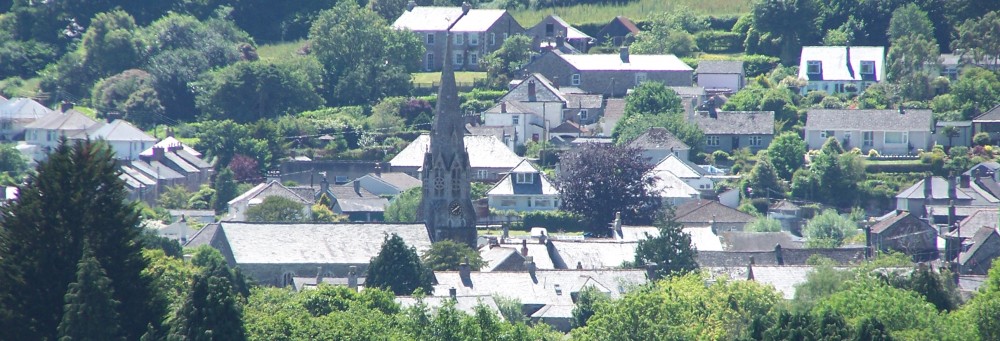


JANUARY 2020


CANNON BALL 

Tim Smith


“Not after midnight, do you hear me Gunter?”

“Yes Herr Kapellmeister, not before midnight,” came the reply.

“NOT AFTER MIDNIGHT, you stupid boy!” bellowed the Kapellmeister.

Man and boy stood on the bastion with the town of Rüsselsheim spread below them, house roofs punctuated by towers, spires, the town hall, castle, palace and the Knight’s Hall.

“You have no intelligence at all. You can’t sing, you have no conversational skills, you don’t listen.  What are you doing here Gunter, what are you doing here?”

Gunter shrugged.  The Kapellmeister, black cloak flapping in the stiff breeze glared down at the boy.

“Listen to me, the cannon is to be fired just a minute before midnight, not after. Before – you understand?”

“How will I know when it’s a minute before midnight?” came the almost inaudible reply.

“YOU WILL KNOW!” the Kapellmeister stabbed the air with his bony finger. “You will know by listening for the Santa Anna clock mechanism starting to wind.  Once that starts you begin your preparations to fire the cannon a minute before midnight. Do you understand? Then once the cannon has fired, the glorious clock will announce midnight and the new year, followed by the wonderful bells. The cannon comes first, then the chimes and then the bells. Have you got that?”

He looked down and shook his head. Almost in despair he said quietly, “Who chose you Gunter?”

“The Bürgermeisterei,” came the reply.

“I should have guessed it. Did they give a reason?”

“That I was big and strong and would do as I was told.  It was a great honour as the Prince is entertaining important guests, and the Kapellmeister would be pleased for someone to help as he has to organise the Mass…”

The Kapellmeister held up his hand, “Did they indeed? Are you sure it wasn’t a case of being in the right place at the right time?”

Gunter shrugged, again.

The Kapellmeister asked whether Gunter knew how to fire the cannon.

“Yes,” came the reply. “You pull the gear stick and ratchet the cannon up so it’s pointing to the stars, apply a flame to the gunpowder hole and bang it fires.”

“You do know that it has to be loaded before firing?”

“Yes, from a pile of balls, one with an eagle stamped on it.”

The Kapellmeister sighed, “Gunter, there are two piles of cannon balls. It is the one nearest you, not the other pile. They must never be touched! They have a different eagle. You must load the cannon with the imperial eagle of Austria not the other, do you understand?”

“Yes, Herr Kapellmeister,” came the reply. “Why?”

“Because,” came the reply, with a sigh, “they are Russian, different eagle, not appropriate to the occasion.”

“Oh.”

“Here is your powder to fire it and the tinder box to strike a light.  Keep them dry.  Just listen for the clock mechanism. Have everything ready. The Prince and the town are relying on you to start everything with a bang. Just do as I have told you. You have an hour to prepare. Don’t let us down!”

The Kapellmeister disappeared through the trapdoor leaving Gunter to gaze over the moonlit town.


The Prince was indeed entertaining important guests. He had arrived home from the Congress in Vienna only a week before, announcing to everyone, including a near hysterical wife, that Tzar Alexander would be calling en-route to Wurttemberg to see his future brother-in-law the king. Everything must be tidy, clean and fresh.  A good impression must be made. It may lead to marriage for their daughter Augusta.  The Princess indicated that the Tzar was already married. The Prince replied, suggesting a Grand Duke.  The Princess looked appalled.  Augusta looked excited.


Tzar Alexander was bored. These petty German states, nothing to do, women like dumplings. This was the back of beyond! They say Wurttemberg was the same, but after that – Paris, wonderful Paris!  The Tzar shrugged, the last reception before leaving. Good – hope it’s not as bad as the greeting when he arrived. They all looked so sour.  Don’t they realise with one flick of my finger… He laughed.  The valet pinned the glittering orders on to his dress uniform.  He was ready.


Gunter woke from his reverie. He thought he heard Santa Anna’s clock mechanism start. He ratcheted the cannon barrel to point skywards. He started to rub the tinder for a flame. It was hard work. Eventually a small spark ignited the dry stuff in the box. It roared into life, flamed for a few moments and then sank away to dullness. Gunter felt in his pocket for straw to help the flame to life again.

“Gunpowder? Forgot the gunpowder,” he thought.

Gunpowder was poured into the powder hole, straw burst into life and started to burn.

“Oh my God, I forgot the cannon ball.” Gunter hopped from foot to foot with sudden nerves.  He released the ratchet gear; the barrel fell back into position with a crash. The flames in the tinder box began to subside. Gunter picked up the box and rammed the contents into powder hole and, with a start, remembered the ball. He bent, and with considerable effort, picked up a ball and pushed it into the mouth of the cannon. He reached for the ratchet gear and began to pull. Nothing happened. He pulled again. Still nothing. He looked down. A corner of his jacket had become entangled with the gear stick. He pulled the jacket – nothing moved he tried again – nothing. There was a sudden swoosh followed by a thunderous roar, a flaming cannon ball shot out of the cannon heading for the Santa Anna bell tower. Gunter screamed a silent scream.

It crashed through the tower aperture, causing the bells to clang with near insanity, and out the other side, narrowly missing the town hall tower and then on to the theatre, crashing through the roof, roaring along  the rope gallery and careering just under the painted ceiling of the auditorium where Apollo, in perpetual pursuit of Daphne, took on a surprised look. Leaving a hole, dead centre of the serene prince’s coat of arms, it crashed out of the front of the theatre, crossed the square and roared over the roof of the palace, knocking carved urns and stonework onto the cobbles below.

“‘Tis the Devil’s fire!” wailed an old lady.

“GUNTER!” screamed the Kapellmeister, transfixed to his organ. “GUNTER, I’ll kill you!”

Gunter, minus his jacket, was already down the bastion steps and heading along the street towards the town gate. Out into the countryside and to the home farm in the mountains.


The cannon ball, oblivious of all human emotion, roared on, over the palace and towards the Knight’s Hall. A splendid, late medieval hall built to commemorate a fabled visit by Charlemagne hence the superb set of stained-glass windows. It had certainly hosted entertainments for Marie Theresa, Holy Roman Empress, and a more subdued reception for Napoleon, whose army was passing through. The French emperor had taken a fancy to the silver, hence, at vast cost, new silver graced the tables.

The hall was splendidly lit. Candles glowed everywhere. In a room beyond the hall, unbelievable amounts of food were piled high. Tables were thronged by the guests eating with gusto. Music filled the hall played by an orchestra imported from Vienna. A new dance, the waltz, a sudden rage all over Europe, was danced in the principality for the first time. Not everyone seemed that impressed. The Burgermeister muttered that it may be good for peasants, but for persons for of quality? He had his doubts.

The Tzar was enjoying himself. A waltz with Augusta had been energetic. He led her back to the dais and turned. There was a multicoloured flash and crash of glass and the cannon ball dropped though the window and plunged to the floor. A wave of cold air blew most of the candles out except on the dais. The music stopped, guests gasped and scattered, the vibration from the cannon ball landing preceded the rolling ball and made the furniture dance and the china and glass chatter. Champagne corks popped in unison with one another. Alcoholic fountains spread over the white linen. The ball rolled towards the dais.

The Prince stood ramrod stiff, his face ashen. He turned to the Tzar. The Tzar looked on. The ball rolled towards him and as the Tzar looked down it stopped just an inch from his white kid toe. There was a moments silence.

“How wonderful! What a splendid New Year’s gift! You must present your munitions engineer! How clever, how original, how wonderful and look, a Russian eagle on the ball! Return to sender, eh Prince?” The Tzar roared with laughter and delight, clapping the somewhat stupefied Prince on the back. Merriment returned to the hall, candles were relit, music resumed, the buzz of voices and in the distance the chaotic chimes of Santa Anna welcoming in the new year.


NOT AFTER MIDNIGHT

Ronnie Puttock


“When are we going to meet Sam?” Sean’s mother asked as he was about to go out.

“I don’t think we’re ready for that yet, mum. I’ve only just met her,” he replied.

“Well, whatever feels right for you,” she said. “I only want you to be happy.” And, brushing imaginary hairs off the shoulder of his jacket, she added, “Make sure you’re home before midnight, won’t you? I don’t like you staying out late.”

“Yes, mum,” he sighed, “I’ll be back by then. Don’t worry about me, I can look after myself.”

Wiping away his mother’s kiss on his cheek, Sean went out of the door.


*


Sam was already in the classroom when he arrived. She was working on a pencil drawing, copying a magazine photo of a ninety-seven year old woman.

“Hi, there,” he said as he sat down beside her. He looked at her drawing,

“Wow! That’s brilliant. I love the way you’ve teased out the lines around her mouth and captured that sad and weary look in her eyes. I wish I had your talent, Sam.”

“Oh, but you have talent too, Sean. Just look at your drawing of the trees and rocks by a river; it’s beautiful.”

“Yeah, it may be good technically but it’s lacking something. There’s no life or atmosphere like there is in your woman.”

They were into the fourth week of a six-week art course. They were both studying for an art ‘A’ level and had decided to take this extra tuition. They didn’t know each other before the course, but, being the youngest in the class, they naturally gravitated towards each other. For the first two weeks they talked superficially about themselves; where they lived; what school they went to; what artists they liked; that sort of thing. Then on the third week, Sean asked her out. There was a film he wanted to see and would she like to come with him? They went and as they were walking back to Sean’s car (he said it was his father’s), he tentatively touched her hand and let it linger there for several moments. She didn’t reject the touch and so, his hand slid easily into hers.

“Let’s go the long way round and walk through the churchyard,” Sam said, pulling him across the road towards the church gates.

“No!” he said brusquely and stopped in his tracks. “Let’s keep to the road.”

“What’s the matter, Sean? You scared of what I may do to you in there?” she laughed.

“No, Sam. I’m not scared but churches give me the creeps. I don’t know what, but there’s something about them.” And he shuddered involuntarily.

“Well, OK,” said Sam, somewhat taken aback. “We’ll leave the ghoulies and ghosties in peace.”

Sean drove her home.

“Aren’t you going to invite me in?” he said with a mischievous grin.

“What, on our first date! What kind of girl do you think I am?” she said, laughing. “Anyway, my mum and dad will still be up.”

With that, she thanked him for a nice evening, gave him a quick peck on the cheek and got out of the car.


*

Now, during breaktime, on this fourth week of the course, Sean apologised for his behaviour the previous week. But Sam said,

“You don’t need to apologise again, Sean, you’ve already messaged me several times in the past week to say you’re sorry. We all have our quirks and phobias. Mine is spiders. Hate them! Anyway, when we’ve finished tonight, I’m going to treat you to something to eat.”

Later that evening, they walked hand in hand along the high street and stopped outside a pizza restaurant and Sam said,

“Shall we go in here and I’ll buy you a pizza?”

Sean didn’t move.

“What, don’t you like pizza?” asked Sam.

“Yes, I do,” Sean said, “but only if there’s no garlic. Garlic doesn’t agree with me, I’m afraid.”

“Oh dear, what a shame. I love pizzas. How about fish and chips or burgers?”

“They’re OK. I can eat them. Look, there’s a burger place over the road. Shall we go there?”

She insisted on paying and there was more than a peck on the cheek in the car before she went indoors.


*


Early the following week, Sam and her best friend, Kelly, were walking home from school.

“Tell me all about him,” Kelly demanded eagerly.

“But I’ve already told you, umpteen times, Kel,” giggled Sam.

“I know. But tell me again. It’s exciting.”

“Well, he’s just turned eighteen; he’s about six feet tall.”

“Ooh! That’s nice,” enthused Kelly.

“He has gorgeous blue eyes and jet black hair and his skin is very pale but so smooth.”
“That must be the Irish in him. They have very pale complexions,” commented Kelly.

“I’ve never thought of that before,” said Sam. “With a name like Sean Callaghan, you’re probably right.”

“Tell me more,” urged Kelly.

“What else? He lives in Haddow Hill.”

“Ooh! That’s posh,” interrupted Kelly. “Where abouts?”

“He’s never said,” continued Sam, “but he goes to St. Dominic’s.”

“St. Dom’s is where my brother’s friend, Loz, goes. I’ll get him to find out if he knows him. Anything else? What does he kiss like!”

“I’ve told you all this before, Kel,”

“Tell me again, Sam.”

“He’s got a beautiful smile, perfect teeth and kisses like a dream.”
Kelly screamed with delight and hugged her friend.

“You must bring him to the party on Saturday.”

“I’ll ask him when I see him at class on Wednesday,” Sam said. “I hope he’ll come.


*


“Isn’t he just the most beautiful man you’ve ever seen?” Sam shouted into Kelly’s ear in order to be heard above the party din.

“You’re going to have your hands full, girl, keeping all of us women away from him,” Kelly shouted back. “Pity he had to leave so soon.”

“Yeah, he said he had to be home by twelve because his dad works nights and his mum doesn’t like being alone in the house. She’s disabled, or something.”

They moved into the kitchen where it was quieter and Kelly said,

“Oh, by the way, Sam, I spoke to Loz, you know, my brother’s friend, and he says he doesn’t know anyone by Sean’s name at St. Dom’s. Seems odd that.”

“Well, it is a big school,” said Sam, rather defensively, “and I’m sure Loz doesn’t know everyone. I’m sure there’s an explanation.”


*


The next day, Sam was messaging Sean.

“It’s such a lovely sunny day, why don’t we meet up and go for a walk?”

“I’m sorry, Sam. I can’t do. Mum needs looking after.”

“What about your dad? Isn’t he at home?”

“Yes, but he’s asleep. You know he works nights.”

“OK, I understand. A pity though. I’d love to go for a walk with you.”

“Me too. Maybe another day.”

“Does your dad always work nights?”

“Not always.”

“So, when he’s not, we can see each other can’t we?”

“Maybe. We’ll see. Gotta go now. Mum wants me. Love you. XX”

He had signed off but Sam left him one more message asking him to phone her when he could as there was something she wanted to talk about that was bothering her and, anyway, she loved hearing his voice.

He phoned that evening.

“What’s bothering you, Sam?”

“I’m probably being silly,” Sam began, “but you know you said you went to St. Dominic’s?”

“Yes.”

“Well, Kelly’s brother’s friend goes there and says he doesn’t know anyone by your name there.”

“What’s his name?” asked Sean.

“Loz Clements,” Sam replied.

“That name doesn’t ring a bell. But then I only started there this term. I’m sure I told you that we moved here just a couple of months ago. So, I’m a new boy and not many will know me yet. That’s probably why this person’s never heard of me.”

“Yeah, that makes sense. I suppose,” said Sam. “I just thought that maybe you and Loz knew each other, being in the same year and all. I hope you don’t think I was checking up on you.”

“No, of course not; I’d probably do the same. Find out if we have mutual friends and stuff.”

“Yeah. Like I said, it makes sense what you say,” said Sam. “Anyway, I’m looking forward to seeing you again on Wednesday. It’s our last class, too.

“I’m looking forward to seeing you, too,” said Sean. “We’ll have to think of something else to do on Wednesday nights. Goodbye till then. Thinking of you.”

He hung up.

Sam felt troubled. Something didn’t feel quite right, despite Sean’s explanation. She decided to Google his name to see what came up. She found Sean Callaghan was a fairly common name, but on the fourth page something caught her attention. There was a link to a local Northern Ireland newspaper article. It appears that earlier that year in a rural part of the province, a young man, aged eighteen, had gone missing. Friends said that he’d left a party sometime after midnight, saying that he was going home. He never arrived and nothing had been heard from him since and no body had been found. What really made Sam sit up was that his name was Sean Callaghan.


*


“Oh my God!” cried Kelly, after Sam had told her. “That’s really spooky.”

She and Sam were chatting during break at school the following day.

“I don’t know what to do, Kel,” Sam said. “I like him a lot, but there’s so much that seems odd. Really odd.”

“I didn’t want to say anything before, but I agree with you. When you put together all he’s said and done, and not done and now this, are you thinking what I’m thinking?”

“I am, Kel and it scares the Hell out of me. But I have to do something about it, don’t I?”

Kelly squeezed Sam’s hands and said,

“Yes. But be careful, though.”


*


Sean kissed his mother and said,

“I’m going to bring Sam home tonight, mum. It’s our last class and I feel the time’s right for us to be together.”

“I’m so glad, son. I’ll get the place ready for you both.”

“Thanks mum. We’ll see you later.”


*


As they left the class for the last time, Sean took Sam’s hand and said,

“You’re very quiet tonight. Is there anything wrong?”

“No,” Sam replied. “I’m sorry but I’m not feeling my best today.”

“Are you ill?”

“Oh no, nothing like that. It’s, um, er, you know…” She tailed off but placed her free hand on her stomach.

“Oh, right. I see,” said Sean. “In that case shall I take you straight home?”

“No, you don’t need to do that. It’s our last class and I thought we could do something a bit different this time. It’ll make me feel better, too.”

“Good. What shall we do then?” he said with a playful leer.

“Well, we can’t do that, obviously,” laughed Sam, “but I have the feeling that things are right for us now.”

“That’s funny,” said Sean, “I was saying exactly the same thing to my mum this evening.”

They spent some time in the pub and then took the car to a secluded spot where they could look down on the town and gaze up at the full moon.

They got out of the car and sat on a bench. The view and the moon did not hold their attention for long. Soon all their attention was centred on themselves. Arms round each other, stroking and caressing, mouths together in long passionate kisses.

Then, all of a sudden, she broke away and cried,

“My God, Sean, it must be getting on for twelve. We must be going!”

He pulled her back and whispered,

“We’ve got all the time in the world, Sam, my dad’s not working tonight.”

“Mmm, that’s good,” Sam said, snuggling up closer to him. “Let’s go back to the car; it’s getting a bit chilly now.”

They walked back to the car and Sam said,

“Let’s get in the back,” and she got in, moving the bag with her art things off the seat and onto the floor. Sean got in the other side and immediately leaned his body towards her. After some rather inept fumblings she had to undo her bra for him and while he was exploring her, she started to unbutton his shirt. Even in the poor light she marvelled at how pale he was, unearthly so, she thought. They helped each other remove their clothes and then an alarm went off.

“Oh damn!” cursed Sam. “It’s my phone. I’d forgotten I’d set it for midnight.”

She pushed him off and reached into her bag to turn it off, but all the while looking at him.

“I’m taking you home tonight,” he said in a voice she not heard him use before. It was as malevolent as it was lascivious. He smiled, or, rather, he parted his lips and there, in full view, were what she had expected to see; the teeth of a vampire. He brushed the hair off her shoulder and bent forward but before he could give her the kiss, she whipped her hand out of her bag and thrust her 5H pencil into his chest.


*


“I was kind of expecting something more dramatic,” Sam told Kelly on the phone after she got home. “Maybe him screaming or an explosion of some kind. But it was such a pathetic noise. I can’t really describe it. It wasn’t a bang and it wasn’t a hiss. It was a sort of combination of the two. A cross between a baby clapping its hands and a quiet fart.”

Kelly laughed and then said,

“Are you sure you’re OK, Sam? You can always come over and stay, I’m sure mum and dad won’t mind.”

“I’m OK now, Kel. A bit wobbly at first. The worst part was this awful ashy stuff all over me. I was so glad to get home and have a good long shower, I just hope mum doesn’t ask about the dirty marks on my clothes. But what’s bothering me now is, what the Hell am I going to do with Sean’s car?”